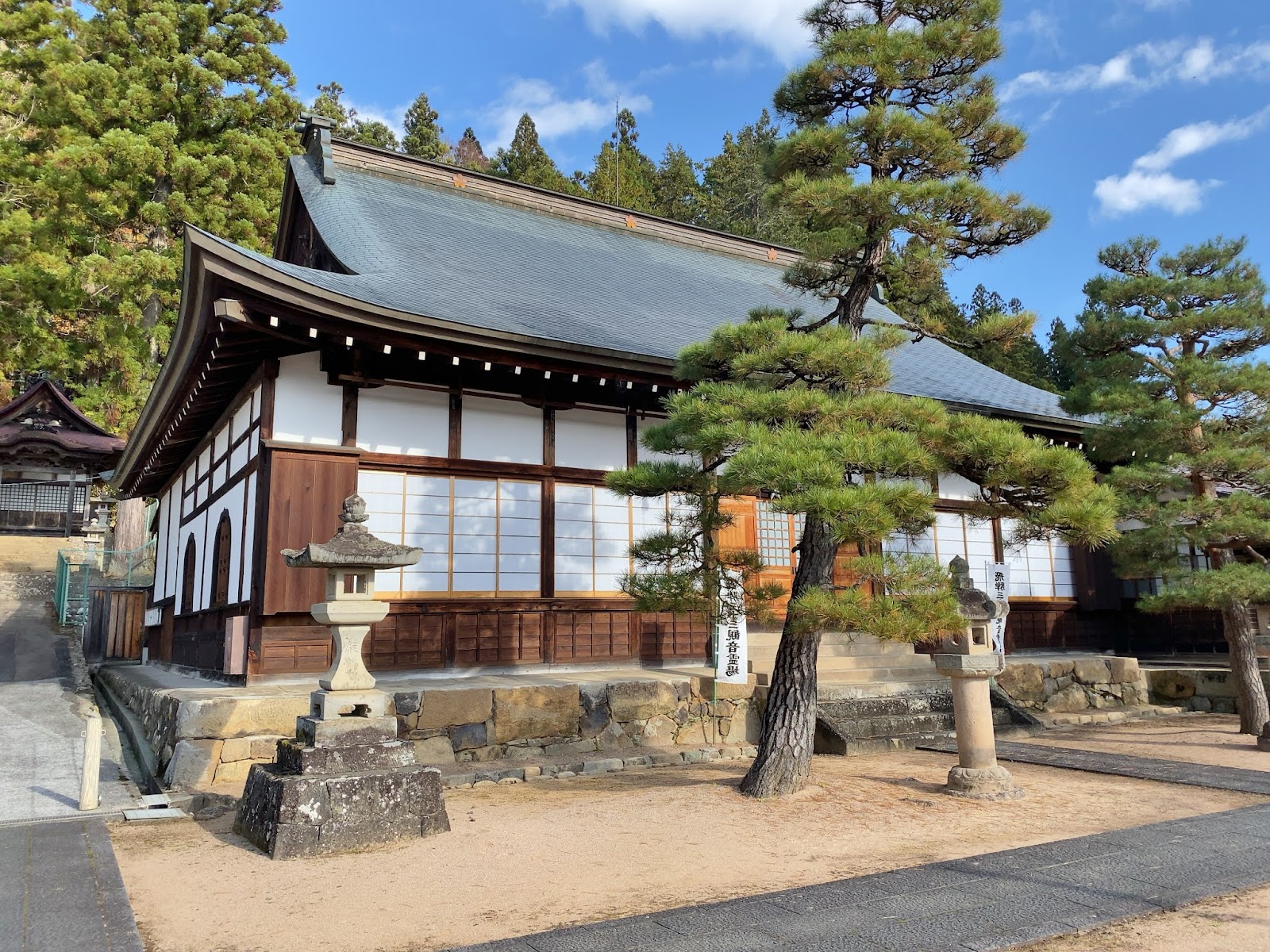
A Higashiyama Zen temple famous for its towering belfry gate salvaged from Takayama Castle and a venerable weeping cherry.
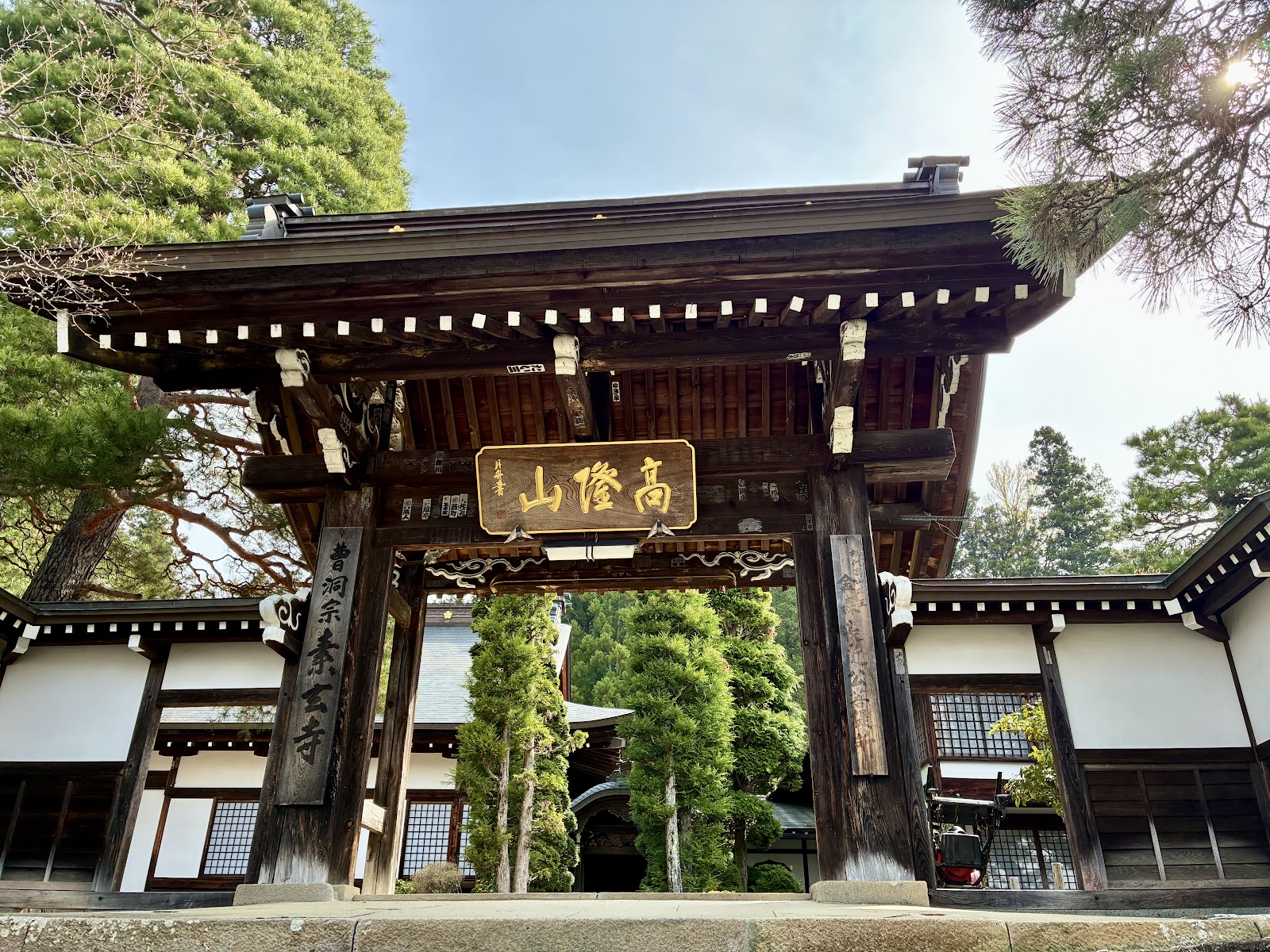
Unryū-ji is one of the standout temples on Takayama's Higashiyama Walking Course, and it is easy to spot: its scale and, above all, its imposing two-story bell-tower gate (shōrō-mon) set it apart from its neighbors. That gate is the temple's treasure and its history lesson. When Takayama Castle was dismantled after the Kanamori lords left and the shogunate took direct control of Hida, pieces of the fortress were dispersed to temples around the town; Unryū-ji's great belfry gate was relocated here from the castle, making it one of the very few tangible survivors of a stronghold that otherwise vanished almost without trace. Standing beneath it, you are looking at genuine castle architecture in a temple setting.
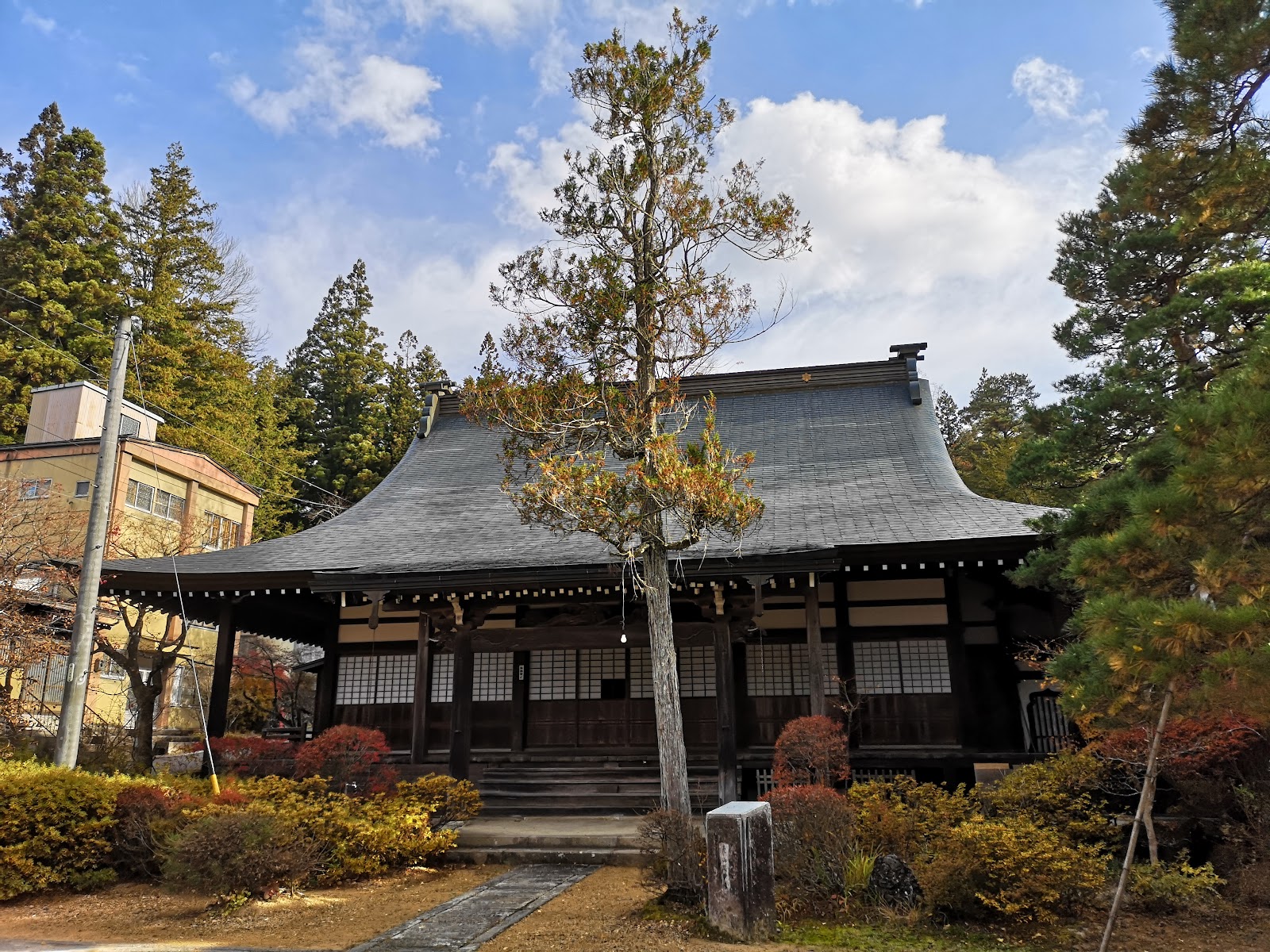
The temple is a Zen foundation and, like much of Higashiyama, is wrapped in old cedars on the lower slope of the eastern hills. Its second celebrated feature is a magnificent weeping cherry tree (shidarezakura). For a brief window in early April the tree erupts in cascading pale blossom beside the dark timbers of the gate, and photographers gather at dawn to catch it before the light hardens — it is one of the finest cherry scenes in the city and the reason many walkers time the Higashiyama route for spring.
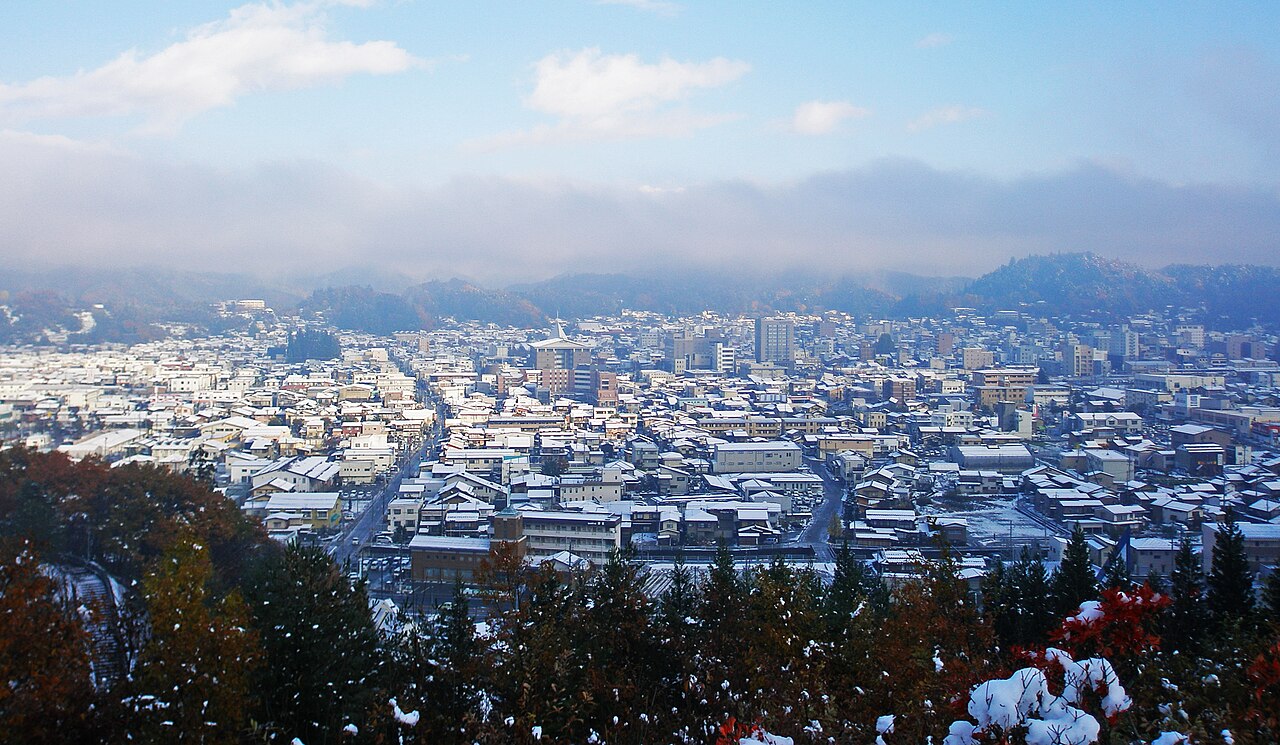
Higashiyama itself is the context that makes Unryū-ji meaningful. When Kanamori Nagachika built his castle town at the end of the 16th century, he gathered temples and shrines onto the wooded eastern hills to form a Teramachi (temple district) that served as both a spiritual quarter and a defensive buffer. The result is a string of more than a dozen temples and shrines linked today by a quiet, well-marked promenade of roughly three and a half kilometers — the Higashiyama Walking Course — that lets visitors trade the busy old-town streets for mossy stone steps, cemeteries under tall trees, and almost no crowds. Unryū-ji anchors the northern part of that route.
The temple grounds are free to enter and quiet to visit; 20 to 25 minutes is enough to admire the gate, find the weeping cherry, and soak up the hushed atmosphere before moving on along the trail. Because it lies on the walking course rather than in the town center, it rewards travelers willing to venture a little further on foot — the payoff is a genuinely peaceful, local-feeling side of Takayama.
Spring is the temple's signature moment for the cherry, and autumn brings warm maple color to the hillside, but the setting is atmospheric in any season, including under the deep snow of a Hida winter. To reach it, walk about 22 minutes east from Takayama Station toward the hills, or join the Higashiyama Walking Course and let it lead you here between neighboring temples. Combine Unryū-ji with Higashiyama Hakusan Shrine, Tenshō-ji, and Sōyū-ji for a rewarding half-day loop that ends, if you continue south and west, at Shiroyama Park and the castle ruins.
A local's tip
The two-story belfry gate isn't original to the temple — it was moved here from Takayama Castle, making it one of the few surviving pieces of the lost fortress.
Best time to visit
Early April, when the ancient weeping cherry blooms
Getting there
About a 22-minute walk east of JR Takayama Station into the Higashiyama district; it sits on the northern end of the Higashiyama Walking Course.
Good to know
- Parking
- Restrooms
Plan the whole trip offline
Unryu-ji Temple is one of many places in the Real Japan app — with turn-by-turn directions, nearby spots and full offline maps you can use with no signal.