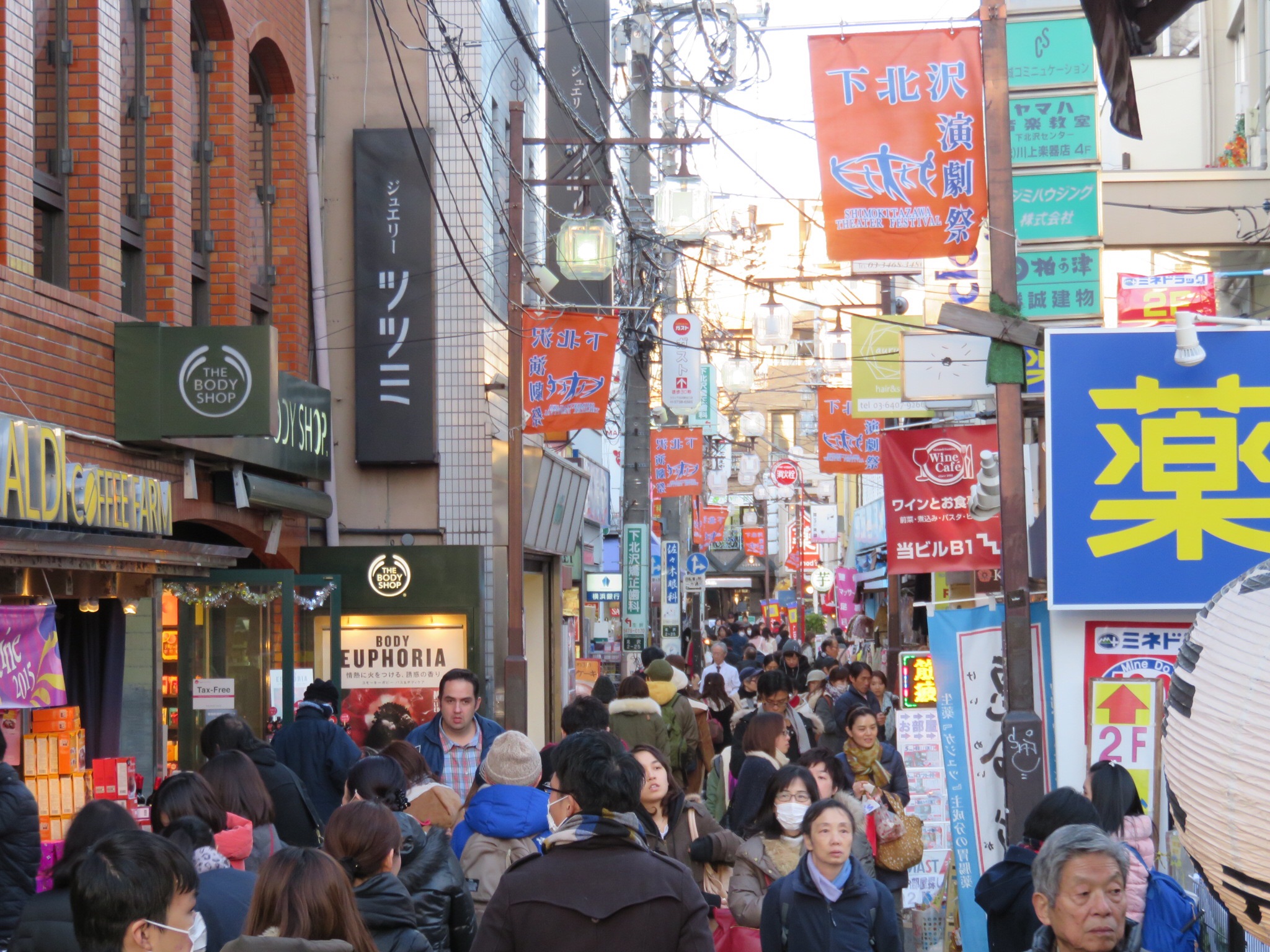
A bohemian warren of vintage shops, indie cafes, live houses and tiny theatres, the antidote to corporate Tokyo.
Shimokitazawa, affectionately shortened to 'Shimokita', is Tokyo's bohemian heart, a low-rise, tangled neighbourhood of narrow lanes that has long been the city's counter-cultural counterweight to the polish of Ginza or the scale of Shinjuku. Just a few minutes by train from Shibuya, it feels a world away: no skyscrapers, no wide boulevards, just a walkable maze of second-hand clothing shops, independent cafes, record stores, tiny theatres, and grassroots live-music venues.
The district built its identity in the post-war decades as a hub for theatre and music. It remains dense with small 'live houses' where up-and-coming bands play to a few dozen fans, and with intimate fringe theatres that give it a genuine claim as a cradle of Tokyo's independent performing arts. That creative, DIY spirit permeates everything, and it is why Shimokitazawa draws students, artists, musicians, and anyone allergic to the corporate mainstream.
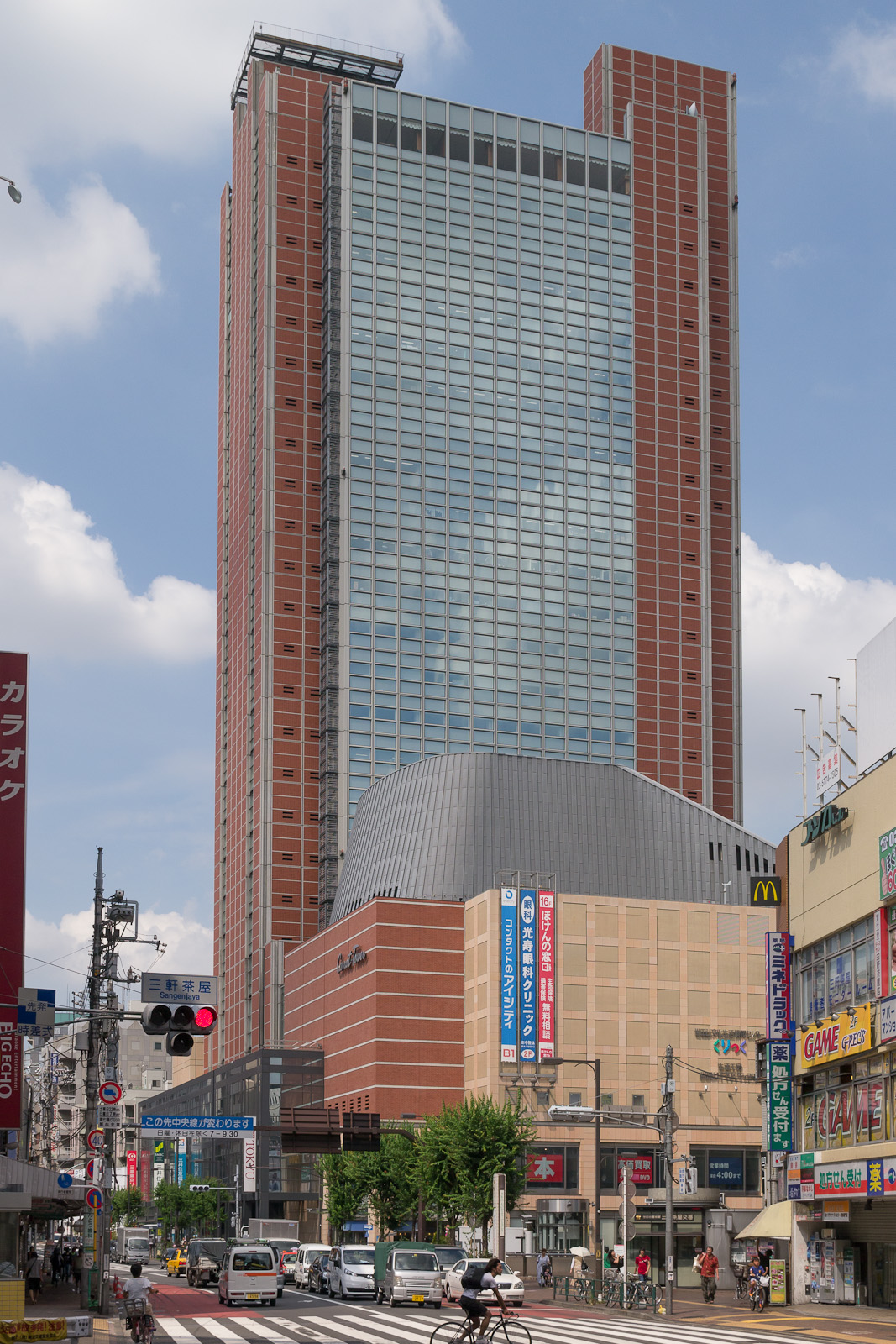
Above all, Shimokita is celebrated as the best place in Tokyo to hunt for vintage and second-hand clothing. Dozens of 'furugi' shops, ranging from carefully curated boutiques to cavernous jumble-sale-style stores, line its lanes, and dedicated shoppers can happily lose an entire day rummaging for retro Americana, designer cast-offs, and one-of-a-kind pieces. Interspersed among them are quirky cafes, specialty coffee roasters, curry joints, craft-beer bars, and izakaya, so browsing is punctuated naturally by places to rest and eat. In recent years, tasteful new developments around the station, including open-air deck spaces and low-key modern complexes, have added polish without erasing the neighbourhood's scrappy charm.
A highlight is simply the atmosphere of aimless discovery. Shimokitazawa has no single must-see landmark; the district itself is the attraction. Its pleasure lies in turning down an unmarked alley to find a record shop, a plant-filled coffee stand, or a hole-in-the-wall theatre, and in the relaxed, unhurried crowd that gives the place its village-like warmth. It is one of the few parts of central Tokyo that feels genuinely lived-in and local.
Accessibility is good: the area is flat and compact, and the shopping lanes begin the moment you step out of the station. Note, however, that many streets are very narrow and pedestrian-dense, and the smallest vintage shops can be cramped. There is no admission to the district, and browsing costs nothing.
The best time to visit is a weekend afternoon, when the shops are all open and the cafes and streets hum with their liveliest energy, though a weekday offers a mellower, less crowded browse. Evenings bring the live houses and bars to life for those who want to hear music.
Getting there is quick. Shimokitazawa sits on the Keio Inokashira Line, just a few minutes from Shibuya, and on the Odakyu Odawara Line from Shinjuku, so it is an easy short hop from two of the city's biggest hubs. Both lines are private railways rather than JR, so a Japan Rail Pass does not cover the journey.
A local's tip
This is Tokyo's best district for second-hand clothing; dedicate an afternoon to the vintage shops, and note that many are tiny and cash-preferred, so carry some yen.
Best time to visit
Weekend afternoon for the full vintage-and-cafe buzz
Getting there
Shimokitazawa is a few minutes from Shibuya on the Keio Inokashira Line, or from Shinjuku on the Odakyu Line. The shopping lanes begin right outside the station exits.
Good to know
- Wi-Fi
- Cashless
- Restrooms
Plan the whole trip offline
Shimokitazawa is one of many places in the Real Japan app — with turn-by-turn directions, nearby spots and full offline maps you can use with no signal.