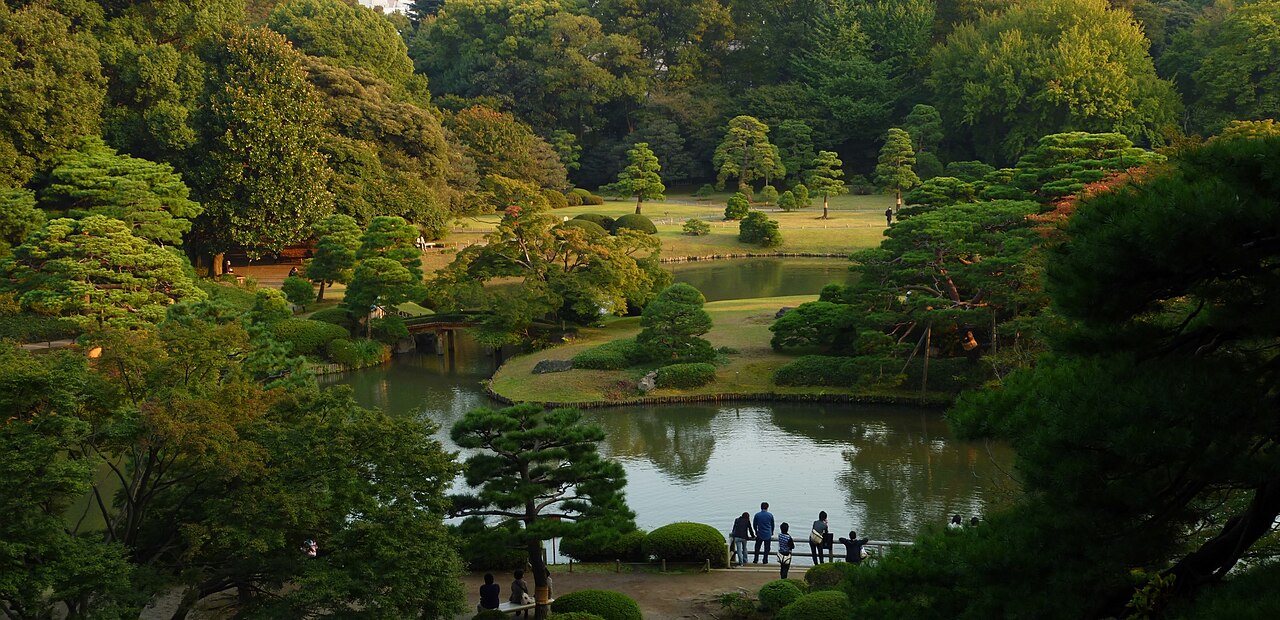
A serene Edo-era daimyo strolling garden famous for its weeping cherry and dazzling autumn illuminations.
Rikugi-en is widely regarded as one of Tokyo's two most beautiful traditional landscape gardens, a masterpiece of the Edo period hidden a short walk from the bustle of Komagome. Its name means "garden of the six principles," a reference to the six elements of classical waka poetry, and the entire design is conceived as a three-dimensional poem: eighty-eight miniature scenes recreate famous landscapes celebrated in Japanese and Chinese verse.
The garden was built between 1695 and 1702 by Yanagisawa Yoshiyasu, a trusted chamberlain of the fifth Tokugawa shogun, who was granted the land by the shogun himself. After falling into neglect following Yanagisawa's death, it was rescued in 1878 by Iwasaki Yataro, the founder of the Mitsubishi conglomerate, who restored it as a private retreat. In 1938 the Iwasaki family donated it to the City of Tokyo, and in 1953 it was designated a Special Place of Scenic Beauty, the nation's highest garden honour.
The heart of the garden is a large central pond dotted with islands and ringed by gently rolling, forested hills. A network of winding paths leads past stone bridges, a recreated hill named Fujishiro-toge, and rustic teahouses where visitors can pause over a bowl of matcha and a seasonal sweet. Because the garden was designed to be walked rather than simply viewed, every few steps reveals a new composition, and the borrowed scenery of surrounding trees screens out the modern city almost entirely.
Rikugi-en shifts dramatically with the seasons. In late March a single enormous weeping cherry near the entrance erupts into a cascade of pale pink blossom and becomes one of Tokyo's most photographed trees. In late November and early December the maples turn brilliant crimson and gold, and the garden stays open into the evening for illuminations that reflect the fiery canopy in the still black water of the pond—an experience many visitors rank among the most magical in the capital.
The visiting experience is calm and unhurried; even at busy times the scale of the grounds absorbs the crowds. Paths are mostly flat gravel with a few gentle slopes, making much of the garden accessible, though some hillside routes involve steps. Restrooms and a small rest house sit near the entrance, and English signage explains the poetic scenes.
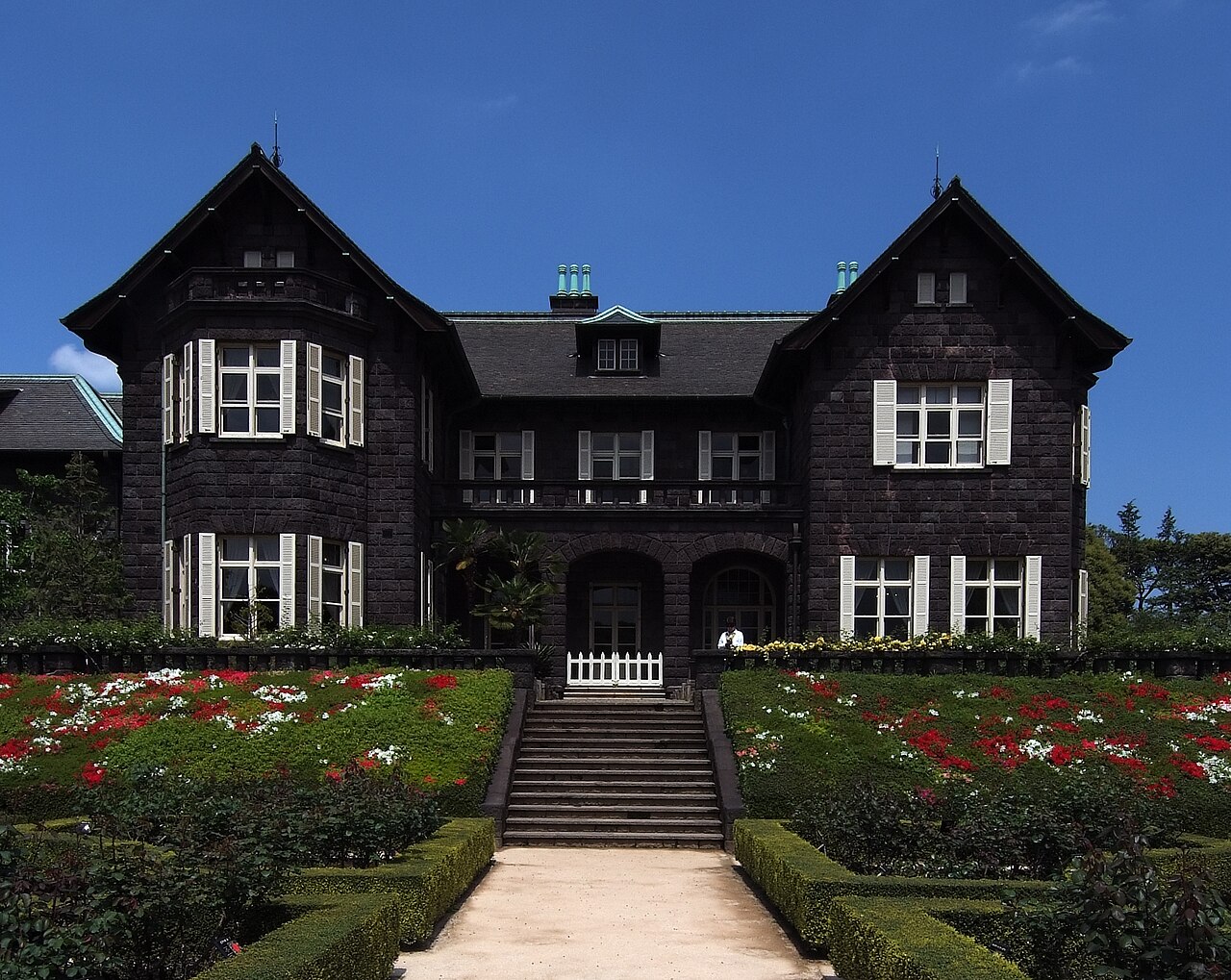
The best time to visit is early on a weekday morning for tranquillity, or at dusk during the spring and autumn light-up seasons for spectacle. To get there, take the JR Yamanote Line or Tokyo Metro Namboku Line to Komagome Station, leave by the south exit, and walk about seven minutes south to the main gate. It pairs naturally with a stroll to nearby Kyu-Furukawa Gardens, making an easy half-day of classic Tokyo garden-hopping.
A local's tip
Come for the evening autumn light-up and head straight to the giant weeping cherry near the entrance, then loop the pond counter-clockwise to reach the illuminated maples at Tsutsuji-no-chaya before the crowds pool there.
Best time to visit
Late November for autumn illuminations; late March for weeping cherry
Getting there
From Komagome Station (JR Yamanote Line or Tokyo Metro Namboku Line), take the south exit and walk about 7 minutes south. The main gate is signposted; a quieter side gate near Komagome is used during peak illumination periods.
Good to know
- Restrooms
- Tea house
- Wheelchair
Plan the whole trip offline
Rikugi-en Garden is one of many places in the Real Japan app — with turn-by-turn directions, nearby spots and full offline maps you can use with no signal.