A serene walled Japanese garden in Hakata built around a pond and a restored Meiji-era merchant's tea house.
Rakusuien is a small, walled oasis of traditional beauty hidden in the busy Hakata district, a place designed to make the surrounding city disappear. The garden is a classic chisen-kaiyushiki, a pond-stroll garden, arranged so that a single winding path reveals the scenery in a carefully staged sequence: cross a bridge, round a clipped shrub, and a new composition of water, stone and greenery opens before you. Though it covers only a modest plot, its scale is judged so well that it feels far larger and quieter than it is.
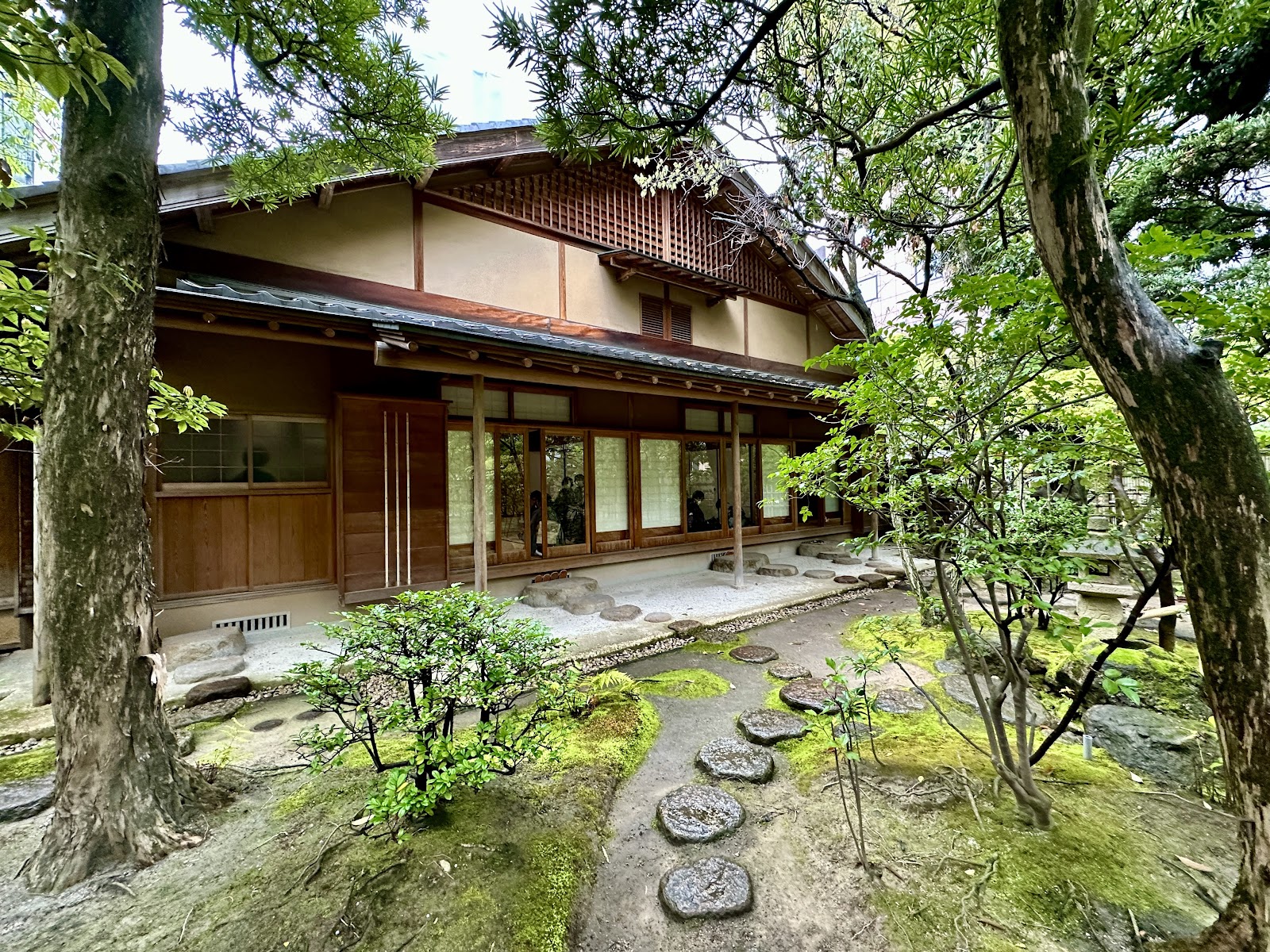
The garden takes its character from a restored teahouse that stands at its centre. The building originally belonged to a wealthy Hakata merchant named Shimozono Yoshimatsu and dates from the Meiji period; it was moved and preserved here, and its tatami rooms open directly onto views of the pond. A tea ceremony room recreates the refined atmosphere of that era, and visitors can take part in a formal matcha service or simply sit with a bowl of green tea and a seasonal sweet while looking out over the water. One of the garden's distinctive features is its use of hakata-bei, old rammed-earth walls patched with reclaimed roof tiles and stones, a traditional Hakata building style that lends texture and a sense of age.
The planting is chosen to mark the turning of the year rather than to overwhelm in any single season. Spring brings fresh green and camellias; summer deepens the shade of the maples over the pond; and autumn is the garden's quiet showpiece, when the maple leaves flush red and gold and mirror in the still water. Carp drift beneath the surface, and a small waterfall keeps the pond fed and the air cool. Because it is enclosed and compact, Rakusuien rewards slow, mindful looking more than brisk sightseeing.
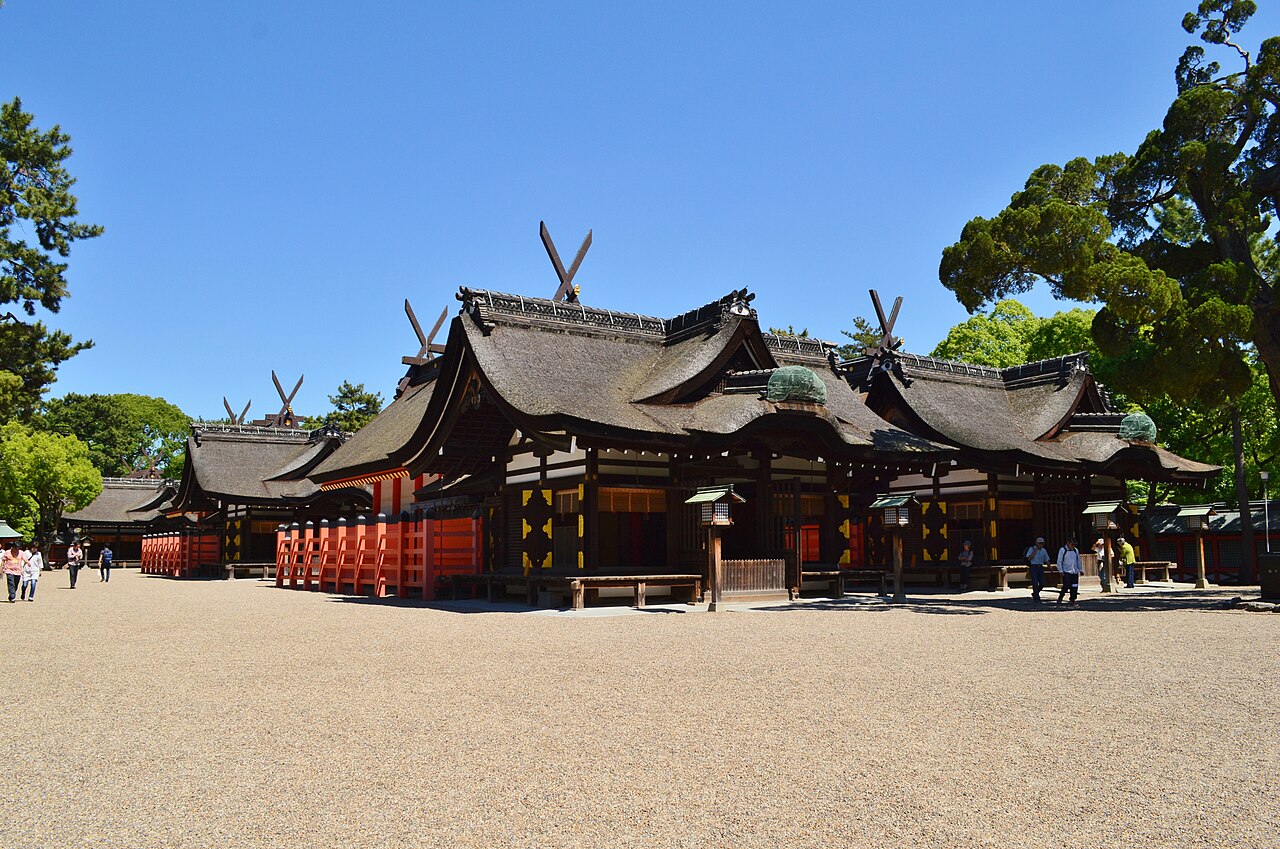
This is one of Fukuoka's genuine hidden gems. Admission costs only about one hundred yen, yet the garden sees a fraction of the crowds that fill the city's larger parks, and on a weekday morning you may have it almost to yourself. It pairs beautifully with the neighbouring Sumiyoshi Shrine, one of the oldest Sumiyoshi shrines in Japan, which stands just to the south, so the two can be seen together in an unhurried hour. The nearby Canal City shopping complex and the temple district of central Hakata are also within easy walking distance.
Rakusuien is closed on Mondays (or the following day when Monday is a public holiday) and keeps daytime hours from nine to five. The nearest station is Gion on the Kuko subway line, about a nine-minute walk, and Hakata Station itself is only a little further on foot. For travellers changing trains at Hakata with an hour to spare, or anyone seeking a pocket of calm amid the city, Rakusuien offers an authentic taste of a traditional Japanese garden without the ticket price or the crowds of the famous gardens further afield.
A local's tip
For a few hundred yen extra you can take part in a tea ceremony in the restored teahouse; even if you skip it, ask for matcha and a sweet to enjoy overlooking the pond.
Best time to visit
Autumn for the maples; any weekday morning for solitude
Getting there
From Gion Station on the Kuko subway line walk about nine minutes south toward Sumiyoshi; the garden sits just north of Sumiyoshi Shrine in the Hakata district.
Good to know
- Restrooms
- Tea house
- Gift corner
Plan the whole trip offline
Rakusuien Garden is one of many places in the Real Japan app — with turn-by-turn directions, nearby spots and full offline maps you can use with no signal.