A cherry-lined canal walk through Kyoto's eastern hills, linking Ginkaku-ji and Nanzen-ji.
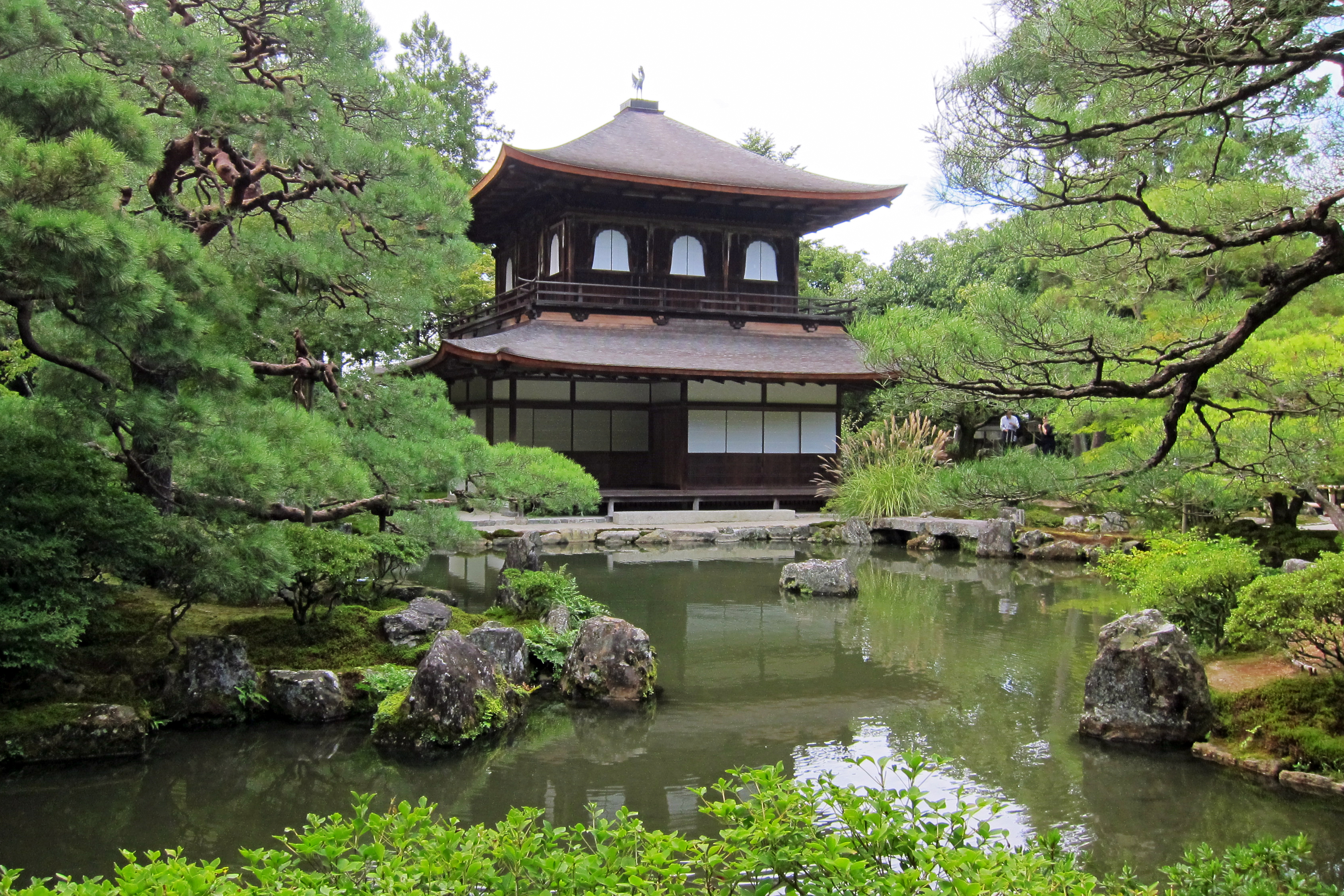
The Philosopher's Path (Tetsugaku-no-michi) is one of Kyoto's most beloved strolls: a roughly two-kilometre stone footpath that traces a slender, cherry-lined canal along the base of the eastern Higashiyama hills. It runs between the Silver Pavilion, Ginkaku-ji, at its northern end and the great gate of Nanzen-ji to the south, stitching together a string of quieter temples, shrines and craft shops along the way.
The canal itself is a branch of the Lake Biwa Canal, an ambitious Meiji-era waterway completed in 1890 that carried water and hydroelectric power over the mountains into Kyoto. The gentle irrigation channel beside the path is part of that same system. The walk earned its name in the early twentieth century, when the influential Kyoto University philosopher Nishida Kitaro, along with his colleague Hajime Tanabe, is said to have used the route for daily meditative walks, turning ideas over in his mind step by step.
Spring is the path's headline season. Hundreds of Somei-Yoshino cherry trees, reportedly planted with the help of the painter Kansetsu Hashimoto, arch over the water and, at peak bloom in early April, form a pale pink tunnel with petals drifting down onto the canal. Autumn is quieter but no less lovely, when maples along the slope turn deep red and gold. Even in summer and winter the walk has a contemplative calm, with the sound of running water, resident herons and the occasional cat sunning itself on a wall.
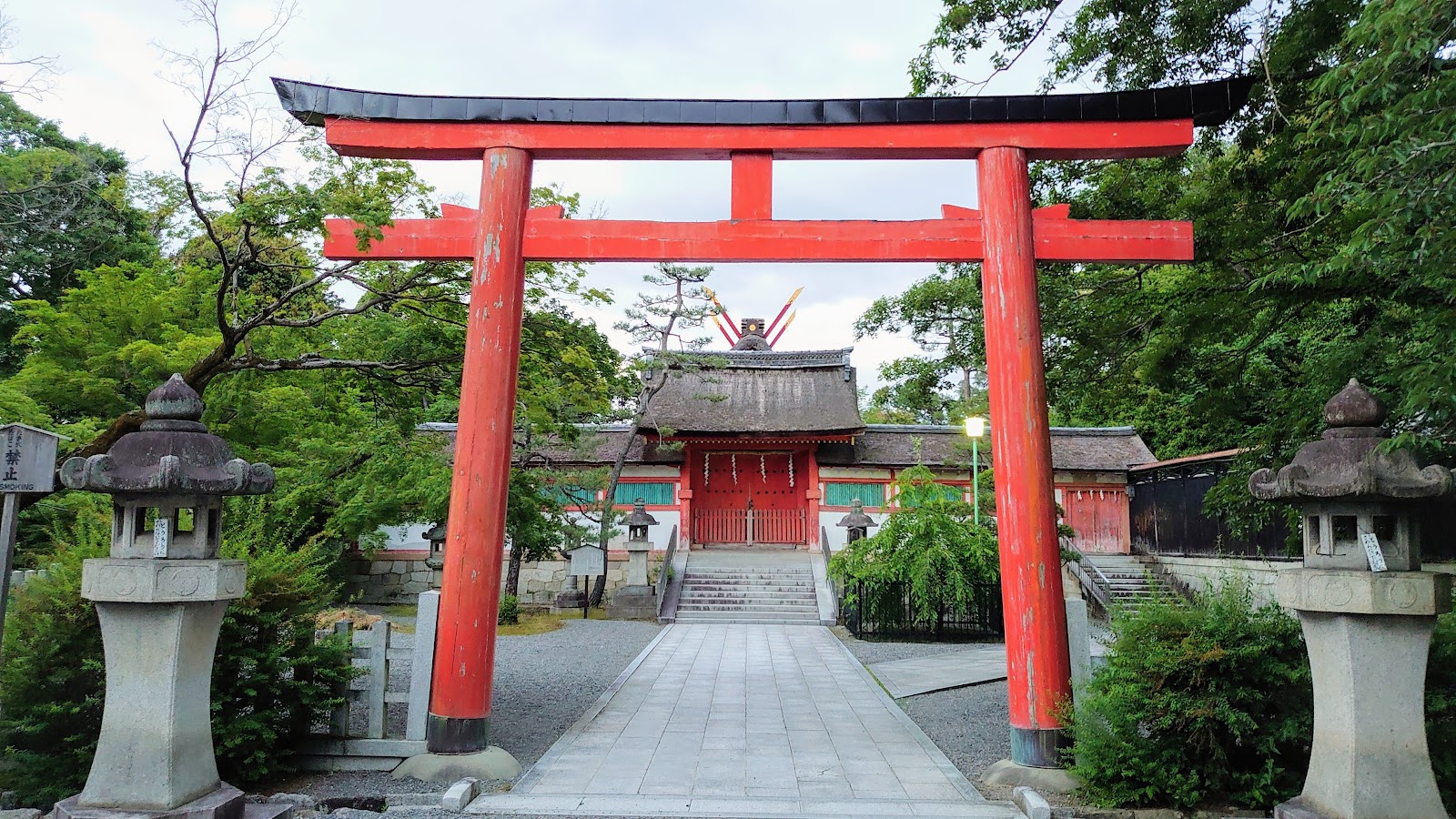
Because it is a public path rather than a fenced attraction, the Philosopher's Path is free and open at all hours, though it is best enjoyed in daylight. Small detours reward the curious: Honen-in with its thatched gate and mossy approach, the fox-guarded Otoyo Shrine, and Eikan-do, famous for autumn foliage, all sit within a few minutes of the trail. Cafes, ceramic studios and little sweet shops line parts of the route, making it easy to break the walk into an unhurried half-day.
Allow around thirty minutes to walk end to end at a steady pace, or an hour or more if you stop to browse and photograph. The terrain is flat and easy, suitable for all ages, though the stone surface can be uneven in places and there are no barriers along the water, so keep an eye on small children. There is no admission and no closing time, which makes the path easy to fold into any itinerary, whether as an early-morning warm-up before the temples open or a golden-hour finish to the day. Simple cafes, a few benches and public restrooms near the ends provide places to pause, and drink vendors appear in peak season. Visit early in the morning to beat the crowds that build during cherry season, and consider walking north to south so you can finish at Nanzen-ji and its dramatic brick aqueduct. To reach the northern trailhead, take a city bus to the Ginkakuji-michi stop; from the southern end, Nanzen-ji connects easily on foot to Keage Station on the Tozai subway line.
A local's tip
Walk it from north (Ginkaku-ji) to south (Nanzen-ji) in the early morning before 8am to have the canal almost to yourself, then reward yourself with coffee at one of the tiny cafes tucked along the water.
Best time to visit
Early April for cherry blossoms; November for autumn colour
Getting there
From central Kyoto take city bus 5, 17 or 100 to the Ginkakuji-michi stop, then walk to the northern trailhead near Ginkaku-ji. Alternatively ride the Keihan Line to Demachiyanagi and walk east, or bus 100 direct from Kyoto Station.
Good to know
- Cafes
- Benches
- Restrooms
Plan the whole trip offline
Philosopher's Path is one of many places in the Real Japan app — with turn-by-turn directions, nearby spots and full offline maps you can use with no signal.