A hands-on science museum on Nakanoshima with four floors of interactive physics and chemistry exhibits and one of Japan's largest planetarium domes.
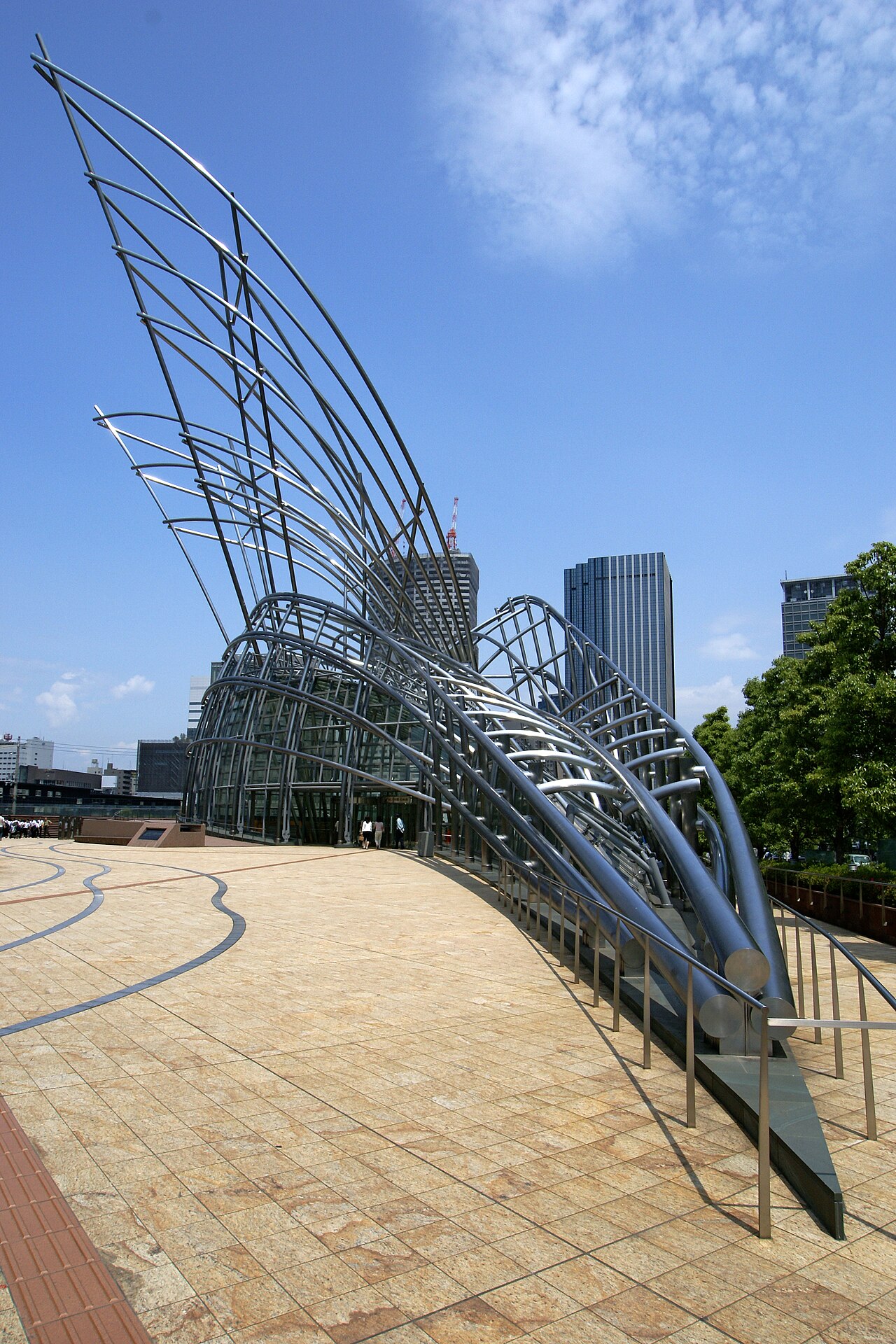
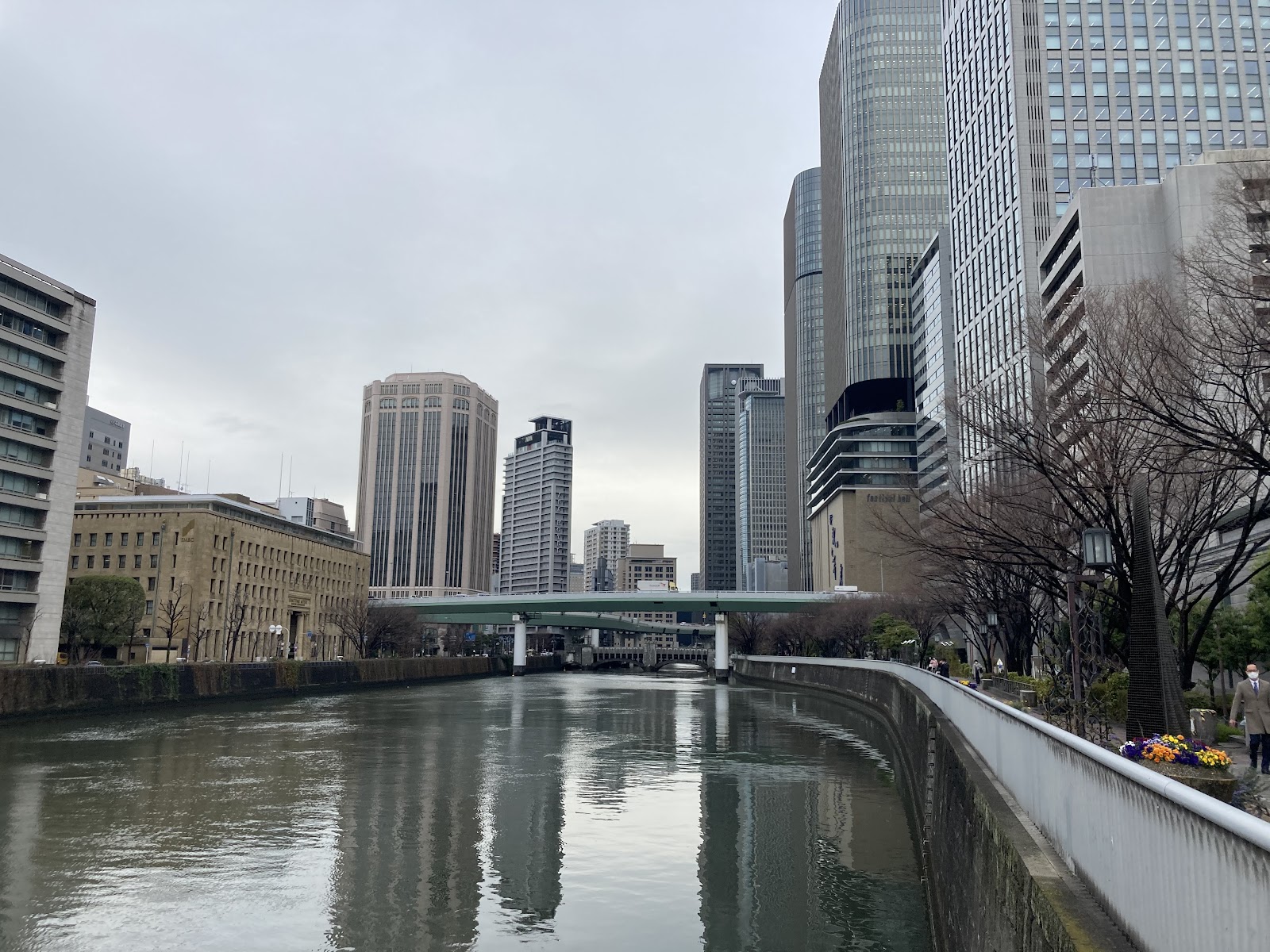
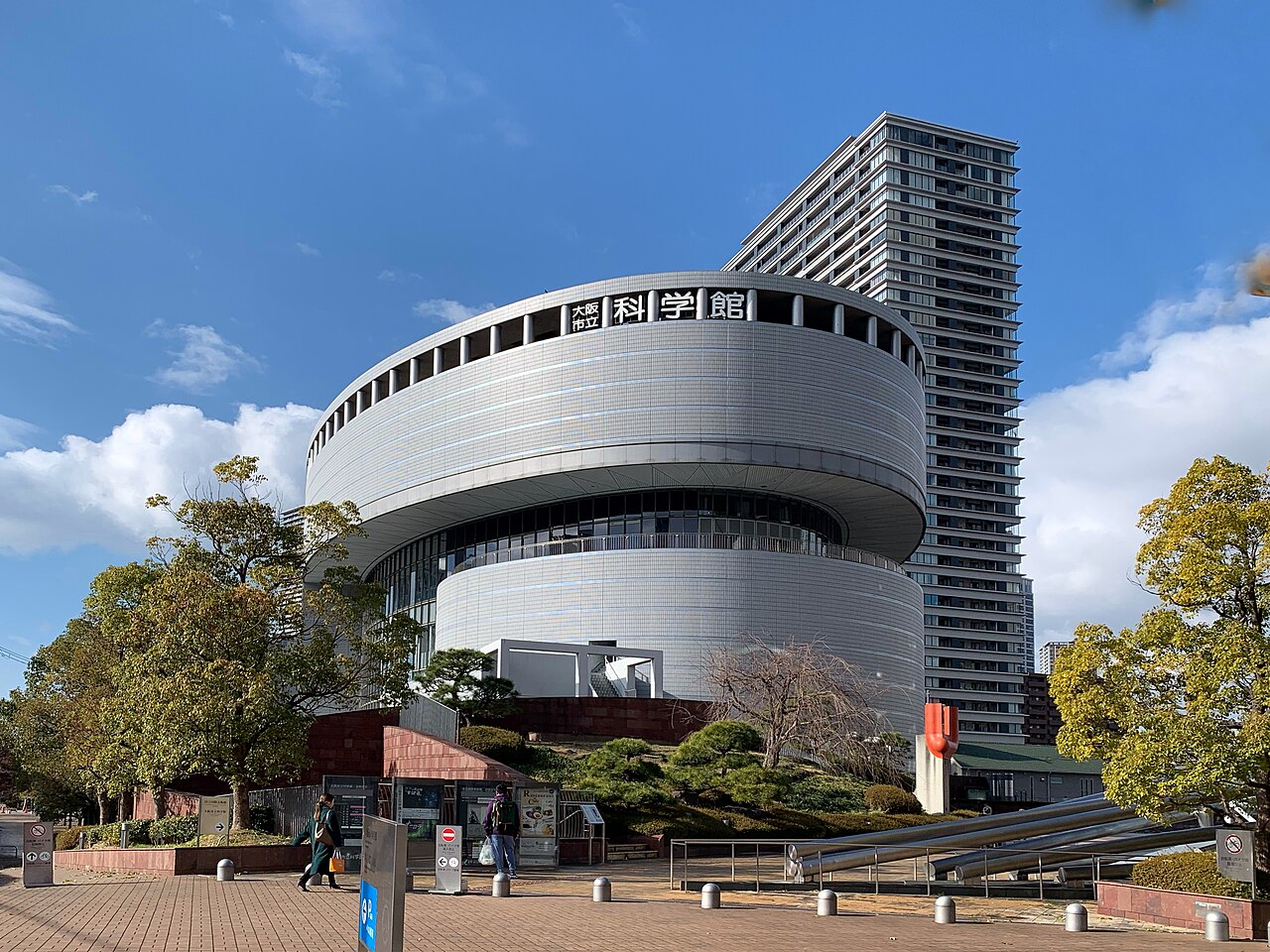
The Osaka Science Museum is a favourite family day out on Nakanoshima, combining four floors of hands-on exhibits with a giant planetarium under the theme 'the universe and energy.' It stands at the western tip of the island beside the National Museum of Art, its curved concrete form a landmark on the riverbank. The museum traces its lineage to the Osaka City Electricity Science Museum, which in 1937 installed Japan's very first planetarium — a pioneering piece of scientific culture — and the present building, opened in 1989, carries that legacy forward.
Inside, the emphasis is firmly on doing rather than reading. The galleries are organised by floor around themes such as the universe, everyday chemistry, electricity and energy, and forces and motion. Children and adults crank generators, watch static-electricity demonstrations lift their hair on end, trace the path of light through prisms, and set pendulums and gears in motion. Live science shows — including popular demonstrations of low-temperature liquid nitrogen and static electricity — run several times a day in a demonstration theatre, delivered with the theatrical flair Osaka is known for. Because so many exhibits are physical and interactive, language is rarely a barrier, though English text is limited.
The centrepiece is the planetarium, housed under one of the largest domes in Japan at around 26.5 metres in diameter. Its optical-mechanical and digital projection system recreates a night sky of extraordinary clarity, and shows are narrated live by staff astronomers rather than pre-recorded, changing with the seasons and current celestial events. For many visitors the planetarium alone justifies the trip, and it connects the museum directly to that 1937 first — Osaka has been projecting the stars for the public longer than almost anywhere in Asia.
A notable strand of the collection celebrates local scientific heritage, including material on the region's role in the history of electricity and lighting. The museum was deliberately sited on Nakanoshima among Osaka's other cultural institutions, making it part of a walkable cluster of art and science on the island.
The visiting experience is relaxed and thoroughly family-friendly: the building is accessible with lifts, there are ample rest areas, and the basement level is free to enter. Allow around two hours for the exhibits and a planetarium show combined, more if you catch several live demonstrations. Weekends and school holidays bring the fullest programming but also the biggest crowds, so weekday mornings suit those wanting a quieter visit.
Getting there is straightforward: it is about a seven-minute walk from Higobashi Station on the Yotsubashi subway line, using exit 3, and it sits right next to the National Museum of Art and a short stroll from the Nakanoshima Museum of Art, so science and art can easily be combined in one outing. Book a planetarium slot on arrival, as popular shows fill quickly.
A local's tip
Book a planetarium slot as soon as you arrive — the dome is one of Japan's largest and popular shows sell out; the live-narrated star programmes change with the season.
Best time to visit
Weekends and school holidays for full programming; weekdays for quiet
Getting there
About a seven-minute walk from Higobashi Station (exit 3) on the Osaka Metro Yotsubashi Line, at the western tip of Nakanoshima beside the National Museum of Art.
Good to know
- Shop
- Wi-Fi
- English
- Restrooms
- Planetarium
Plan the whole trip offline
Osaka Science Museum is one of many places in the Real Japan app — with turn-by-turn directions, nearby spots and full offline maps you can use with no signal.