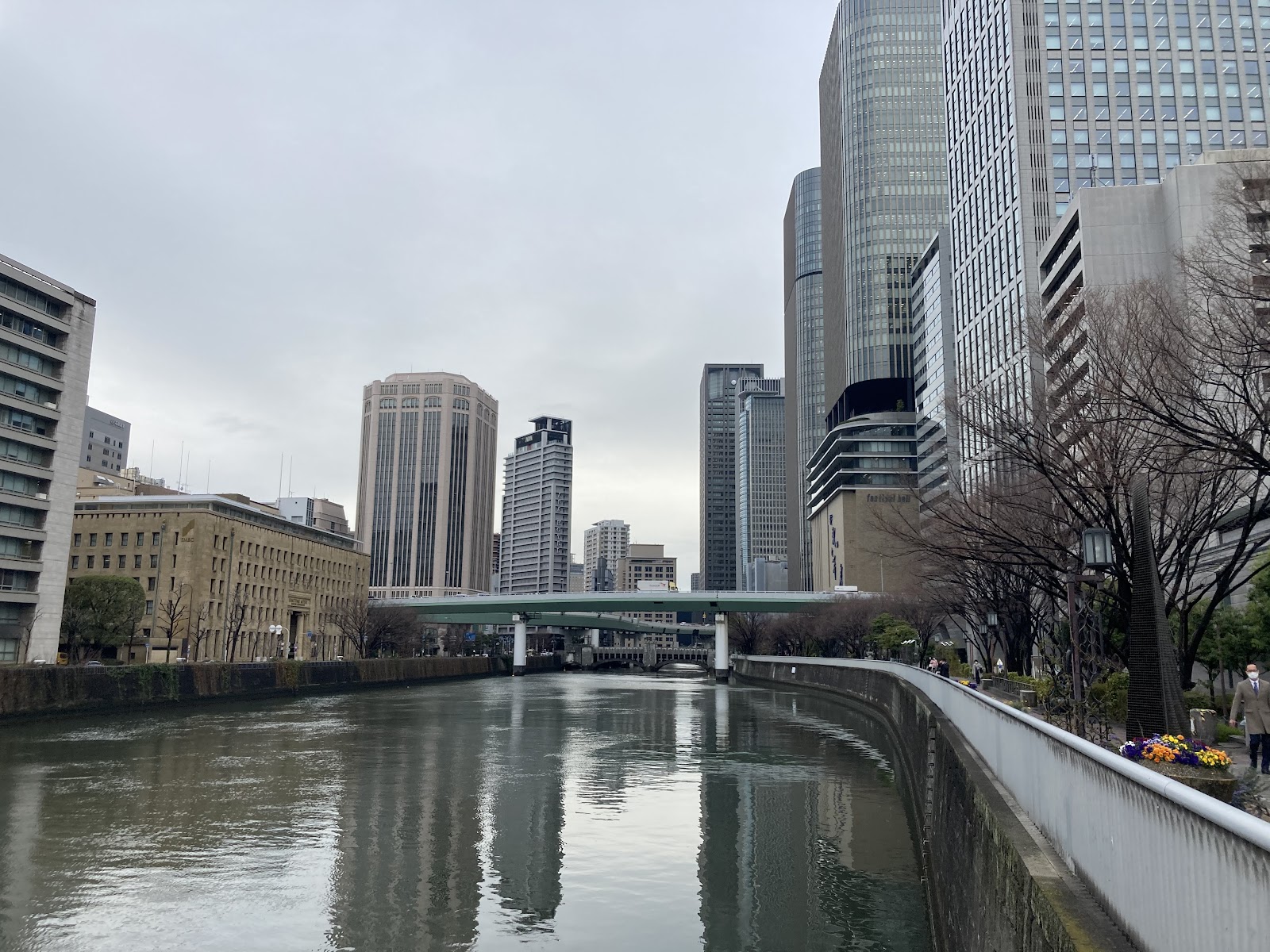
Osaka's cultural sandbar between two rivers, lined with grand architecture, museums and a riverside rose garden.
Nakanoshima is a long, slender island — its name literally means "island in the middle" — running east to west through central Osaka between the Dojima and Tosabori rivers. Since the Edo period it has been a hub of commerce and administration, home to the rice warehouses of feudal domains, and today it is the city's civic and cultural heart: a graceful ribbon of parks, grand early-twentieth-century architecture, museums and riverside promenades that offers a calm, elegant counterpoint to the neon of Minami.
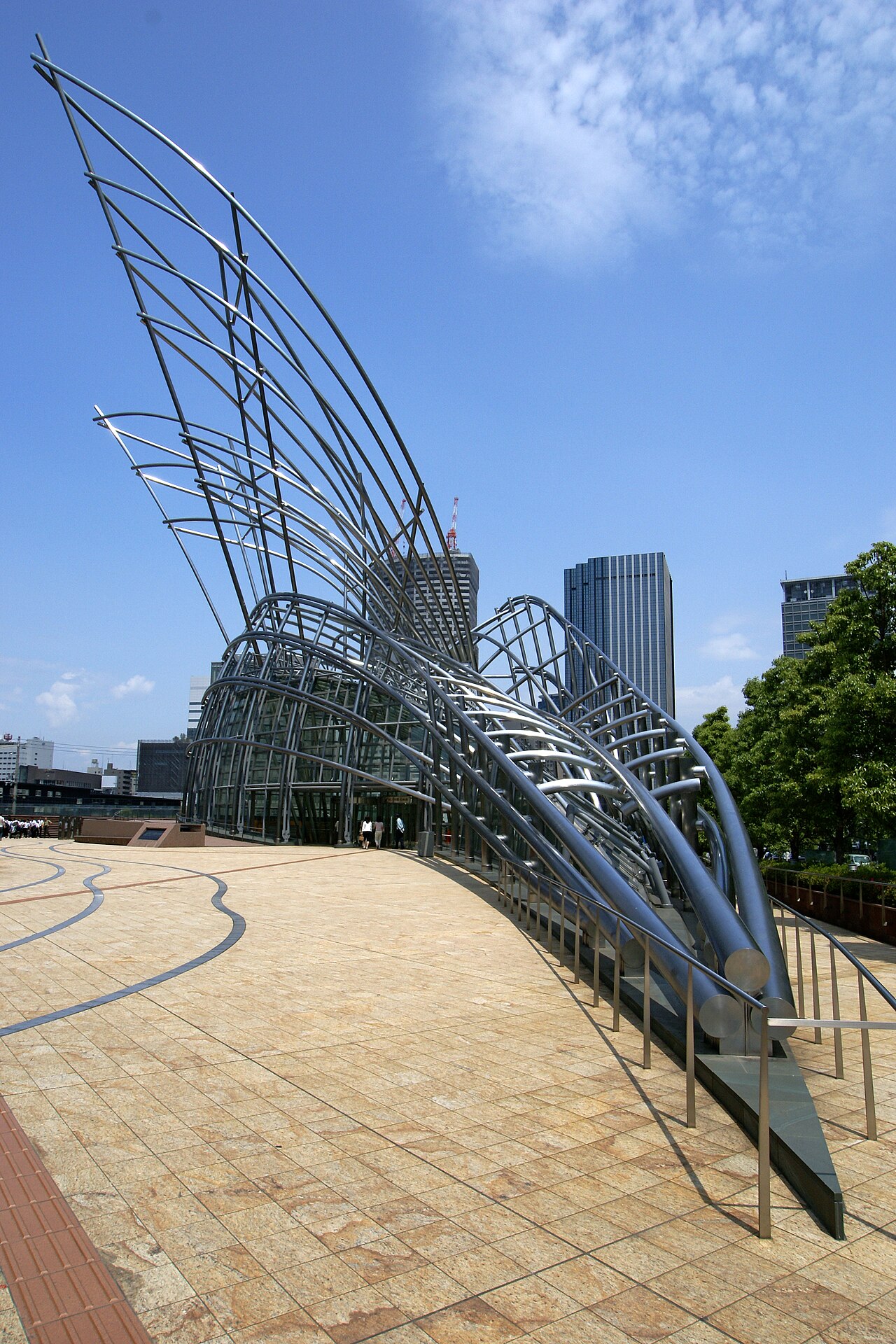
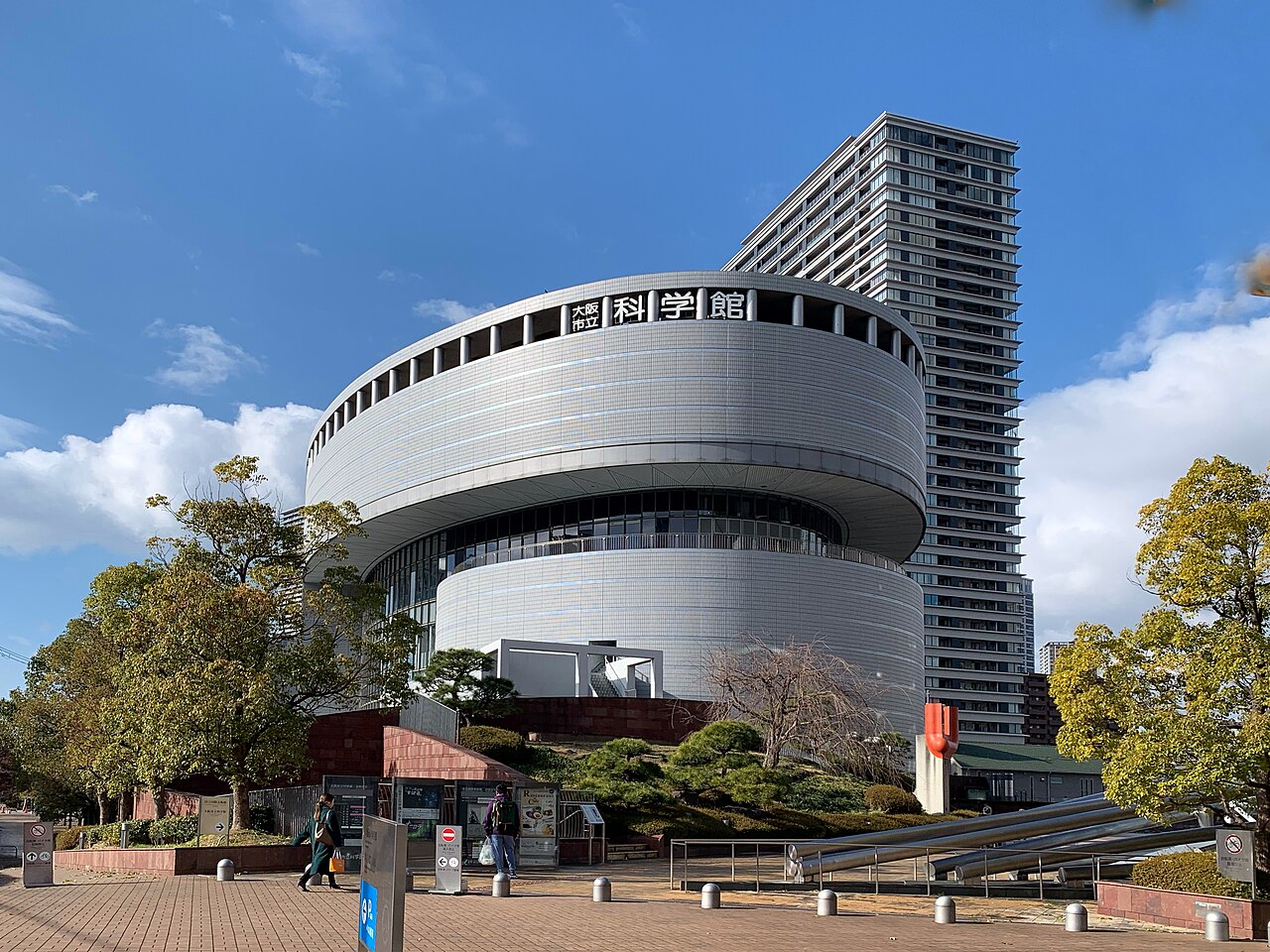
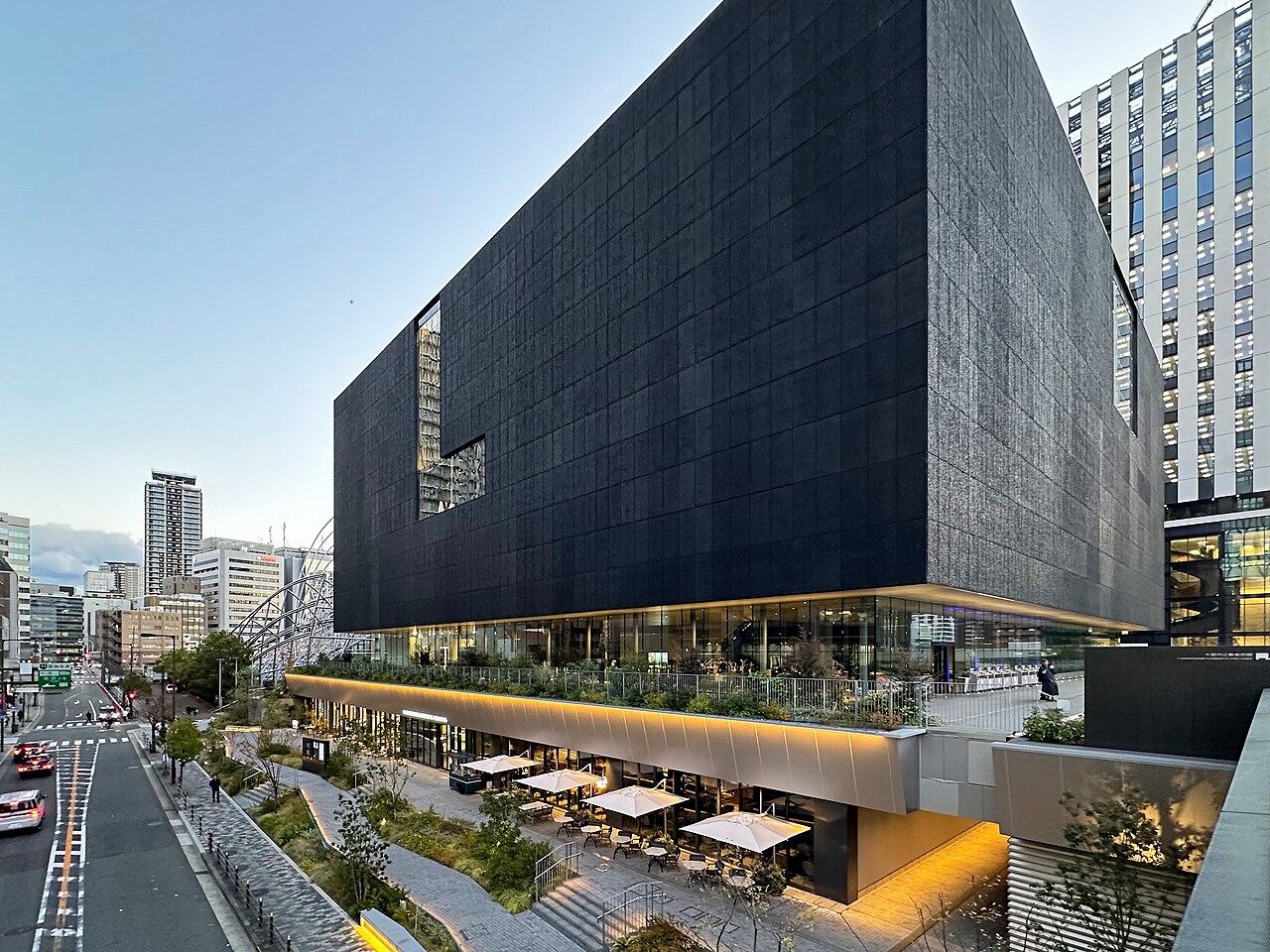
The island's architectural set pieces are its glory. The Osaka City Central Public Hall, a Neo-Renaissance red-brick landmark completed in 1918 and now an Important Cultural Property, anchors the eastern end and is one of the city's most photographed buildings, especially when lit at night and mirrored in the river. Beside it stand the domed Nakanoshima Library (1904) and the modern Osaka City Hall, while the striking cylindrical facade of the Museum of Oriental Ceramics — holder of a world-class collection including National Treasures — sits nearby. At the western end, the bold black cube of the Nakanoshima Museum of Art (opened 2022) and the futuristic National Museum of Art give the island a contemporary cultural weight to match its historic core.
What to see and do: stroll the tree-lined riverside paths of Nakanoshima Park, Osaka's oldest public park; visit the museums and the Central Public Hall; and, in season, wander the Nakanoshima Rose Garden, where hundreds of varieties bloom in a long riverside bed. Architecture lovers can trace a walking line of century-old buildings from end to end, while cafes and terraces along the water make natural rest stops. Occasional cruise boats ply the surrounding rivers, offering a different vantage on the bridges and facades.
The visiting experience is refined and unhurried, ideal for a slow half-day of culture and walking, and it is fully accessible, with flat riverside paths and lifts in the museums. Because everything sits on a narrow island, distances are short and the whole ensemble can be enjoyed on foot.
Best time to visit is daytime for the architecture and museums, with the rose garden at its peak in mid-May and again in mid-October; the illuminated Central Public Hall is a highlight after dark, and winter brings a riverside light display. The island is rewarding in every season.
Getting there is convenient. From Yodoyabashi Station — on the Midosuji subway line and the Keihan Main Line — it is a three-minute walk north to the island. The Keihan Nakanoshima Line runs directly beneath Nakanoshima, with stations at Oebashi, Naniwabashi and Nakanoshima placing you on the island itself. IC cards such as ICOCA and Suica cover these routes; a Japan Rail Pass does not apply, as the closest lines are subway and Keihan rather than JR — the nearest JR access is Osaka/Kitashinchi, a short walk north.
A local's tip
Time a visit for the Nakanoshima Rose Garden's spring or autumn bloom, then walk east to Naniwabashi to photograph the red-brick Central Public Hall reflected in the river.
Best time to visit
Daytime for architecture and museums; the rose garden peaks in mid-May and mid-October
Getting there
From Yodoyabashi Station (Midosuji subway or Keihan line), walk three minutes north to the island. The Keihan Nakanoshima Line runs directly beneath it, with stations at Oebashi, Naniwabashi and Nakanoshima.
Good to know
- Cafes
- Wi-Fi
- Restrooms
Plan the whole trip offline
Nakanoshima is one of many places in the Real Japan app — with turn-by-turn directions, nearby spots and full offline maps you can use with no signal.