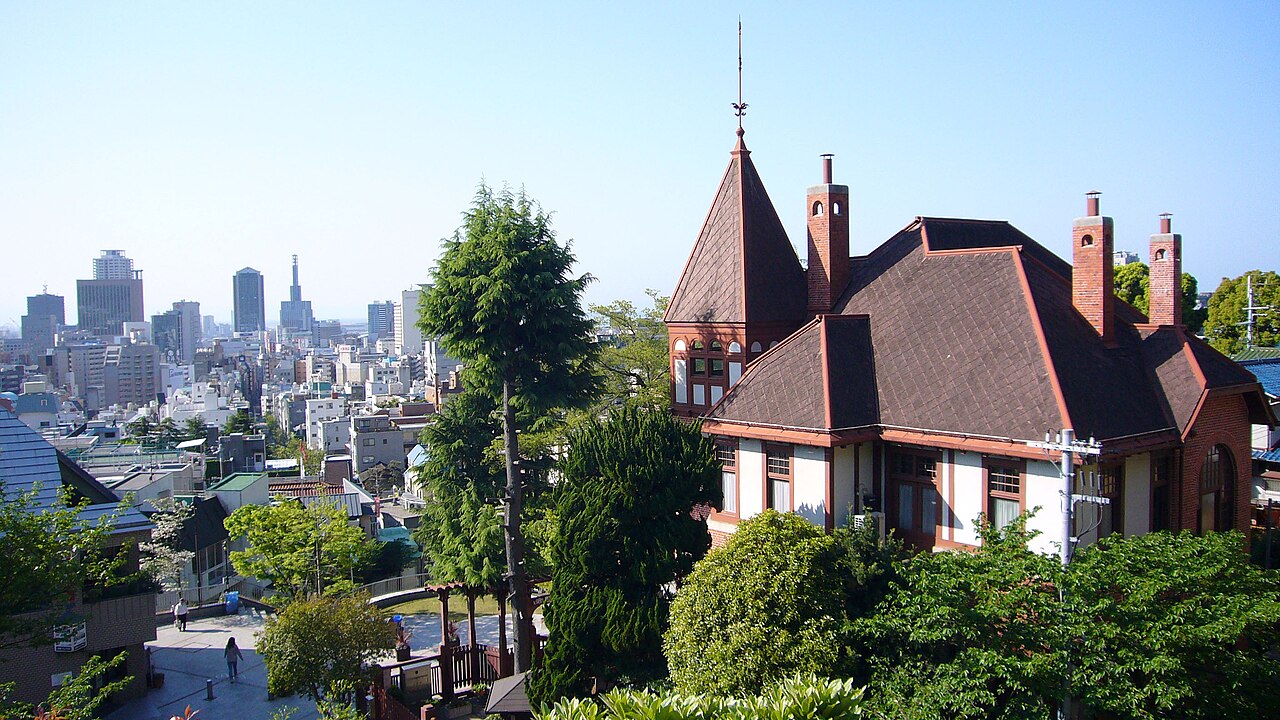
A hillside neighbourhood of preserved Western-style mansions built by foreign traders after Kobe opened to international trade.
The Kitano Ijinkan district is one of Kobe's most distinctive neighbourhoods, a hillside enclave of elegant Western-style houses that were built by foreign merchants, diplomats and traders in the decades after Kobe opened as an international port in 1868. The word ijinkan means 'foreigners' residences', and these homes, perched on the slopes of the Rokko foothills just above the city centre, give the district a uniquely cosmopolitan, almost European character found nowhere else in Kobe.
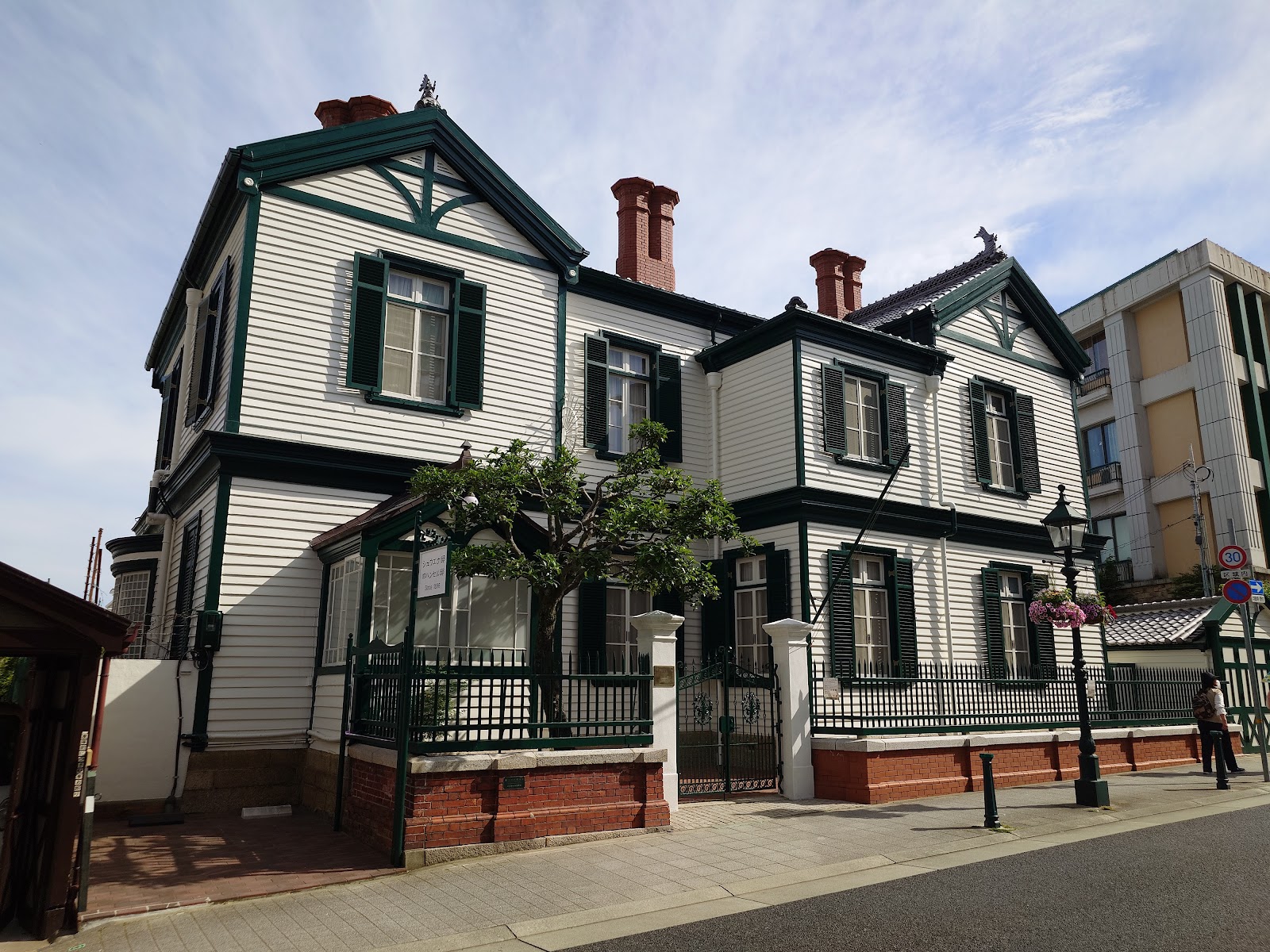
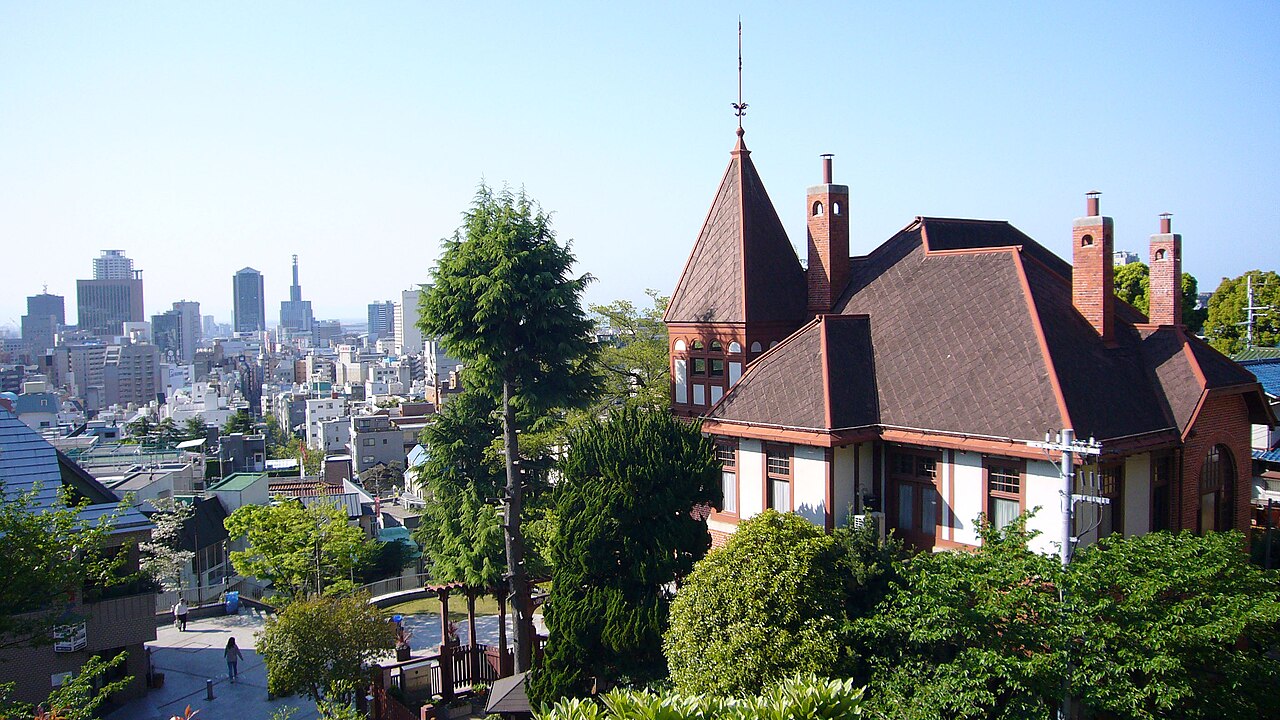
When Kobe became one of the ports opened to foreign trade at the end of the Edo period, an international community of Westerners settled here, and as the flatter land near the harbour filled up they moved up onto the breezy Kitano slopes, building comfortable homes in the architectural styles of their homelands. Dozens of these buildings survive, a mix of American, English, German, French, Dutch and other influences, with verandas, bay windows, brick chimneys and gardens that look out over the city and harbour below.
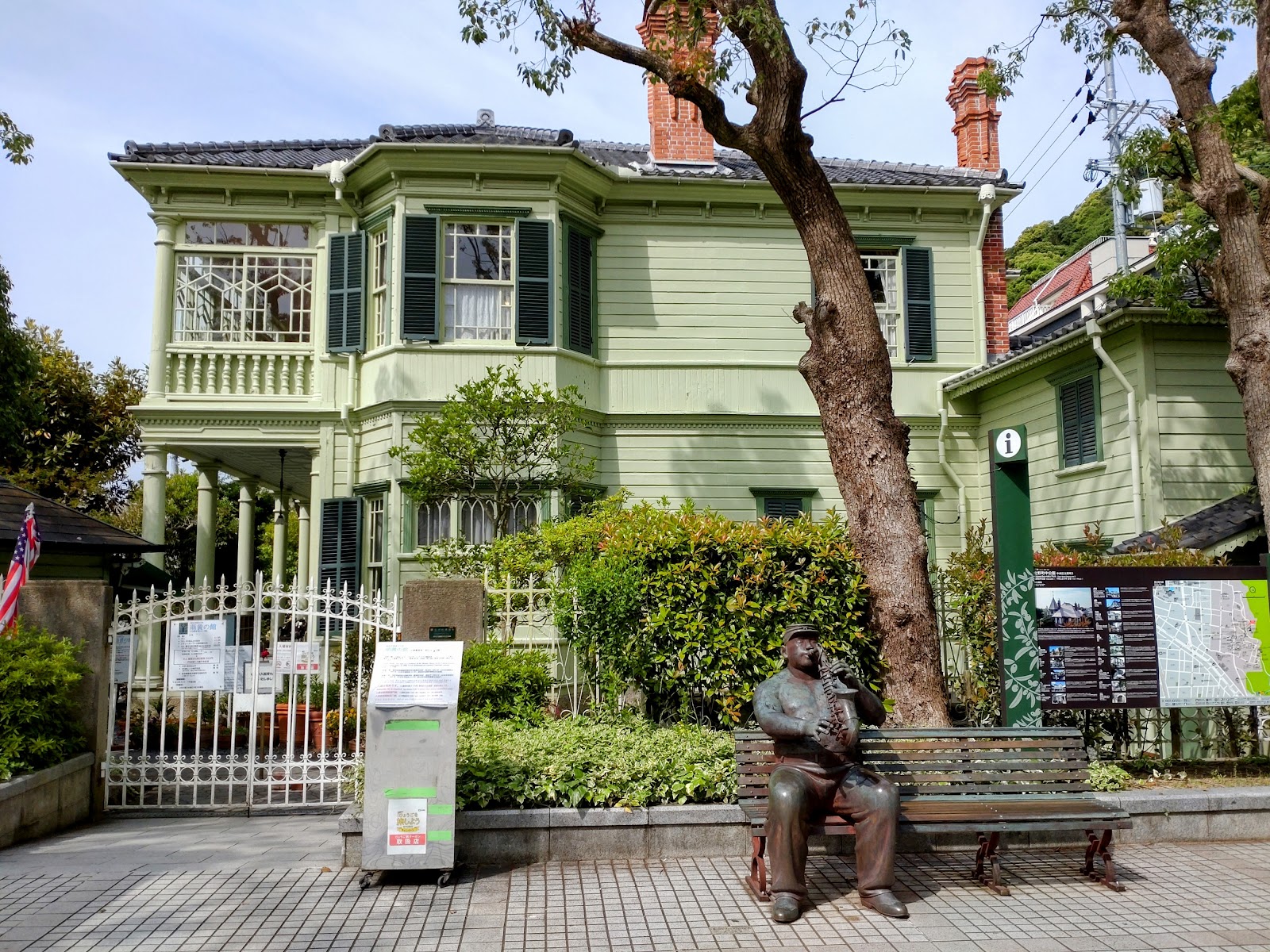
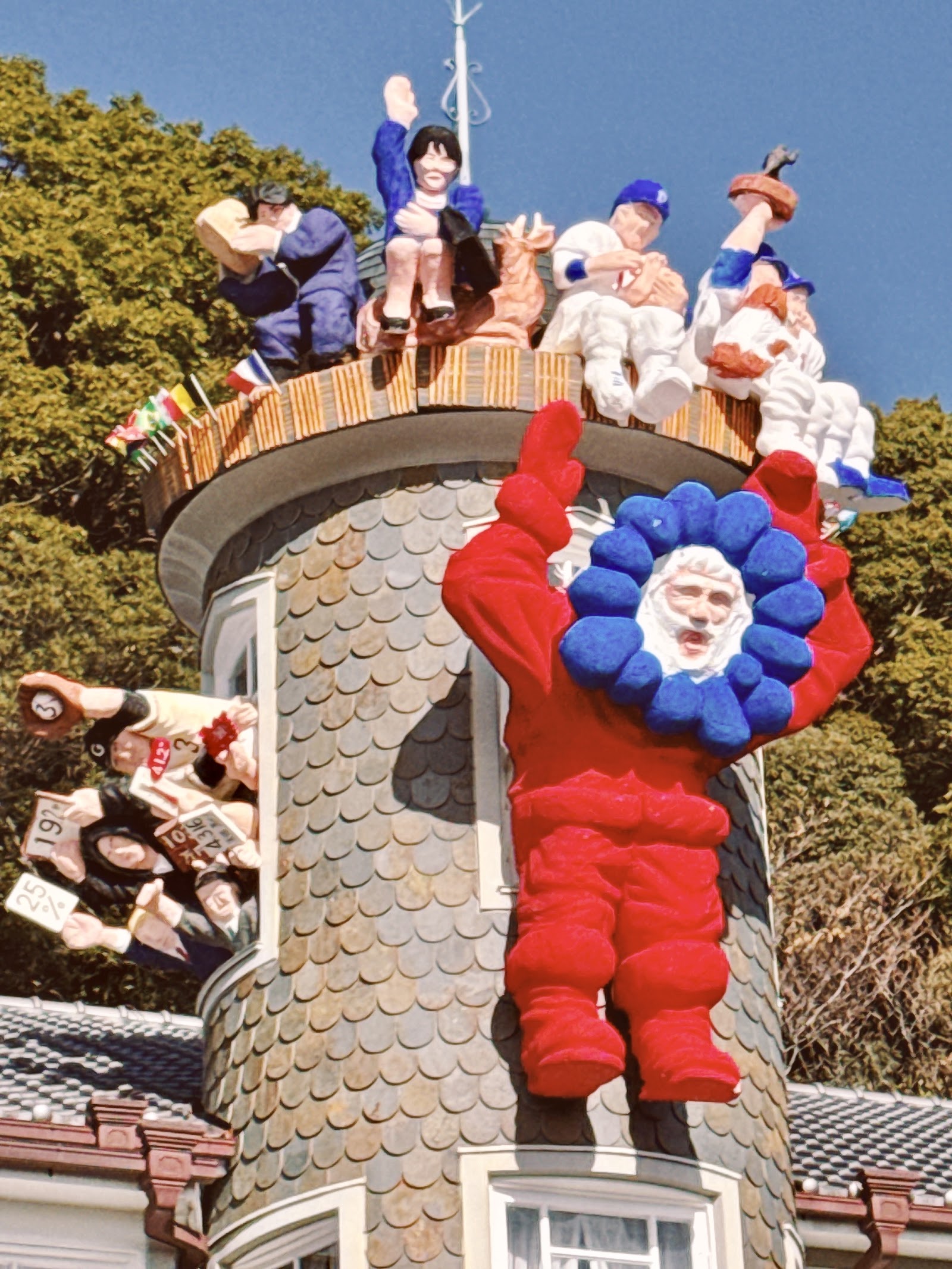
The most famous is the Weathercock House, or Kazamidori no Yakata, a handsome red-brick mansion topped by a rooster weathervane that has become the symbol of the whole district and one of Kobe's best-known images. Nearby stands the Moegi House, a mint-green former American consul's residence, and a string of others open to the public as small museums, each themed around its original nationality or a particular collection, from a Dutch house to a fragrance-themed residence and quirky attractions aimed at visitors. Many can be entered for a small admission fee, though simply strolling the sloping lanes and admiring the exteriors is free and rewarding in itself.
Beyond the historic houses, Kitano has evolved into a fashionable, romantic district full of stylish cafes, patisseries, boutiques and wedding chapels, many housed in or styled after the old Western buildings. Its cobbled slopes and leafy corners make it popular for a relaxed walk, and the elevation offers glimpses down over the rooftops to the harbour. The Kitano Tenman Shrine at the top of the hill provides both a spiritual anchor and one of the best viewpoints back over the district.
The area does require a bit of uphill walking, as the streets climb the mountain slope, but the gradient is manageable and the atmosphere well worth it. Kitano sits a short walk uphill from Shin-Kobe Shinkansen Station and from the central Sannomiya district, making it easy to reach and to combine with the nearby Nunobiki Falls and Herb Garden ropeway. For a sense of Kobe's history as Japan's window on the West, and a pleasant afternoon among handsome old houses, cafes and views, the Kitano Ijinkan district is one of the city's essential neighbourhoods.
A local's tip
You don't need to pay to enter every house; walking the sloping lanes to admire the exteriors, the Weathercock House and the harbour views between the buildings is a delight in itself. Pick one or two interiors, like the Weathercock House, to go inside.
Best time to visit
Daytime; pleasant in spring and autumn for the walk uphill
Getting there
A 10-minute walk uphill from Shin-Kobe Station on the Shinkansen and subway, or about 15 minutes north from Sannomiya Station. The district climbs the slope of the Rokko foothills above the city centre.
Good to know
- Cafes
- Shops
- Restrooms
- Historic Houses
Plan the whole trip offline
Kitano Ijinkan District is one of many places in the Real Japan app — with turn-by-turn directions, nearby spots and full offline maps you can use with no signal.