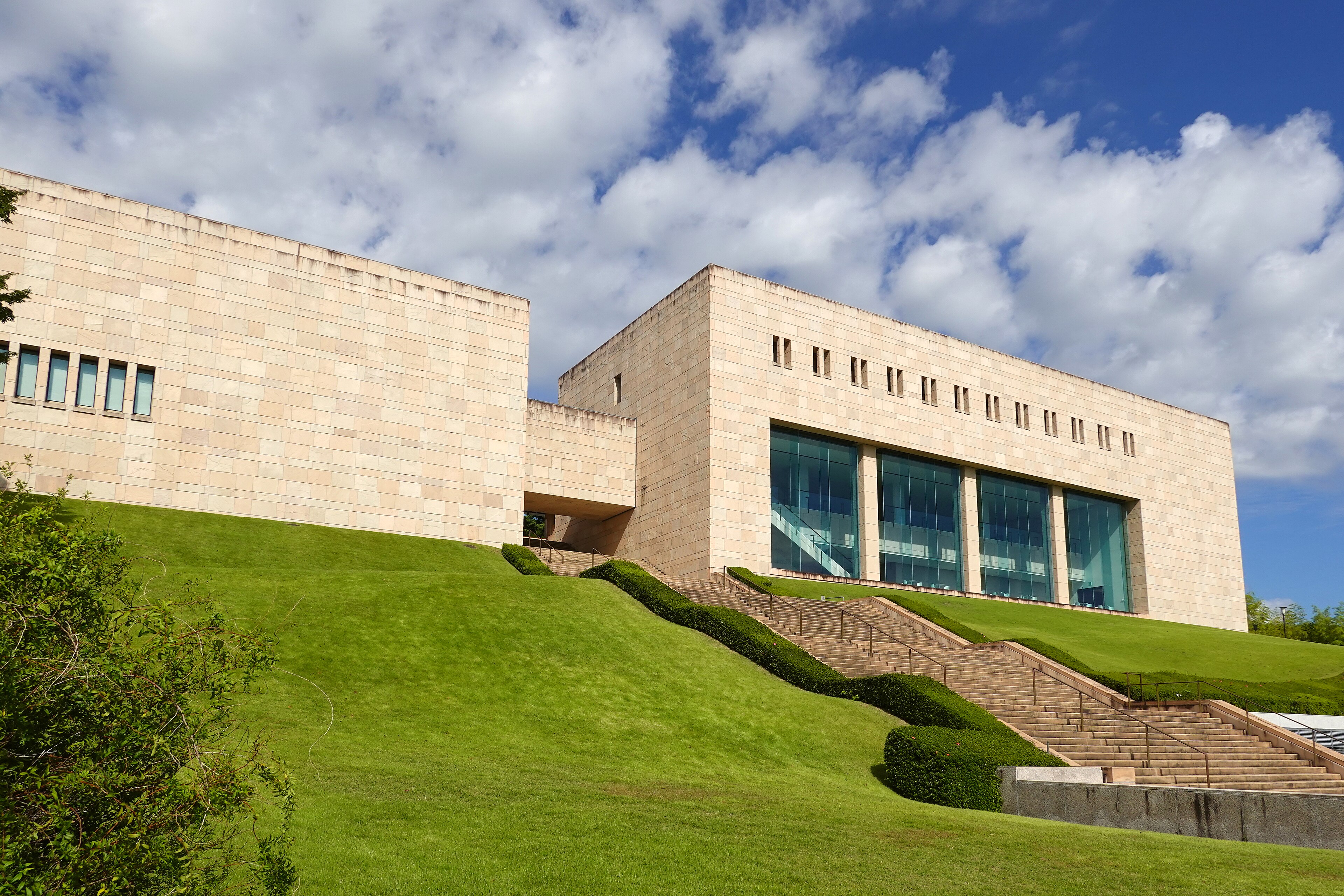
Hakone's oldest museum, pairing ancient Japanese ceramics with a spellbinding moss-and-maple garden.
The Hakone Museum of Art is the oldest museum in Hakone, founded in 1952 by Okada Mokichi, a collector and religious leader whose holdings later also seeded the celebrated MOA Museum in Atami. Perched on the hillside above Gōra, it is a serene, old-fashioned counterpoint to the region's glossier modern galleries — and for many visitors its garden, not its art, is the reason to come.
Inside the low traditional buildings the focus is Japanese ceramics, displayed with a connoisseur's restraint. The collection traces the evolution of Japanese pottery from the rope-patterned earthenware of the ancient Jōmon period, through Haniwa funerary figures, to the refined stoneware and glazed wares of the medieval and Edo eras. It is a compact, focused collection rather than an exhausting one, and it rewards slow looking; you leave with a real sense of how Japanese ceramic taste developed over thousands of years.
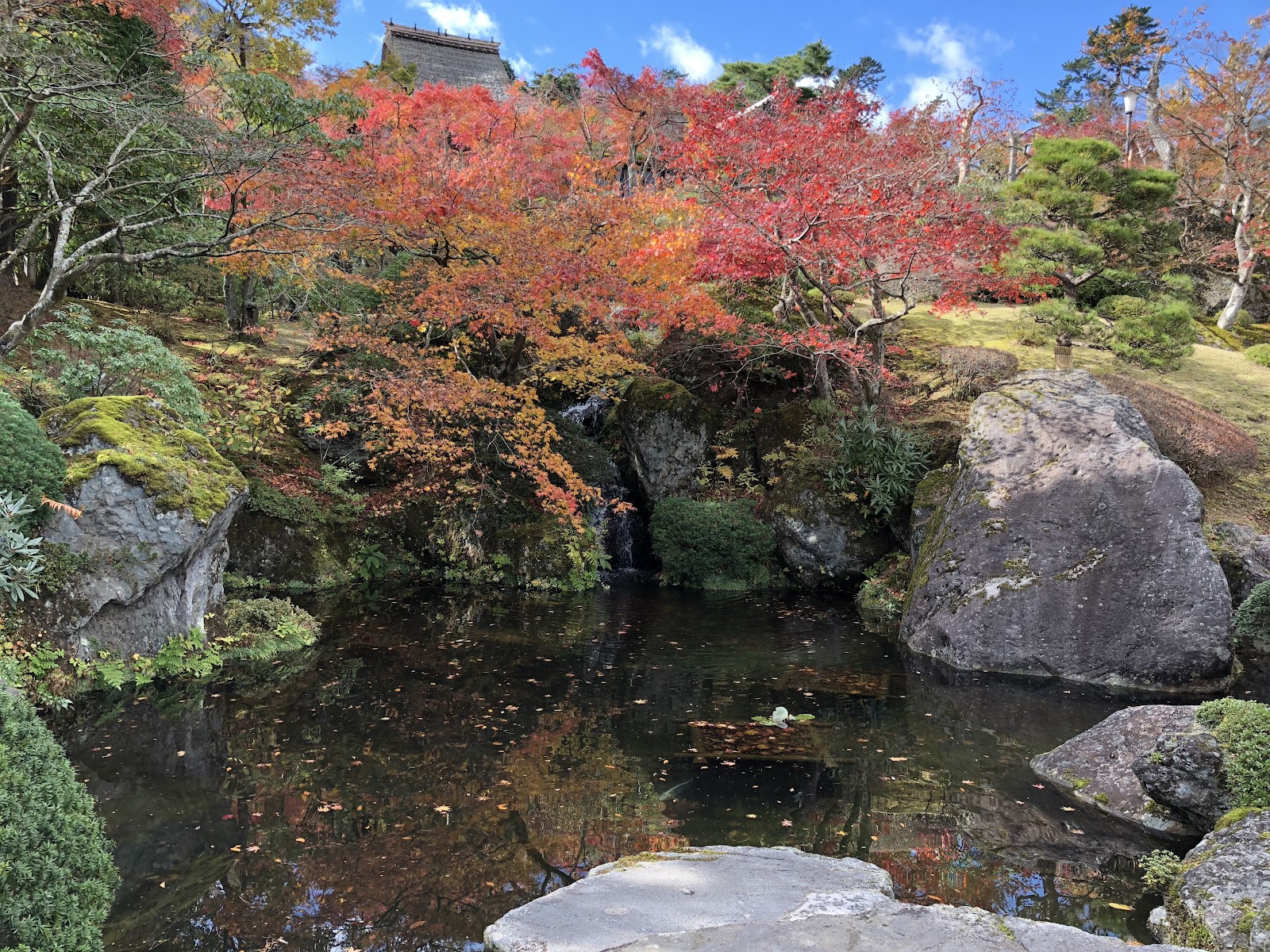
The true masterpiece, however, is outdoors. The Shinsenkyō moss garden carpets the slope in dozens of varieties of velvety green moss, threaded with stone paths and shaded by around 130 Japanese maples. In the last weeks of November the maples ignite into crimson and gold above the emerald moss, producing one of the most beautiful — and most photographed — autumn scenes in all of Hakone. Spring brings a softer palette of fresh green and bamboo. The adjoining Sekiraku-en bamboo garden and a traditional tea house, where you can take matcha and a sweet while gazing over the moss, complete the experience.
Visiting here feels closer to strolling a temple garden than touring a museum. Paths are gentle but include some steps and slopes, so it is moderately accessible rather than fully barrier-free. The atmosphere is quiet and meditative, and because the crowds gravitate to the Pola and Open-Air museums, you can often have a corner of the moss garden almost to yourself.
Timing matters more here than at any other Hakone museum. Aim for the second half of November for peak autumn colour, or April to May for spring green; both seasons transform the garden. The museum keeps slightly shorter winter hours and closes on Thursdays, so check the day before you go.
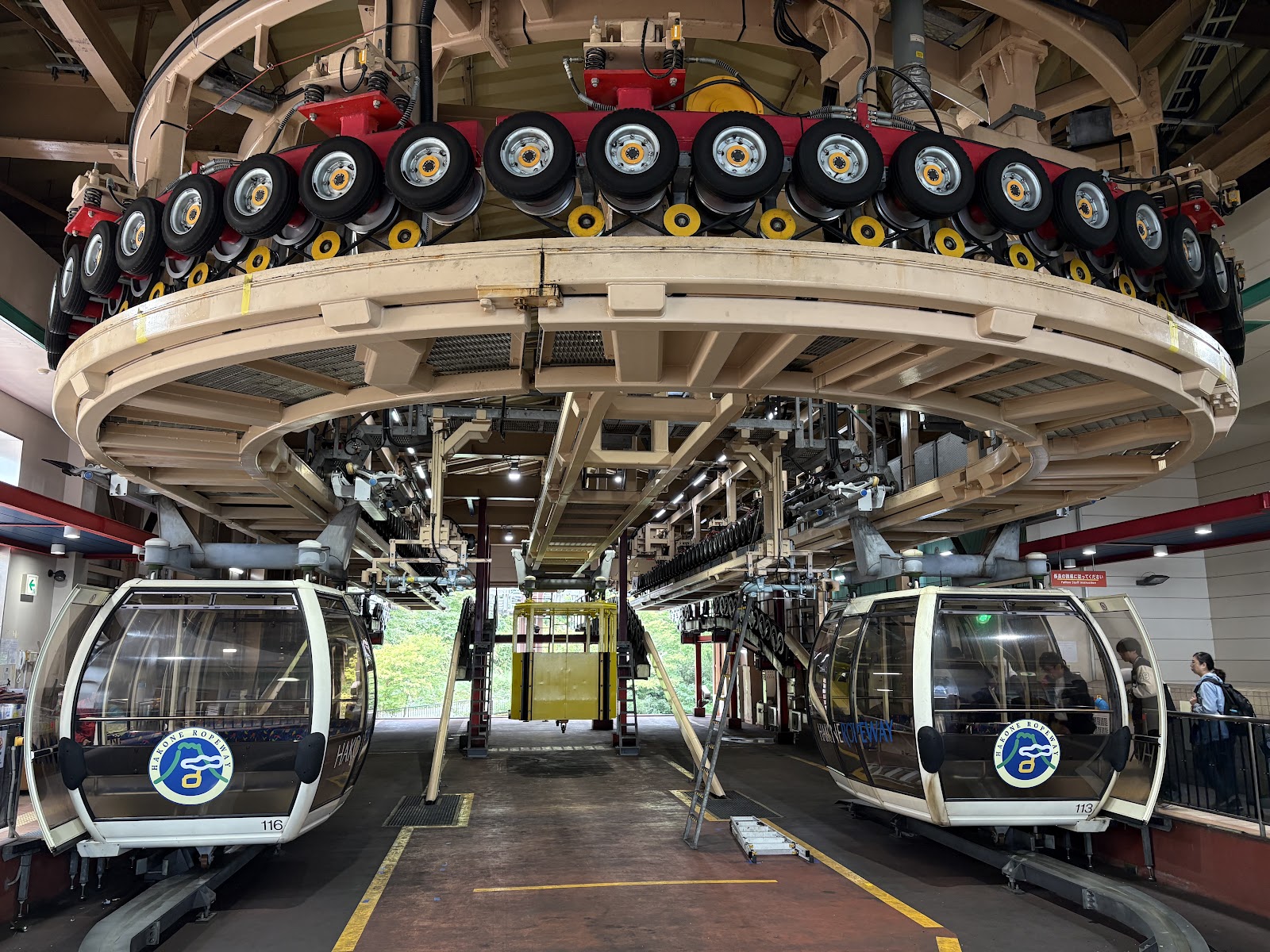
Getting there is part of the fun. From Gōra Station — the top of the Hakone Tozan mountain railway — transfer to the vintage Hakone Tozan Cable Car (a funicular) and ride two stops up to Kōen-kami Station; the museum is a one-minute walk from the platform. The whole journey from Hakone-Yumoto takes about 40 minutes. As with the rest of Hakone, the railway and cable car are part of the Odakyu-affiliated Hakone Tozan network and are not covered by a Japan Rail Pass, so the Hakone Freepass, which includes the cable car, is the sensible ticket.
A local's tip
Come in the last three weeks of November: the Shinsenkyō moss garden under flaming maples is one of Hakone's most photographed autumn scenes, and it is far quieter than the big-name museums.
Best time to visit
Mid to late November for the moss-and-maple garden
Getting there
From Gōra Station ride the Hakone Tozan Cable Car two stops uphill to Kōen-kami; the museum entrance is less than a minute's walk. About 40 minutes total from Hakone-Yumoto.
Good to know
- Shop
- Garden
- Restrooms
- Tea House
Plan the whole trip offline
Hakone Museum of Art is one of many places in the Real Japan app — with turn-by-turn directions, nearby spots and full offline maps you can use with no signal.