A historic riverside sake brewery-museum in Fushimi, home of Japan's famous soft-water sake since 1637.
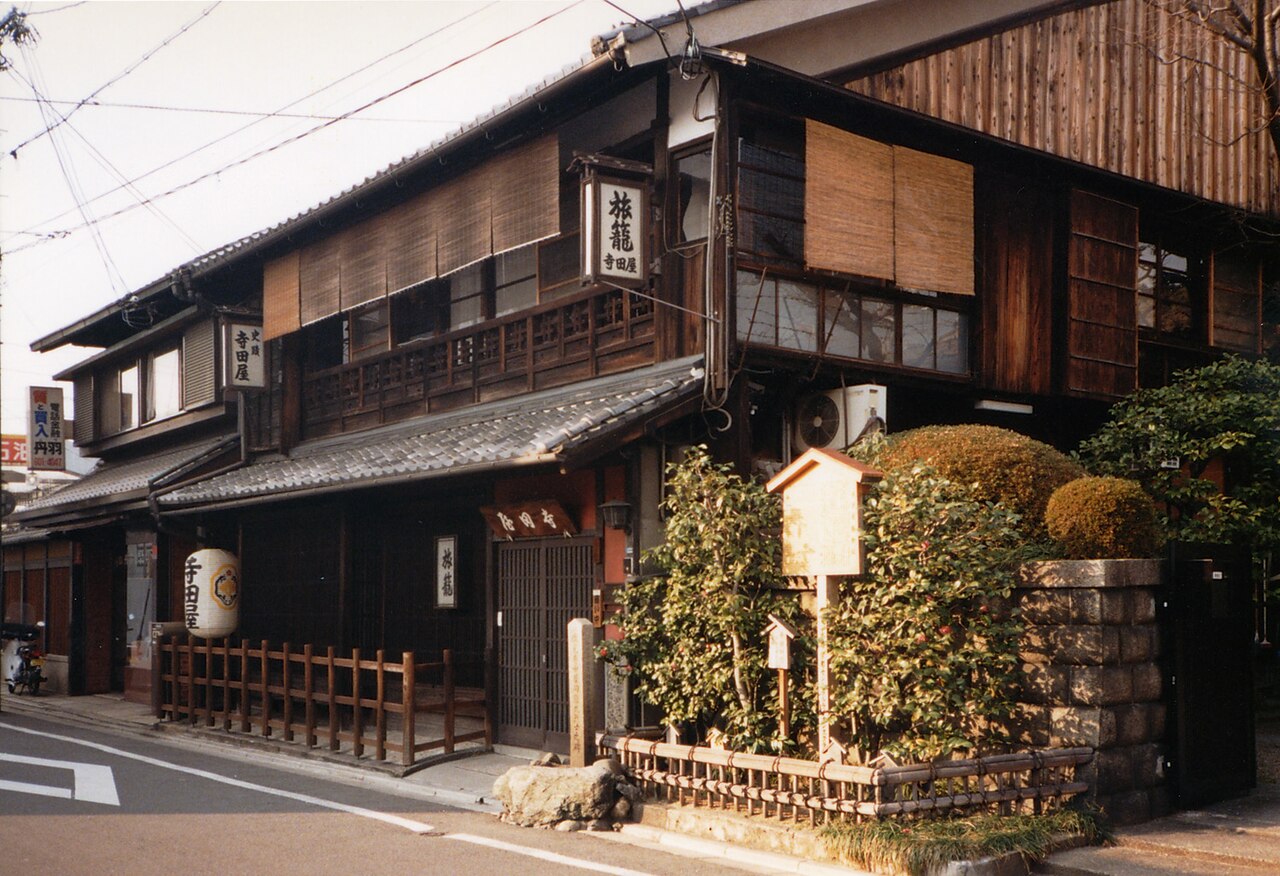
The Gekkeikan Okura Sake Museum sits in the heart of Fushimi, the storied brewing district in southern Kyoto that has been one of Japan's two great sake capitals for centuries. Housed in a preserved wooden brewery beside a willow-lined canal, the museum tells the story of how rice, water and craft become sake, and lets you taste the result where it has been made since the Edo period.
Gekkeikan itself is one of the oldest companies on earth. It was founded in Fushimi in 1637 by Jiemon Okura, and after nearly four centuries it remains a family-linked business and a member of the Henokiens association of bicentenarian companies; its name means "laurel wreath", the victor's crown. Fushimi's advantage has always been its water — soft, mineral-gentle groundwater that produces a mellow, elegant style of sake, distinct from the firmer sake of Nada near Kobe. The museum stands on the site of one of Gekkeikan's original breweries, its dark timber storehouses and tall chimney a landmark of the neighbourhood.
Inside, the exhibits walk you through the full brewing cycle using the actual tools of the trade: cedar vats, wooden presses, koji-making trays, and the heavy implements once wielded by the seasonal toji master brewers and their teams. Panels and preserved equipment explain each step — polishing and washing the rice, cultivating koji mould, fermenting the moromi mash, and pressing and maturing the finished sake — and a natural spring still bubbles up on site, letting you understand why brewers prized this exact spot. The atmosphere is quietly evocative, thick with the faint sweet scent of rice and wood.
The visit ends, fittingly, with a tasting. Admission (around 600 yen) includes samples of Gekkeikan sake, and the shop sells bottles you cannot easily find elsewhere, including small-batch and museum-exclusive brews, plus sake-based sweets and skincare. It is an unhurried, hour-long experience that rewards curiosity and makes an excellent contrast to Kyoto's temples and shrines.
Winter is the classic season to come, as sake has traditionally been brewed in the cold months and the district feels most alive with the craft then, but the museum is comfortable year-round and Fushimi is lovely under spring blossom and autumn colour. The building is largely accessible on the ground level, though some older sections have steps. Note the museum closes over the mid-August and New Year holidays.
Getting there takes you into one of Kyoto's most atmospheric old quarters. From Kyoto Station, ride the JR Nara line to Momoyama or the Keihan line to Chushojima, then walk five to ten minutes through streets of black-walled breweries to the canal. Make a half-day of it: the surrounding Fushimi sake district holds dozens of breweries and tasting rooms, the sake-barrel-lined Kizakura Kappa Country nearby, and the Jikkokubune boats that glide along the very canal once used to ship sake barrels down to Osaka. The great Fushimi Inari shrine is only a couple of train stops north, making an easy combined outing.
A local's tip
Your admission includes a tasting of Gekkeikan sake; afterwards stroll to the nearby Chushojima canal and hop on the Jikkokubune boat that once carried sake barrels along the water.
Best time to visit
Winter, the traditional sake-brewing season
Getting there
From Kyoto Station take the JR Nara line to Momoyama, or the Keihan line to Chushojima, then walk about 5–10 minutes into the old Fushimi brewery district on the canal.
Good to know
- Shop
- Wi-Fi
- Tasting
- Restrooms
Plan the whole trip offline
Gekkeikan Okura Sake Museum is one of many places in the Real Japan app — with turn-by-turn directions, nearby spots and full offline maps you can use with no signal.