One of the world's finest collections of Chinese, Korean and Japanese ceramics, including celebrated National Treasures, on the riverbank of Nakanoshima.
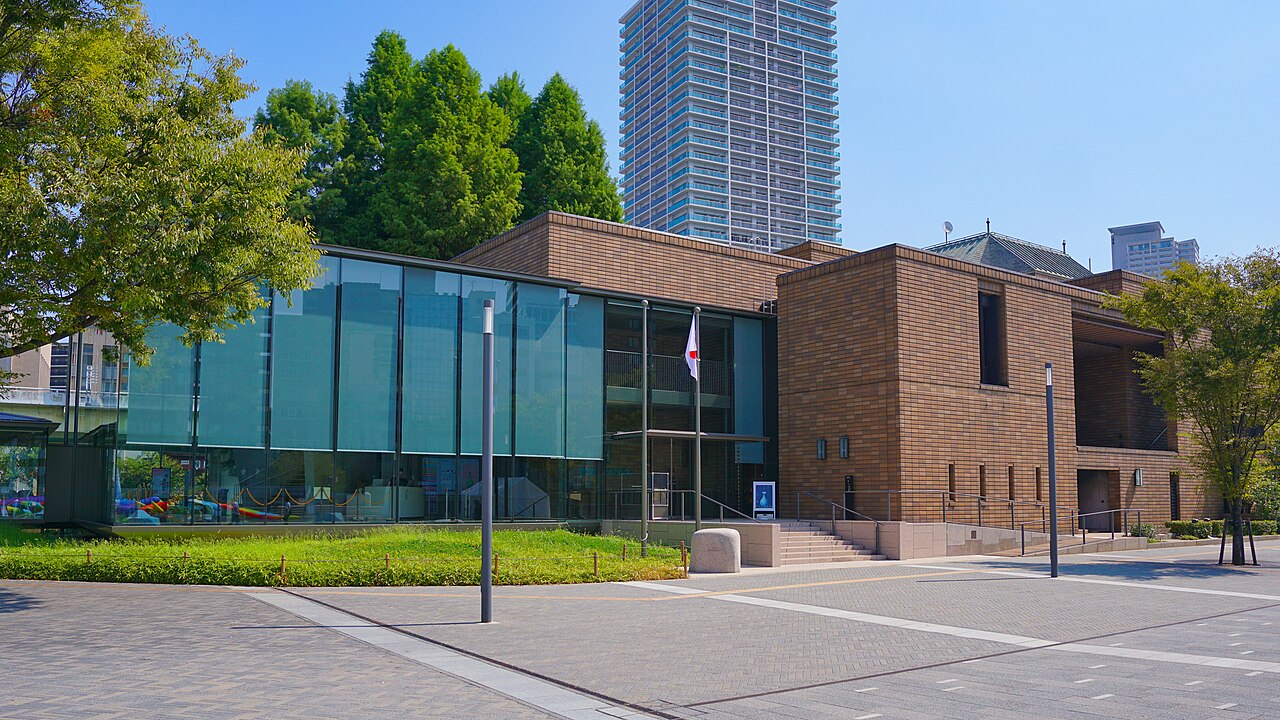
The Museum of Oriental Ceramics, Osaka holds one of the greatest collections of East Asian ceramics anywhere in the world, and for anyone with an eye for porcelain, celadon and stoneware it is a quiet marvel. Set on the northern edge of Nakanoshima Park, overlooking the Dojima River, the museum opened in 1982 to house the Ataka Collection — some 1,000 exceptional Chinese and Korean ceramics assembled by the Ataka trading company and donated to the city of Osaka by the Sumitomo group after the company's collapse. That founding gift has since grown to more than 6,000 objects.
The heart of the collection is its Chinese and Korean ceramics, widely regarded as among the finest outside their countries of origin. Highlights include two designated National Treasures — a Southern Song celadon vase with a subtle bluish glaze known as the 'flying blue' oil-spot, and a Chinese Jian-ware tea bowl with a rare iridescent oil-spot glaze — along with numerous Important Cultural Properties spanning Tang tricolour wares, Goryeo celadons and Joseon white porcelain. Japanese wares, including Nabeshima and early Imari, round out the holdings.
What sets the museum apart is not only what it shows but how it shows it. Its designers pioneered a display philosophy focused on natural light: a dedicated gallery uses louvred skylights to bathe individual masterpieces in shifting daylight, so that a celadon glaze or a white-porcelain surface reveals depths and tonal changes impossible under fixed artificial spotlights. Special rotating stands and thoughtfully lit cases let visitors study forms in the round. The museum reopened in 2024 after a major renovation that refreshed the galleries and lighting while preserving this signature approach.
A notable story lies behind the collection's survival. When Ataka & Co. went bankrupt in the 1970s, its irreplaceable ceramics might have been scattered at auction; instead the Sumitomo companies stepped in, purchased the collection and donated it to Osaka on condition that a public museum be built to keep it together. That act of corporate patronage is why one of the world's premier ceramics collections is intact and on public view today.
The visiting experience is calm and unhurried. The galleries are intimate rather than vast, the pacing is meditative, and the museum is fully accessible with lifts and English panels and guides throughout. Photography rules vary by exhibition. Allow around seventy-five minutes; ceramics enthusiasts will happily spend longer.
The museum's riverside position makes it an easy addition to a Nakanoshima walk, close to the Central Public Hall and the Nakanoshima Rose Garden. It is a two-minute stroll from Naniwabashi Station on the Keihan Nakanoshima Line, or about ten minutes from Kitahama. Daytime visits are best, both to catch the natural-light room at its finest and to combine with the surrounding park — a serene counterpoint to the busy commercial districts just across the river.
A local's tip
Seek out the small natural-light display room, where a single celadon or white-porcelain piece is lit only by daylight through a louvred skylight — it reveals glaze tones that gallery spotlights simply cannot.
Best time to visit
Daytime, to see the natural-light gallery at its best
Getting there
Two minutes on foot from Naniwabashi Station on the Keihan Nakanoshima Line, on the northern side of Nakanoshima Park. Also about a ten-minute walk from Kitahama Station.
Good to know
- Shop
- Wi-Fi
- English
- Restrooms
Plan the whole trip offline
Museum of Oriental Ceramics, Osaka is one of many places in the Real Japan app — with turn-by-turn directions, nearby spots and full offline maps you can use with no signal.