Kanazawa's storied confectioner since 1625, official sweet-maker to the Kaga lords, with a wagashi museum and tearoom.
Morihachi is one of Japan's great old confectioners, founded in Kanazawa in 1625 when Maeda Toshitsune, the third lord of the Kaga domain, commissioned a merchant named Morishitaya Hachizaemon to make sweets worthy of the newly powerful province. For nearly four hundred years Morihachi has served as an official confectioner to the Maeda family, and that pedigree still shapes everything it sells. Kanazawa, alongside Kyoto and Matsue, is considered one of Japan's three great wagashi cities, and Morihachi is the name most closely tied to that reputation.
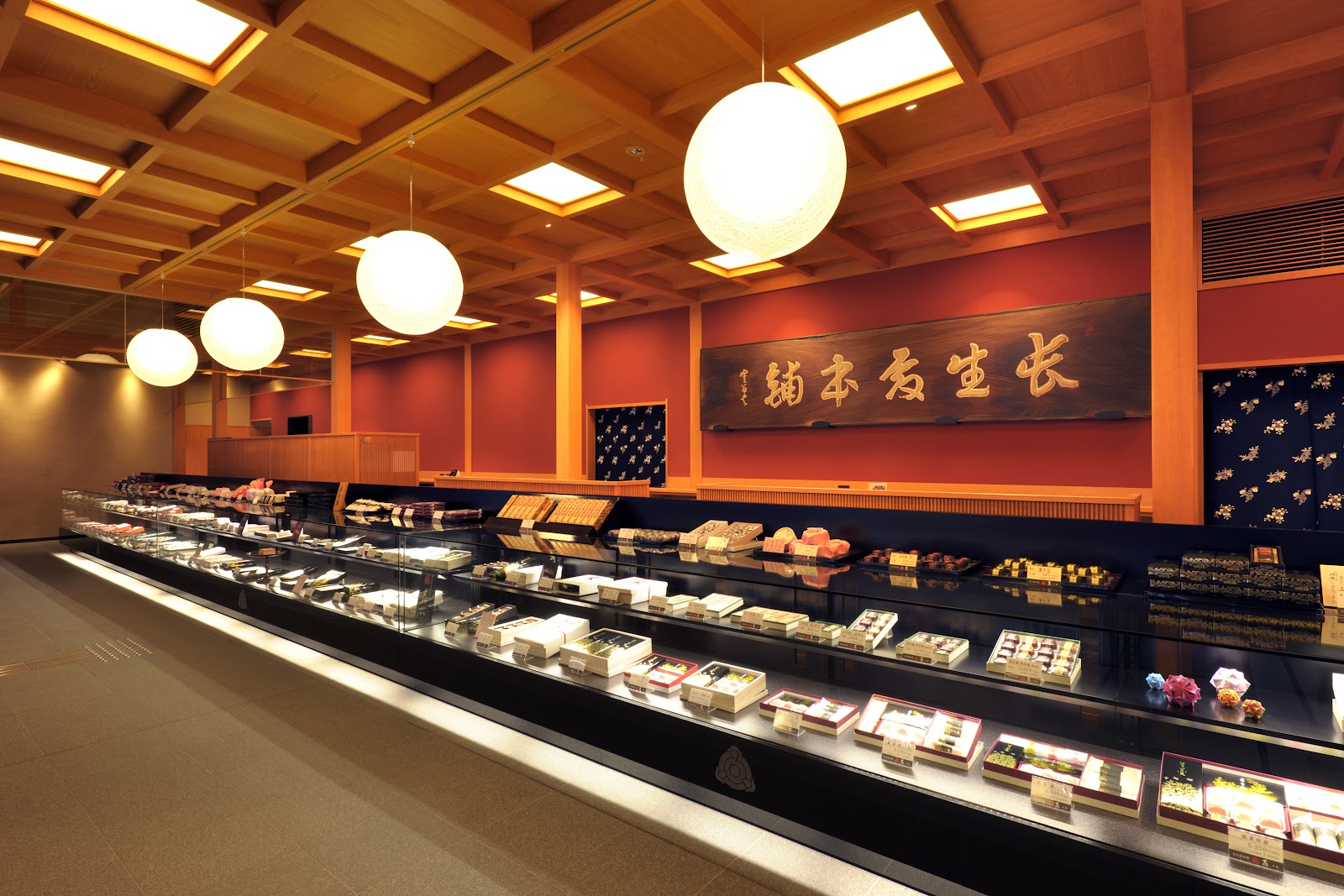
Wagashi — traditional Japanese sweets — are as much about season and ceremony as about sugar. They evolved hand in hand with the tea ceremony, which the culture-loving Maeda lords cultivated intensely, and they are designed to be small, beautiful and quietly restrained in sweetness. Morihachi's signature is 'Choseiden', a refined rakugan made from pressed wasanbon sugar and rice flour, historically presented as tribute and still sold in elegant boxes today. The shop's seasonal namagashi — fresh, jewel-like sweets shaped as plum blossoms, maple leaves or drifts of snow — change through the year and are meant to be admired as much as eaten, ideally with a bowl of matcha.
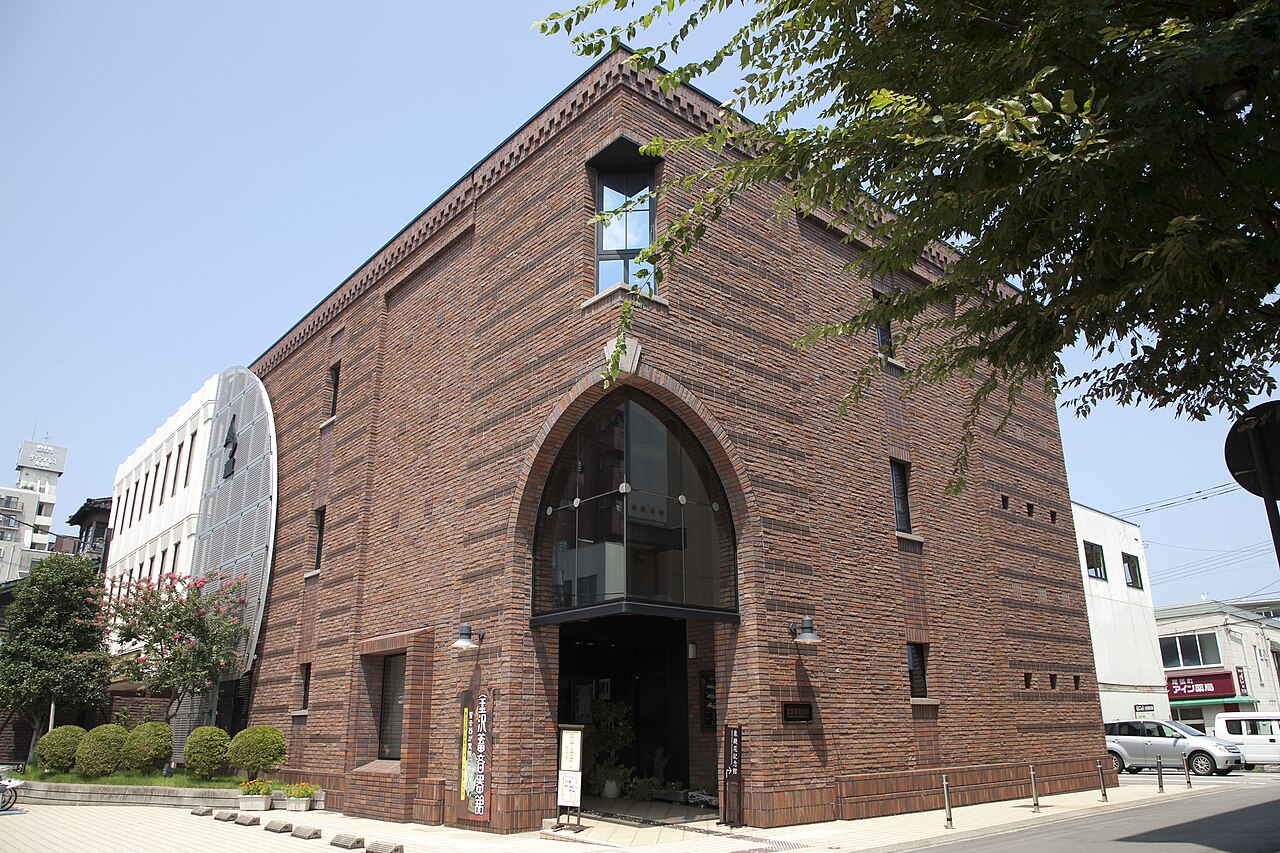
The Otemachi main store, a short walk north of Kanazawa Castle, is far more than a shop counter. Upstairs sits a small but fascinating museum, the Morihachi Kashigata Bijutsukan, displaying centuries of antique wooden sweet moulds (kashigata) carved with cranes, tortoises, flowers and family crests — the tools that gave old wagashi their intricate shapes. The moulds are miniature works of art in themselves and reveal how much craftsmanship goes into a single pressed sweet. There is also a tearoom where you can pause over a freshly whisked matcha paired with a seasonal sweet, an ideal quiet break between castle and garden sightseeing.
What makes Morihachi such a satisfying stop is the way it lets you taste history directly. These are not tourist novelties but genuine court sweets, made by the same house, to recipes refined over generations. The staff are welcoming to overseas visitors and used to explaining which sweets are gifts, which are best eaten the same day, and which will survive the journey home. Boxed rakugan and higashi keep well and make some of the most tasteful souvenirs you can carry out of Kanazawa.
The store is open daily and centrally located, making it easy to fold into any itinerary through the castle district. Cherry-blossom season and autumn each bring their own limited seasonal sweets, so repeat visits reward you with different designs. Allow around forty-five minutes to browse the shop, see the mould museum and enjoy a tea. For travellers curious about why the tea ceremony and the sweet arts took such deep root in this refined castle town, Morihachi offers the most delicious possible explanation — a nearly four-century-old link between the Kaga lords, the way of tea and the delicate craft of Japanese sweets.
A local's tip
Buy a box of 'Choseiden' rakugan — the pressed-sugar-and-rice sweets that were once tribute to the Maeda lords — and visit the small kashigata museum of antique wooden sweet moulds upstairs.
Best time to visit
Daytime; pair with a matcha and sweet in the tearoom
Getting there
From Kanazawa Station take a bus toward Kenroku-en/Katamachi and alight near Hashiba-cho or Otemachi (about 10 minutes), then walk a few minutes. It is roughly 10 minutes on foot north of Kanazawa Castle's Ote-mon gate.
Good to know
- Shop
- Museum
- Tearoom
- Restrooms
Plan the whole trip offline
Morihachi Main Store is one of many places in the Real Japan app — with turn-by-turn directions, nearby spots and full offline maps you can use with no signal.