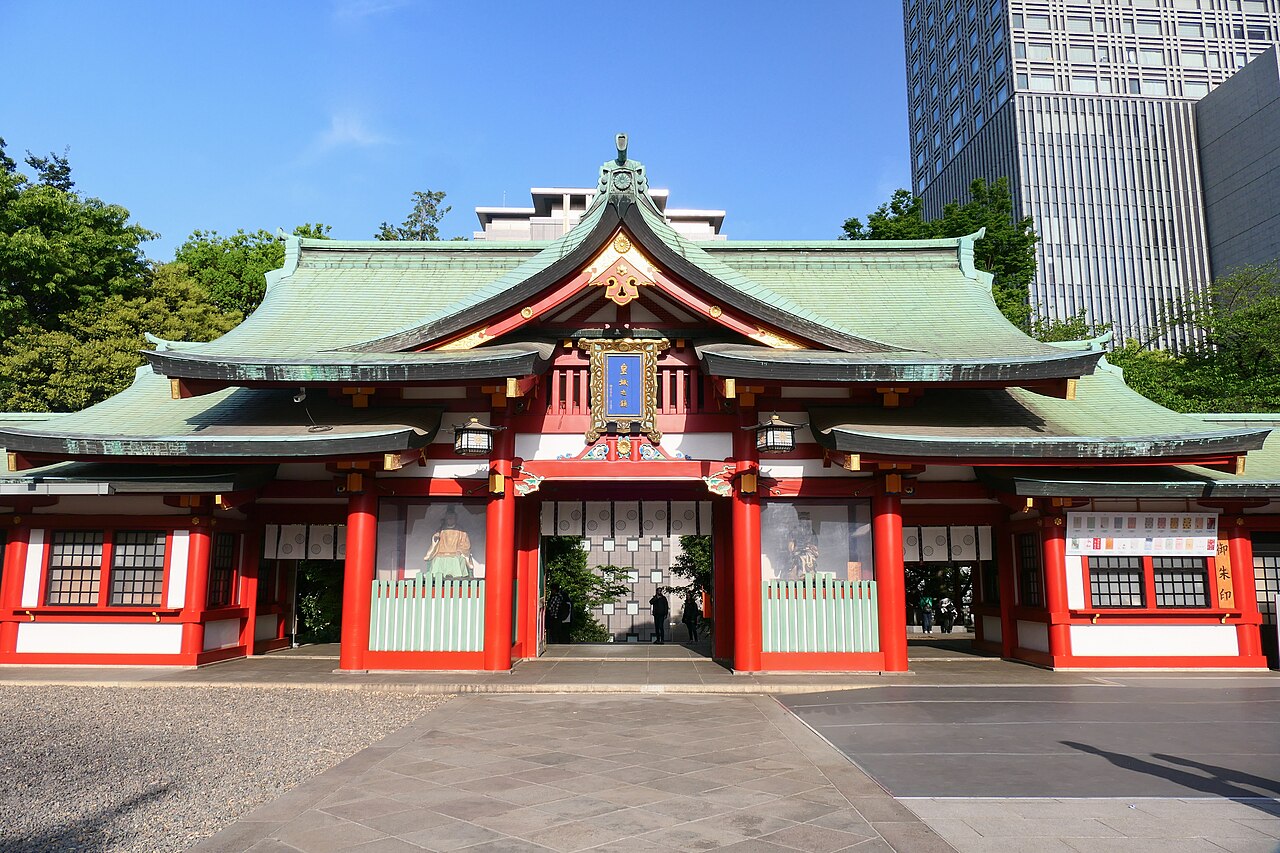
Guardian shrine of southern Takayama and home of the Spring Sanno Festival, set among towering ancient cedars below Shiroyama.
Hie Shrine — known affectionately by locals as Sannō-sama — is the guardian shrine of southern Takayama and the counterpart to Sakurayama Hachimangu in the north. Where Hachimangu presides over the Autumn Festival, Hie Shrine is the heart of the Spring Takayama Festival, the Sannō Matsuri, held every April 14 and 15. Together the two festivals form the celebrated pair that has made Takayama's float culture famous, and this shrine's parish covers the southern half of the historic town.
The shrine enshrines Ōyamakui-no-kami, the mountain deity of the Sannō (Hie) faith that spread from Mount Hiei near Kyoto. Its ties to Takayama run through the town's founding samurai: the Kanamori lords, who built Takayama Castle on the adjacent Shiroyama hill in the late 16th century, adopted Hie Shrine as a protective shrine for the castle and the southern town. That connection is why the shrine sits exactly where it does, tucked against the wooded slope below the old castle ruins.
The Spring Festival is the shrine's great moment. Twelve elaborately decorated yatai floats are wheeled out and displayed through the southern streets, several equipped with karakuri puppets that perform to music and drums before crowds gathered at the shrine. As at the autumn festival, the floats are illuminated for an evening procession, lanterns glowing against the still-bare spring branches and, in a good year, the first cherry blossoms. The festival, like its autumn twin, is inscribed by UNESCO as Intangible Cultural Heritage.
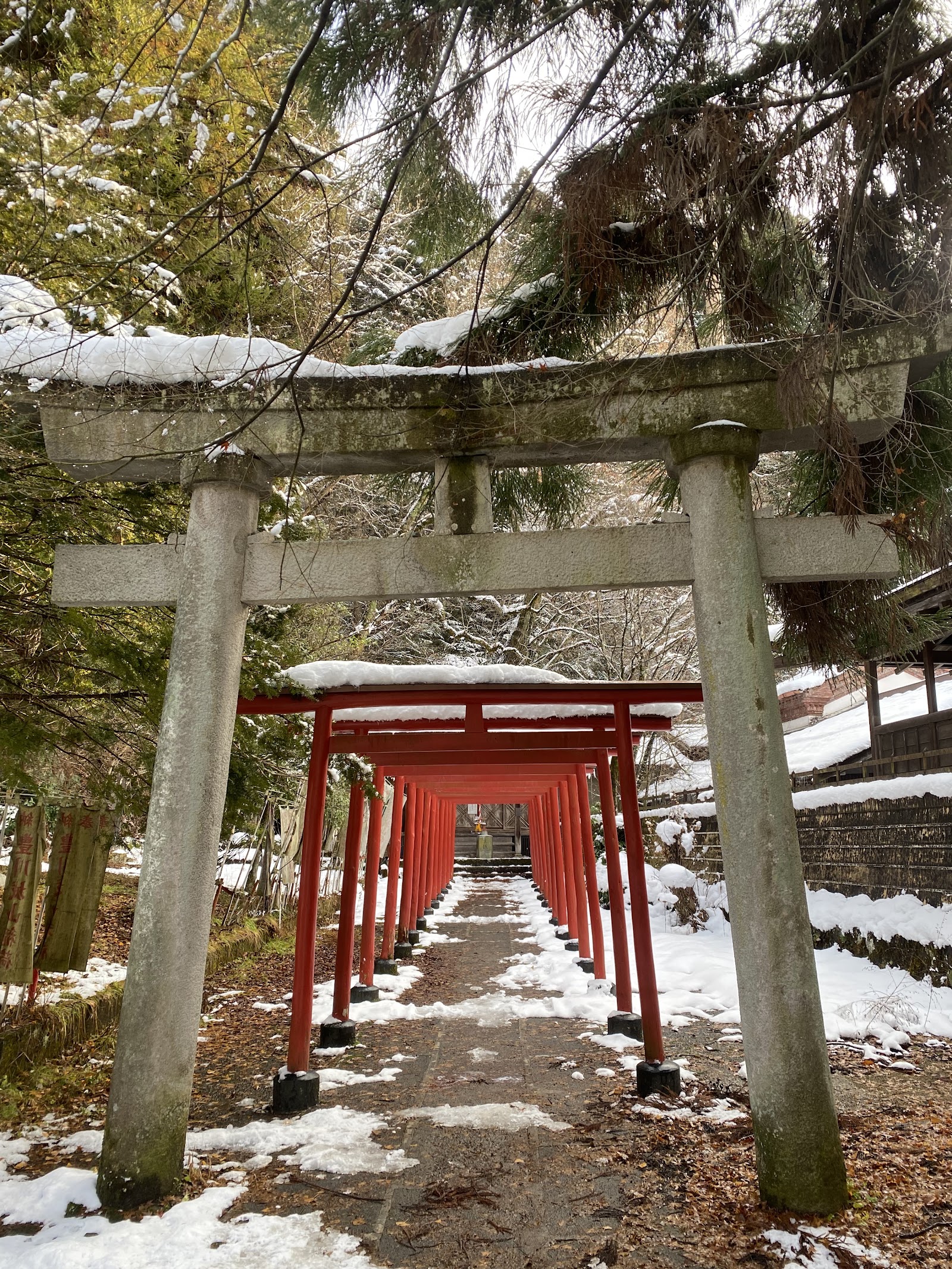
Outside the festival, Hie Shrine offers something quieter and, for many, just as memorable: its trees. The precinct is shaded by enormous sacred cedars (sugi), several of them centuries old and ranked among the largest trees in central Takayama, their trunks bound with the white paper streamers that mark them as sacred. Walking up the stone approach beneath these giants, with the forested Shiroyama rising behind, the noise of the town falls away entirely. It is one of the most naturally beautiful shrine settings in the city.
Admission is free and the grounds are open to wander at any time. Allow around 40 minutes to climb the approach, pay respects at the main hall, and take in the great cedars. Spring is the signature season — for the festival and for the cherry and fresh green on Shiroyama — but autumn brings fine maple color to the hillside, and a snowy winter morning here is deeply peaceful.
The shrine sits about a 20-minute walk south of Takayama Station, at the base of Shiroyama Park. That location makes it a natural pairing with the castle ruins on the hill above and with Shōren-ji temple nearby, and it forms the southern anchor of a walking route that can carry you up over Shiroyama and around to the Higashiyama temple district. For travelers who want to feel Takayama's living traditions rather than just photograph its streets, standing in this grove of ancient cedars — imagining the spring floats rolling by — is time well spent.
A local's tip
Seek out the shrine's giant sacred cedars — several are centuries old and among the tallest trees in central Takayama.
Best time to visit
April 14–15 for the Spring Festival; otherwise a quiet morning
Getting there
About a 20-minute walk south from JR Takayama Station, at the foot of Shiroyama hill on the southern edge of the old town; a short taxi ride if you prefer.
Good to know
- Parking
- Restrooms
Plan the whole trip offline
Hie Shrine (Sanno Shrine) is one of many places in the Real Japan app — with turn-by-turn directions, nearby spots and full offline maps you can use with no signal.