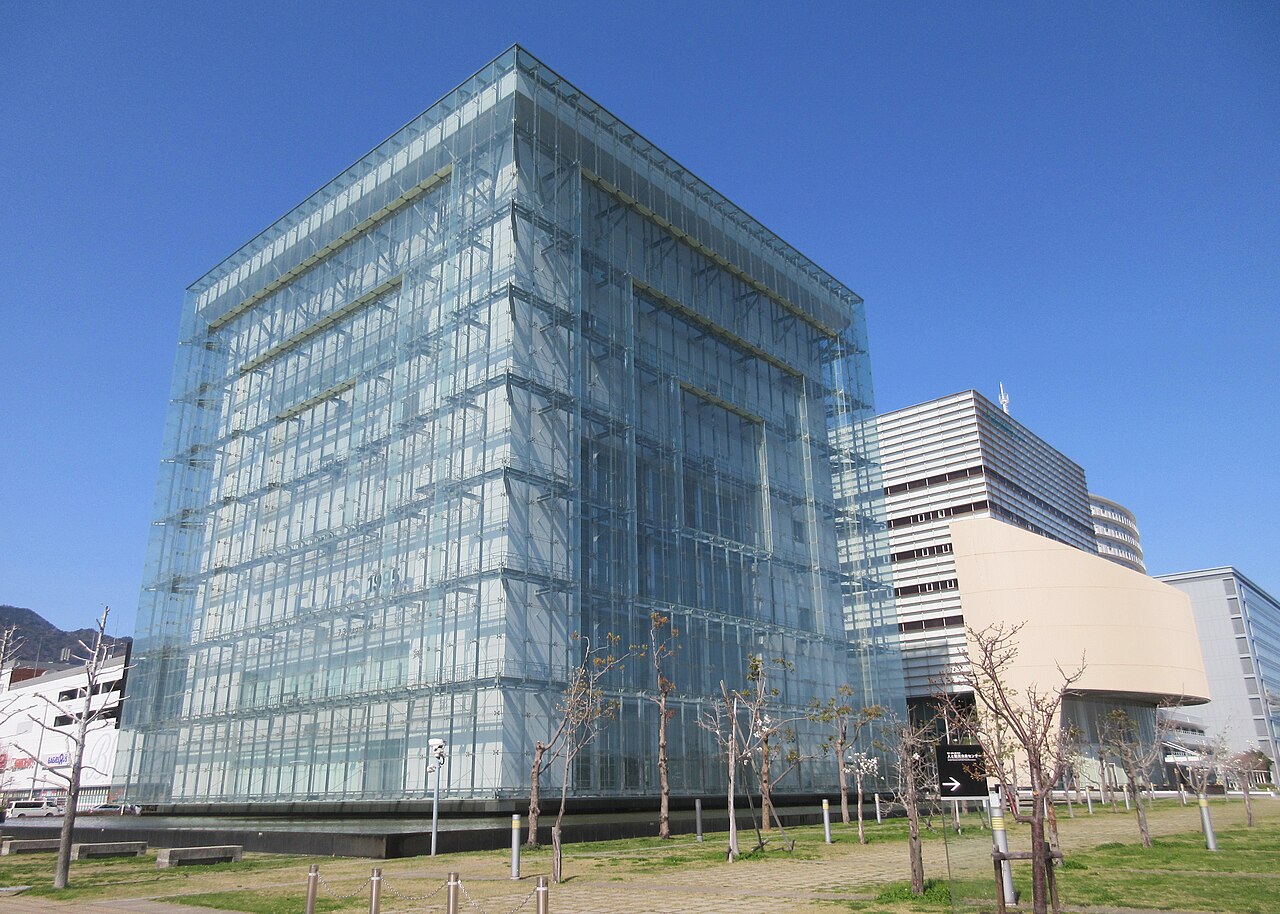
Moving memorial museum on the 1995 Great Hanshin earthquake, blending survivor testimony with disaster-preparedness science.
On 17 January 1995, a magnitude 7.3 earthquake struck beneath the Kobe area, killing more than 6,400 people, destroying tens of thousands of buildings and reshaping the city forever. The Disaster Reduction and Human Renovation Institution — often shortened to DRI, and known in Japanese as 'Hito to Bosai Mirai Center' — was built at HAT Kobe to preserve the memory of that day and to turn its lessons into knowledge that can save lives elsewhere. Opened in 2002, it is one of the most affecting museums in Japan.
The visit is carefully sequenced. Most people begin at the top of the main building with a large-screen film that re-creates, with startling force, the instant the quake struck a sleeping city before dawn — the shaking, the collapse, the fires that followed. A second theatre then tells the human story of the days and years afterward through the eyes of survivors. Descending through the floors, you pass a preserved streetscape of rubble, salvaged objects, and detailed exhibits on how the disaster unfolded and how Kobe rebuilt. The tone is never sensational; it is sober, dignified and deeply human, and many visitors find themselves moved to tears.
What sets the DRI apart from a pure memorial is its forward-looking mission. The lower floors function as a serious centre for disaster science and preparedness, with hands-on displays on earthquakes, tsunamis and how buildings fail, and practical guidance on what households and communities can do to survive future events. Volunteer storytellers, many of them survivors themselves, are often on hand to share first-hand accounts — a rare and powerful chance to hear history directly from those who lived it. The institution also trains disaster-response professionals and houses a research library, so it is a working centre as well as a museum.
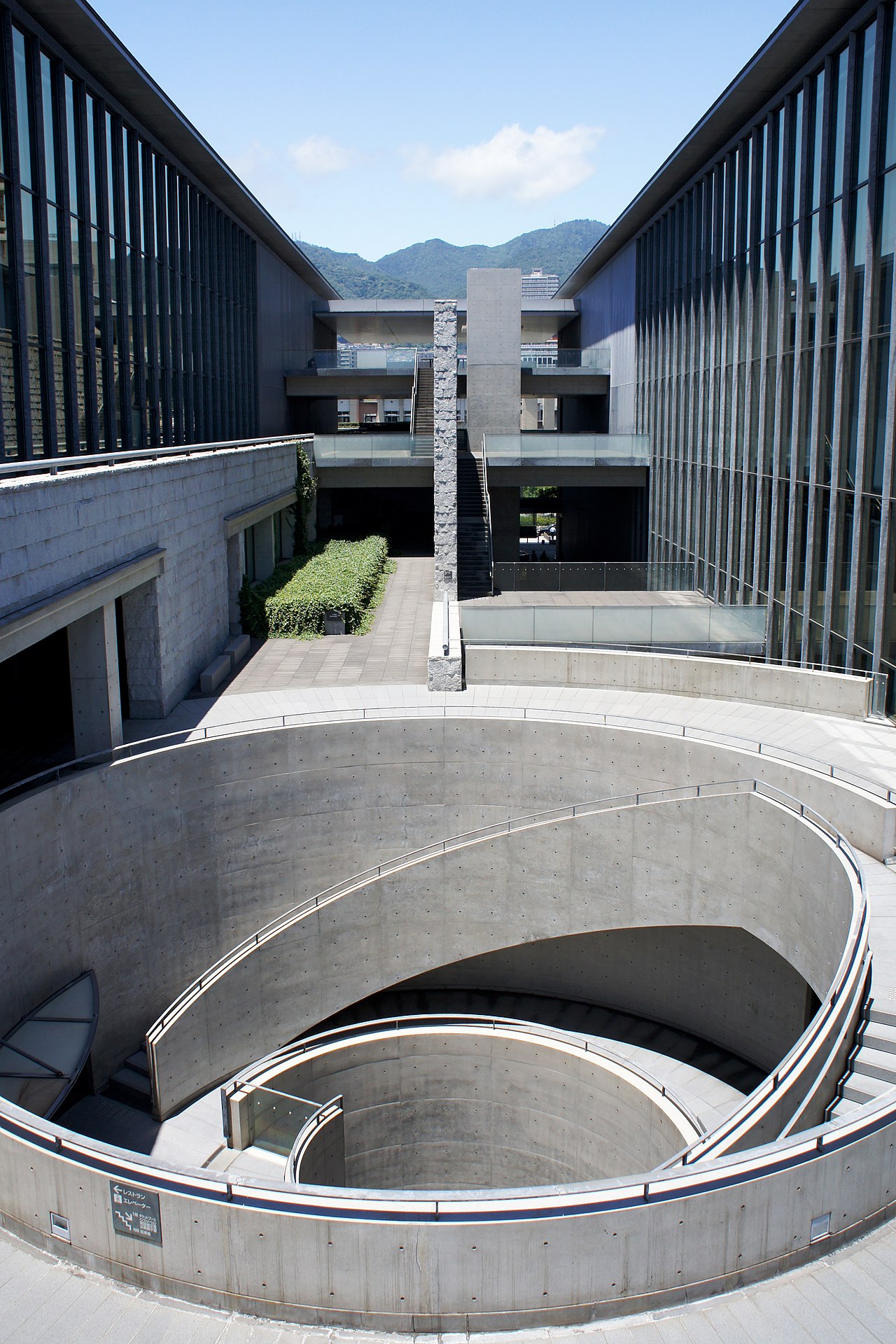
The building sits on the HAT Kobe waterfront beside the Hyogo Prefectural Museum of Art, both part of the planned district created during the city's reconstruction, so a visit can naturally be paired with the neighbouring art museum for a half-day that moves from remembrance to renewal. English-language audio guides and panels make the exhibits accessible to international visitors, and the whole building is step-free and fully wheelchair accessible.
Practically, it is a ten-minute walk from Iwaya Station on the Hanshin Main Line or about twelve minutes from JR Nada; a community bus also serves HAT Kobe. Because the closest stations are on the Hanshin and connecting lines, a Japan Rail Pass does not cover the final approach, but IC cards work throughout. Admission is modest, and allowing ninety minutes lets you absorb the exhibits without rushing.
This is not a light attraction, and it is best approached in a reflective frame of mind. But for anyone who wants to understand modern Kobe — a city that was flattened and then rebuilt itself with remarkable resolve — the DRI is essential and unforgettable. It stands as both a tribute to those who died and a practical gift to future generations who may one day face their own disaster.
A local's tip
Start on the top floor with the powerful re-enactment film of the moment the quake struck, then work downward — the sequence is designed to be experienced in that order.
Best time to visit
Anytime; allow a quiet, reflective visit
Getting there
At HAT Kobe on the eastern waterfront, a 10-minute walk from Iwaya Station on the Hanshin line or about 12 minutes from JR Nada, next to the Hyogo Prefectural Museum of Art.
Good to know
- Wi-Fi
- Restrooms
- Museum shop
- Wheelchair access
Plan the whole trip offline
Disaster Reduction and Human Renovation Institution is one of many places in the Real Japan app — with turn-by-turn directions, nearby spots and full offline maps you can use with no signal.