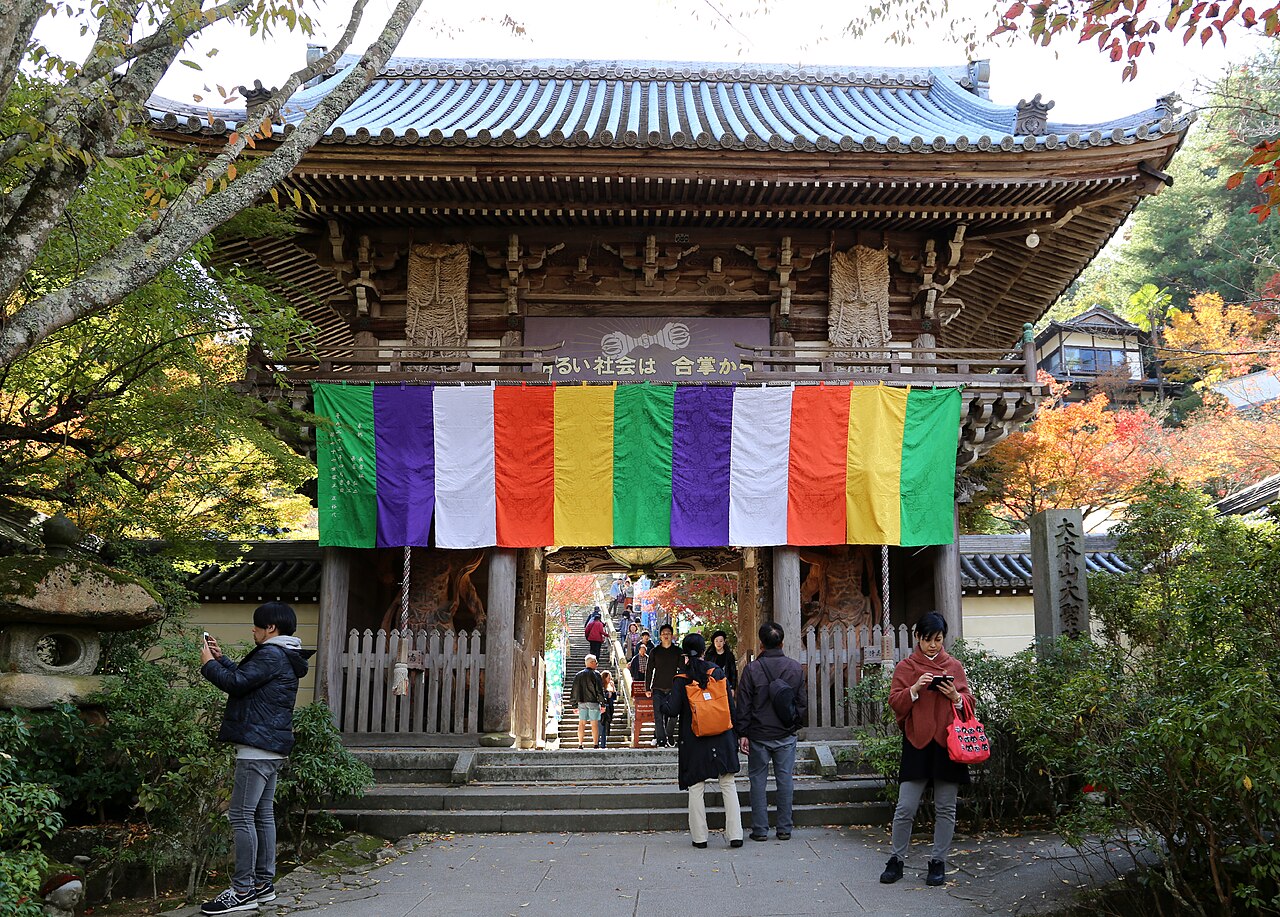
Miyajima's atmospheric mountainside Shingon temple, layered with sutra wheels, caverns and playful statues.
Daisho-in, spread across the lower slopes of sacred Mount Misen on Miyajima, is the island's most important Buddhist temple and, for many visitors, its quiet highlight, a complete contrast to the crowds down at Itsukushima Shrine. It belongs to the Omuro school of Shingon Buddhism and, by tradition, was founded in 806 by Kukai (Kobo Daishi), the towering figure who introduced esoteric Shingon teaching to Japan after his return from China. That association makes the temple a place of deep pilgrimage significance as well as great charm.
The approach sets the mood at once. A steep stone staircase rises from the Niomon gate, and along its central handrail runs a line of revolving metal cylinders inscribed with Buddhist sutras; spinning them as you climb is believed to earn the merit of having read the scriptures inside. Beyond lies a warren of halls, sub-shrines and gardens stacked up the hillside, so that exploring the temple feels like a gentle treasure hunt rather than a single set-piece.
Among the highlights is the Henjokutsu Cave, a dim, candlelit chamber hung with 88 lanterns and enshrining sand and icons gathered from all 88 temples of the Shikoku pilgrimage; walking through it is said to confer the same blessing as completing that famous circuit on foot. Elsewhere you will find the Maniden hall with its sweeping views over the bay, a hall of 500 rakan (disciples of the Buddha) each with a different expression, and the much-photographed rows of small Jizo statues, many wearing knitted red caps and woollen hats left by visitors. Playful, mossy and endlessly detailed, the grounds reward slow wandering.
The temple also guards a flame said to have been kept burning continuously since Kukai's own religious practice more than 1,200 years ago, on the summit of Misen above. That same eternal flame was used to light the Flame of Peace in Hiroshima's Peace Memorial Park, giving Daisho-in a quiet thread of connection to the city's story of loss and renewal.
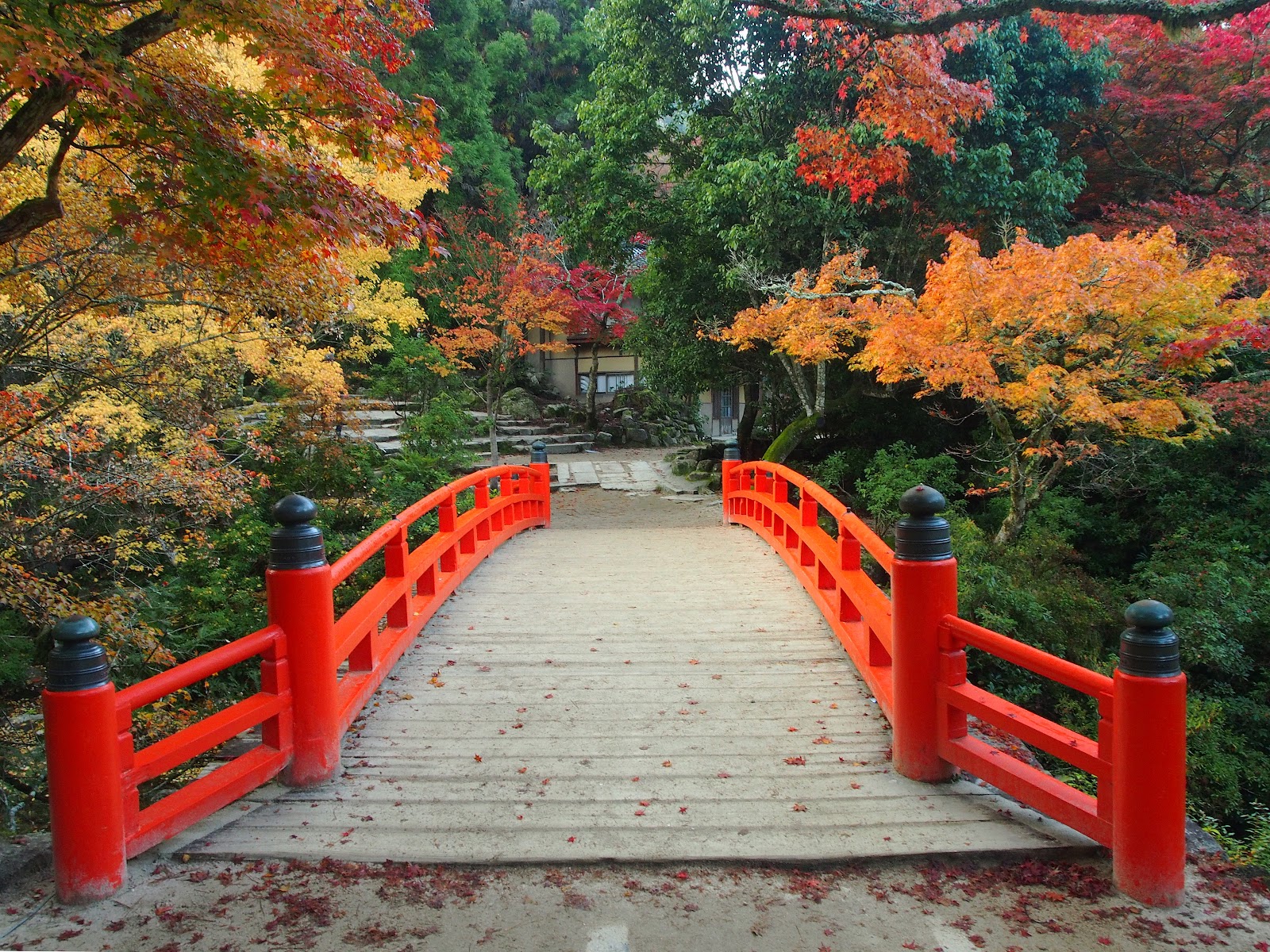
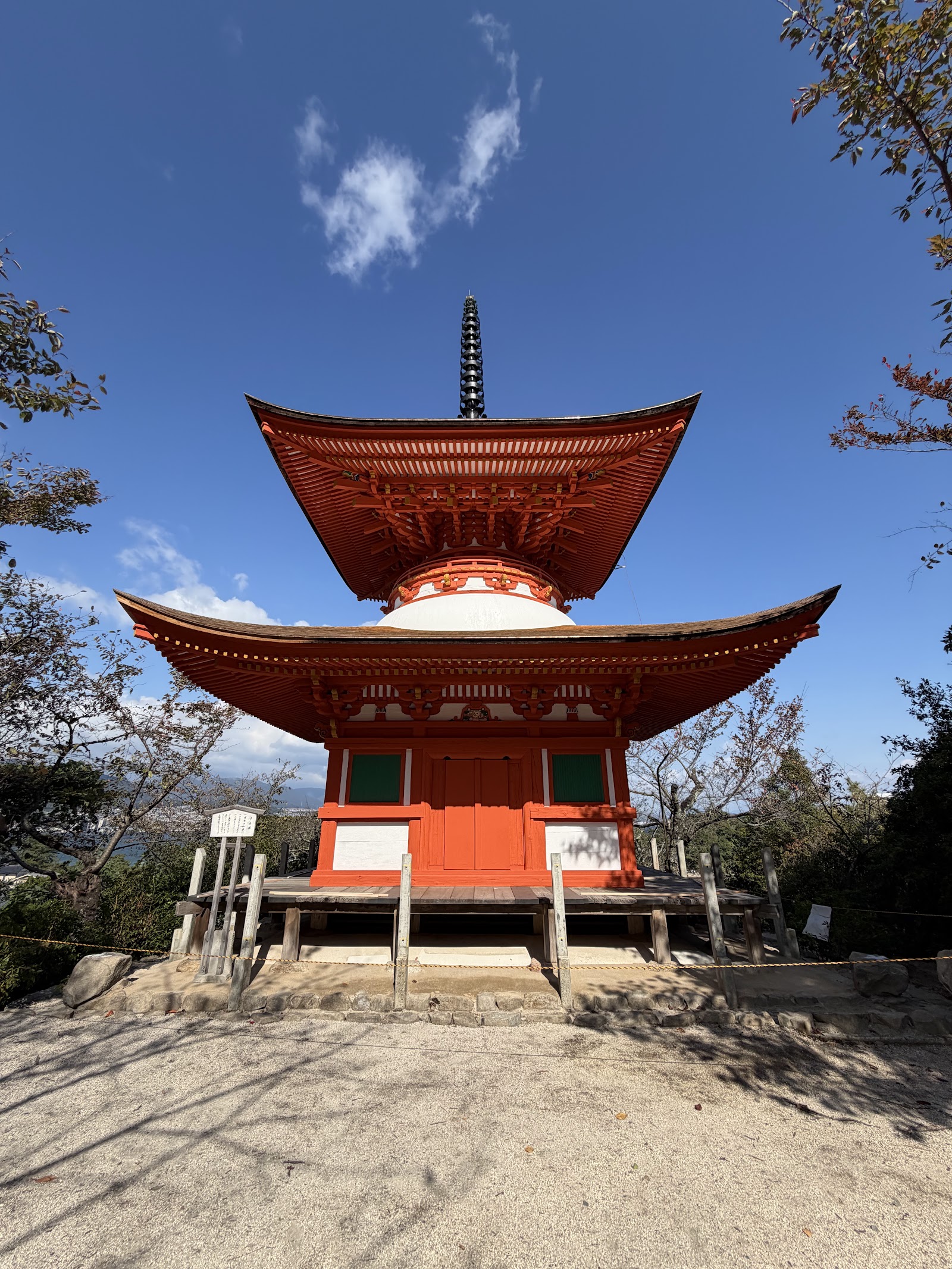
Because the temple climbs the mountain, visiting involves a fair number of steps and some gentle uphill walking, so sturdy shoes help, but the pace is unhurried and there are plenty of places to pause. Autumn is the signature season, when the maples surrounding the halls turn fiery red and orange, framing the vermilion architecture beautifully; spring and the fresh green of early summer are lovely too. Entry is free, which makes it all the more rewarding.
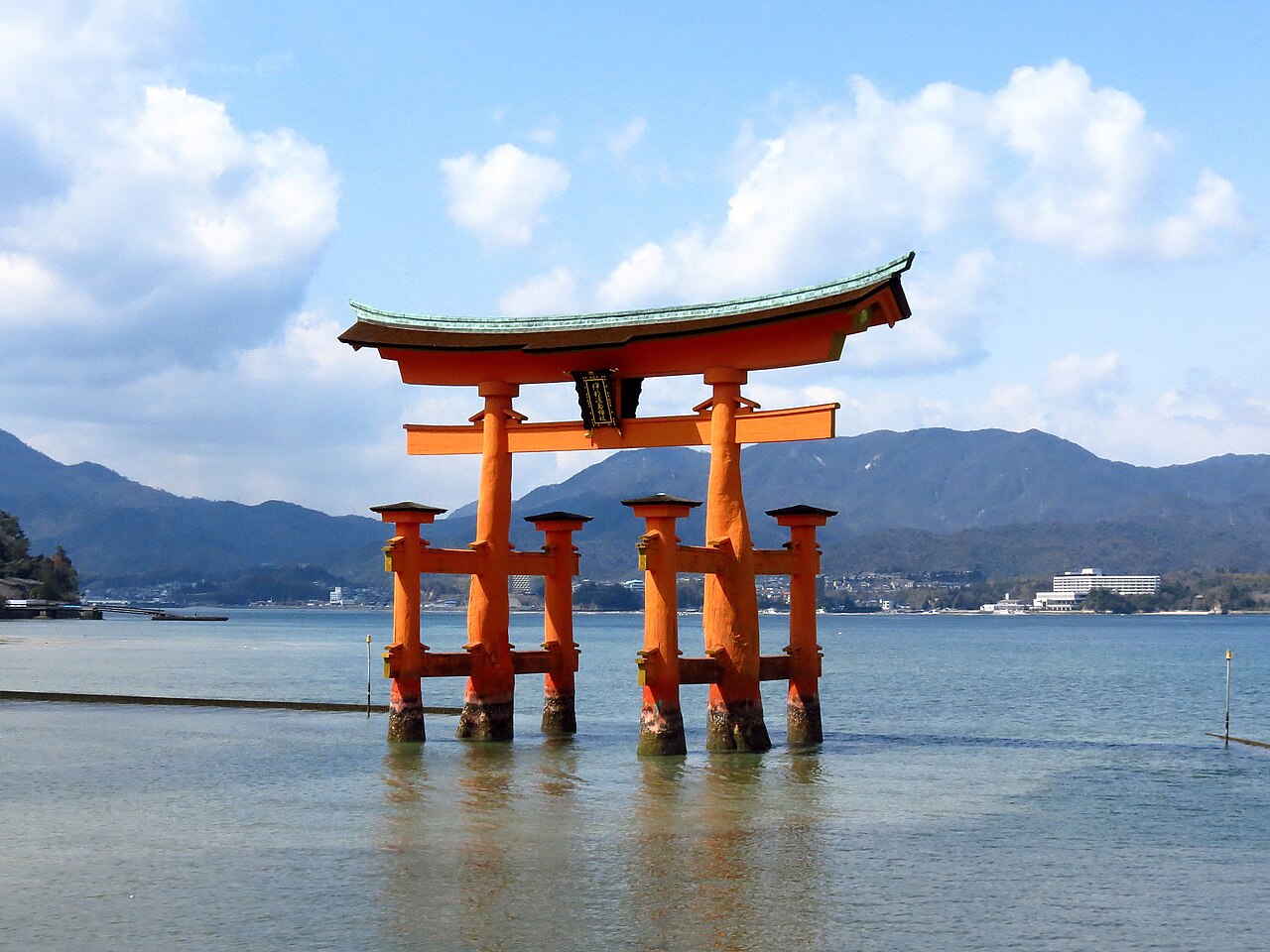
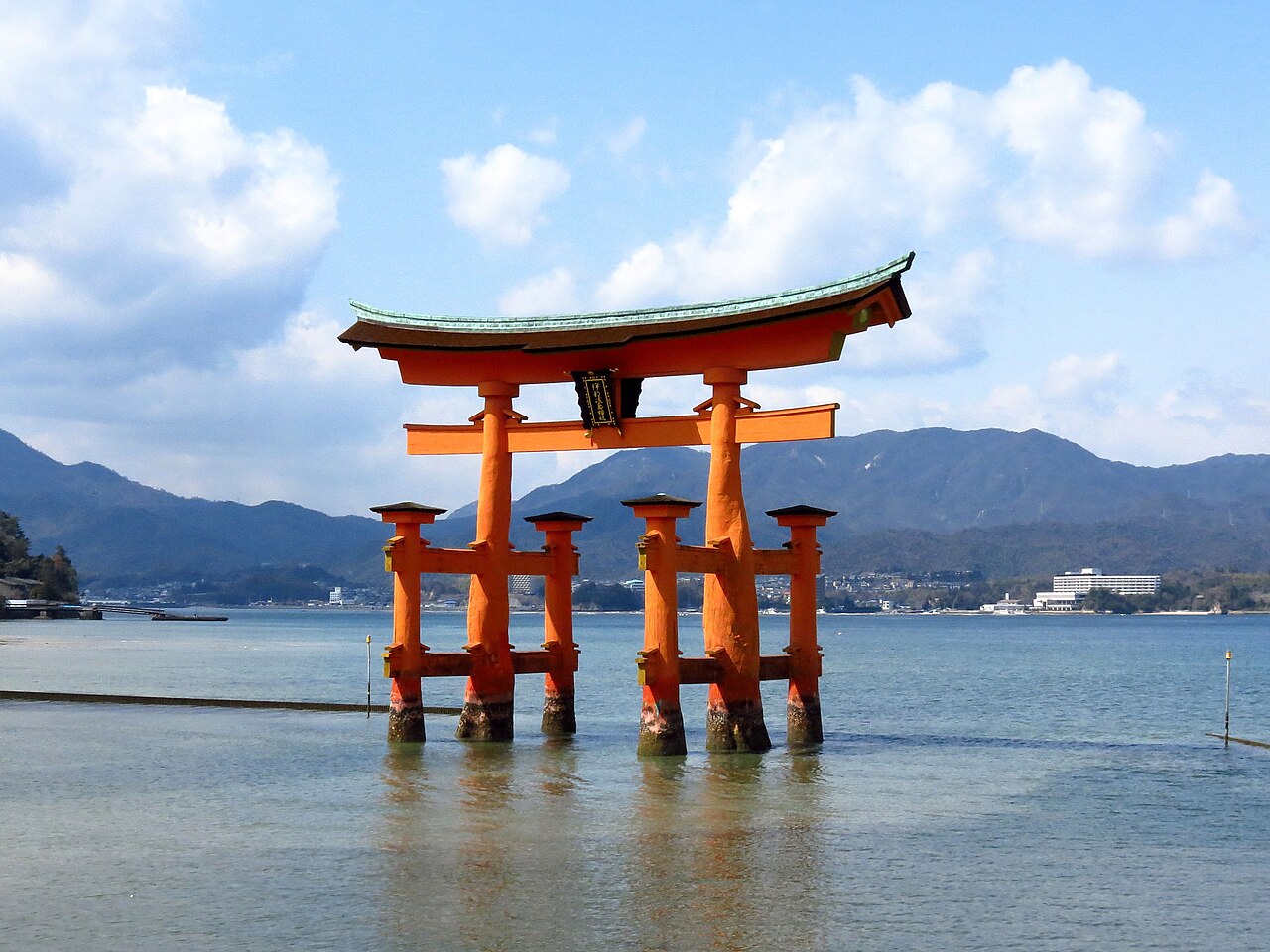
Daisho-in sits at the base of the Mount Misen hiking trails, so it pairs naturally with a climb or ropeway trip to the summit for panoramic views over the Seto Inland Sea. Reach Miyajima by the Rail-Pass-covered JR ferry from Miyajimaguchi, then walk roughly twenty to twenty-five minutes south through the town and past Itsukushima Shrine to the temple gate. Allow about an hour to do the grounds justice, and go early to enjoy the calm before the tour groups arrive.
A local's tip
As you climb the main staircase, spin the row of metal sutra wheels along the handrail: turning them is said to grant the same blessing as reading the scriptures they contain. Look too for the hundreds of knitted-cap Jizo statues tucked along the paths.
Best time to visit
Morning, autumn for maple colour
Getting there
Cross to Miyajima by JR ferry from Miyajimaguchi (both covered by the Japan Rail Pass), then walk about 20-25 minutes south and uphill past Itsukushima Shrine to the foot of Mount Misen. The temple climbs the hillside on a series of stone staircases.
Good to know
- Restrooms
- Tea service
Plan the whole trip offline
Daisho-in Temple is one of many places in the Real Japan app — with turn-by-turn directions, nearby spots and full offline maps you can use with no signal.