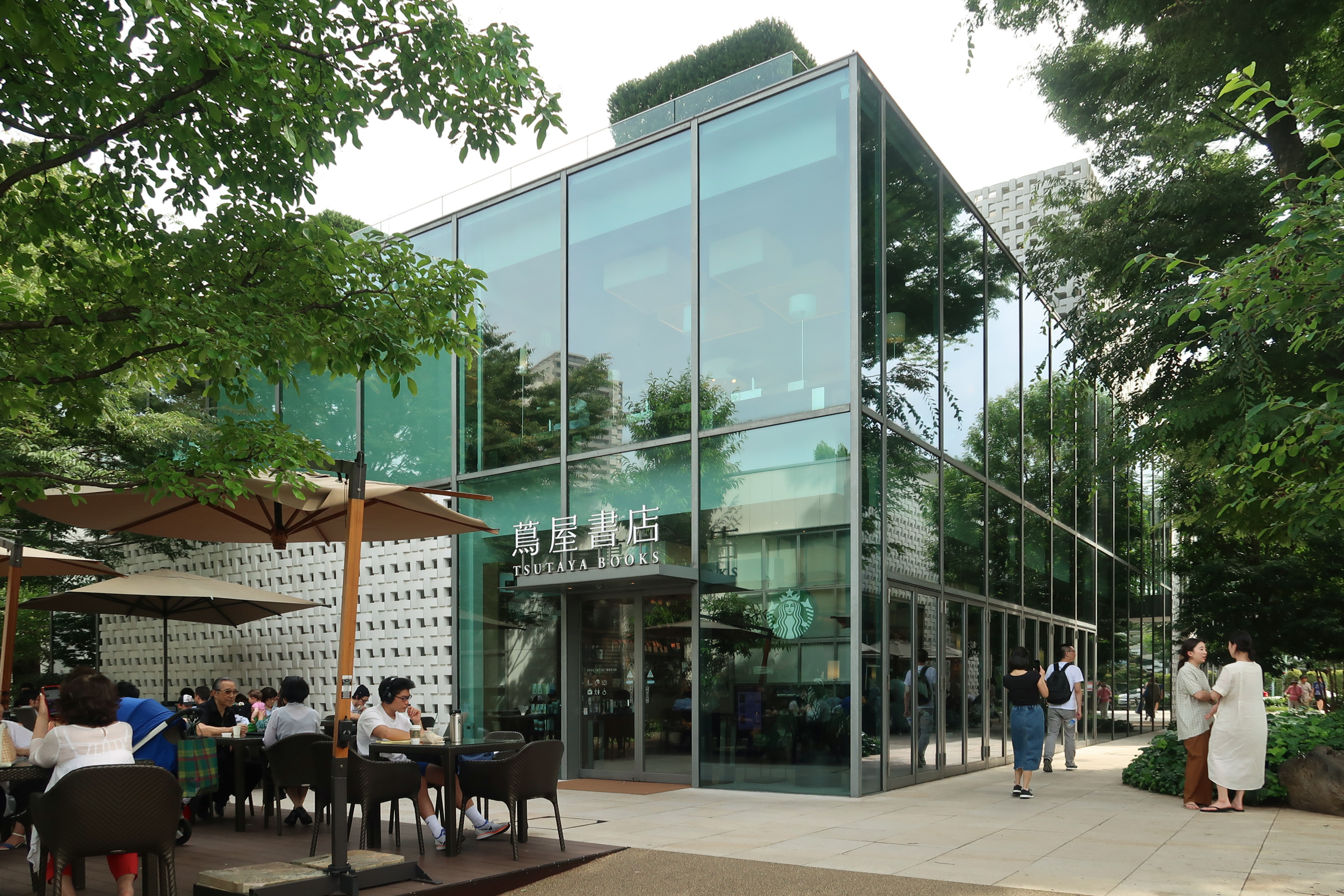
Tokyo's leafy, low-key luxury district of designer boutiques, architect-designed cafes and the famous T-Site bookstore.
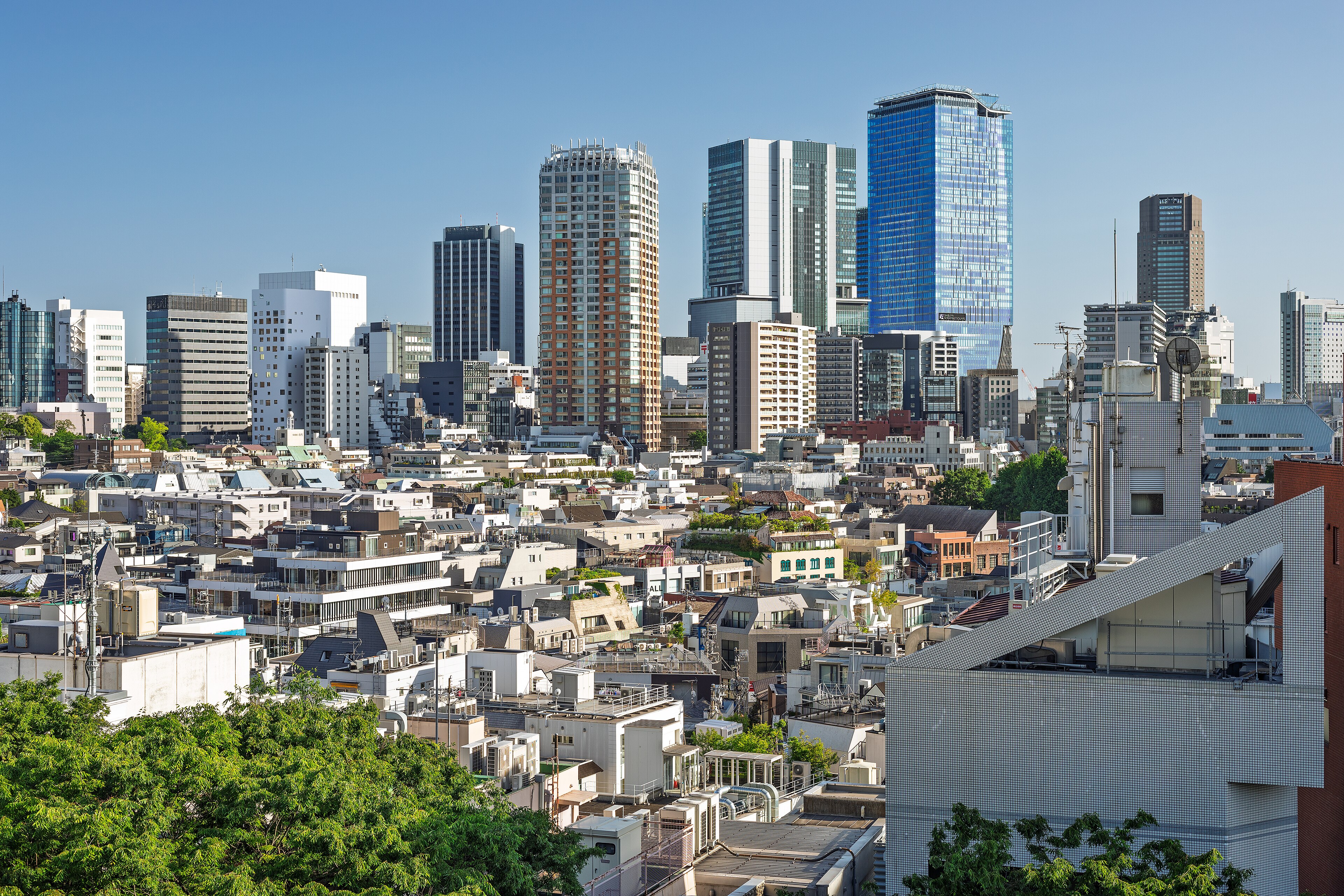
Daikanyama is often called the Brooklyn or the Beverly Hills of Tokyo, though neither comparison quite captures its particular blend of leafy calm, understated wealth, and design-consciousness. Perched on a gentle hill between bustling Shibuya and canal-side Nakameguro, this small, affluent district trades neon and crowds for tree-lined streets, low-rise architecture, and a refined, grown-up sensibility. It is where fashionable Tokyoites come to shop, sip coffee, and be seen without any of the frenzy that defines much of the city.
The district's character was set in part by Hillside Terrace, a celebrated low-rise residential-and-commercial complex developed over decades by the architect Fumihiko Maki, whose human-scaled, elegant modernism gave Daikanyama its template: buildings that defer to greenery and pedestrians rather than dominating them. That ethos carries through the whole neighbourhood, which is dense with independent fashion boutiques, homeware and design stores, galleries, patisseries, and some of Tokyo's most stylish cafes, many of them architect-designed and spilling onto planted terraces.
Daikanyama's single most famous landmark is the T-Site, an acclaimed bookstore-and-lifestyle complex built around three interlocking pavilions whose facades are woven from a lattice of interlocking 'T' shapes. More than a shop, it is a destination in its own right: a vast, beautifully lit space for books, magazines, music, and film, with a second-floor lounge where visitors can settle into an armchair and read over coffee for hours. Architecture and design enthusiasts make pilgrimages here, and it anchors the district's identity as a haven for the creative and the discerning.
Beyond the boutiques and the T-Site, the pleasure of Daikanyama is atmospheric. The streets are quiet and green, the pace is slow, and the whole district invites unhurried wandering, ducking into a concept store, pausing for pastry and a flat white, admiring a piece of residential architecture. It pairs naturally with a downhill walk to Nakameguro's cherry-lined river, and the two neighbourhoods are often explored together in a single relaxed afternoon.
A highlight is precisely this rarity of calm sophistication so close to the centre: within one stop of Shibuya's chaos, Daikanyama offers a genuinely tranquil, style-led experience that feels almost European.
Accessibility is easy, with a caveat: the district sits on a hill, so there are gentle slopes throughout, though nothing strenuous. Shops, cafes, and the T-Site are within a compact, walkable radius of the station. There is no admission to the district, and browsing, book-reading at the T-Site, and simply strolling all cost nothing.
The best time to visit is an afternoon, ideally combined with neighbouring Nakameguro, when the boutiques and cafes are fully open and the light suits the leafy streets.
Getting there is simple. Daikanyama Station lies one stop from Shibuya on the Tokyu Toyoko Line, and the district is also an easy fifteen-minute walk uphill from Shibuya or a short stroll from Nakameguro. Note the Toyoko Line is a private railway, so a Japan Rail Pass does not cover the ride.
A local's tip
Head straight for the Daikanyama T-Site book complex; its architecture and second-floor lounge, where you can read over coffee, are worth a visit even if you buy nothing.
Best time to visit
Afternoon, ideally paired with a walk to nearby Nakameguro
Getting there
Daikanyama Station is one stop from Shibuya on the Tokyu Toyoko Line. It is also an easy 15-minute walk uphill from Shibuya, or a short stroll from Nakameguro.
Good to know
- Wi-Fi
- Cashless
- Restrooms
Plan the whole trip offline
Daikanyama is one of many places in the Real Japan app — with turn-by-turn directions, nearby spots and full offline maps you can use with no signal.