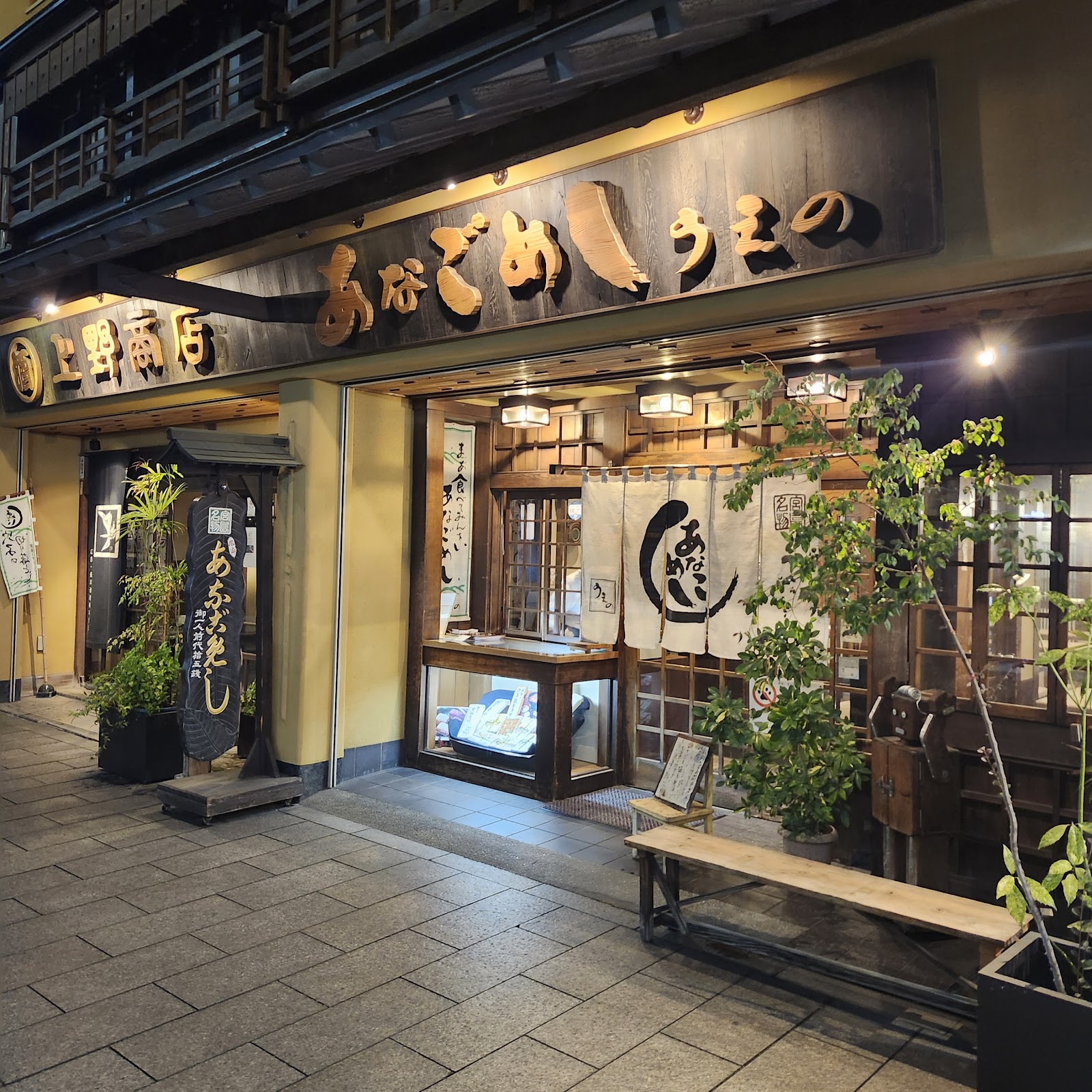
The century-old shop that invented Miyajima's anago-meshi - grilled conger eel over rice cooked in the bones' broth.
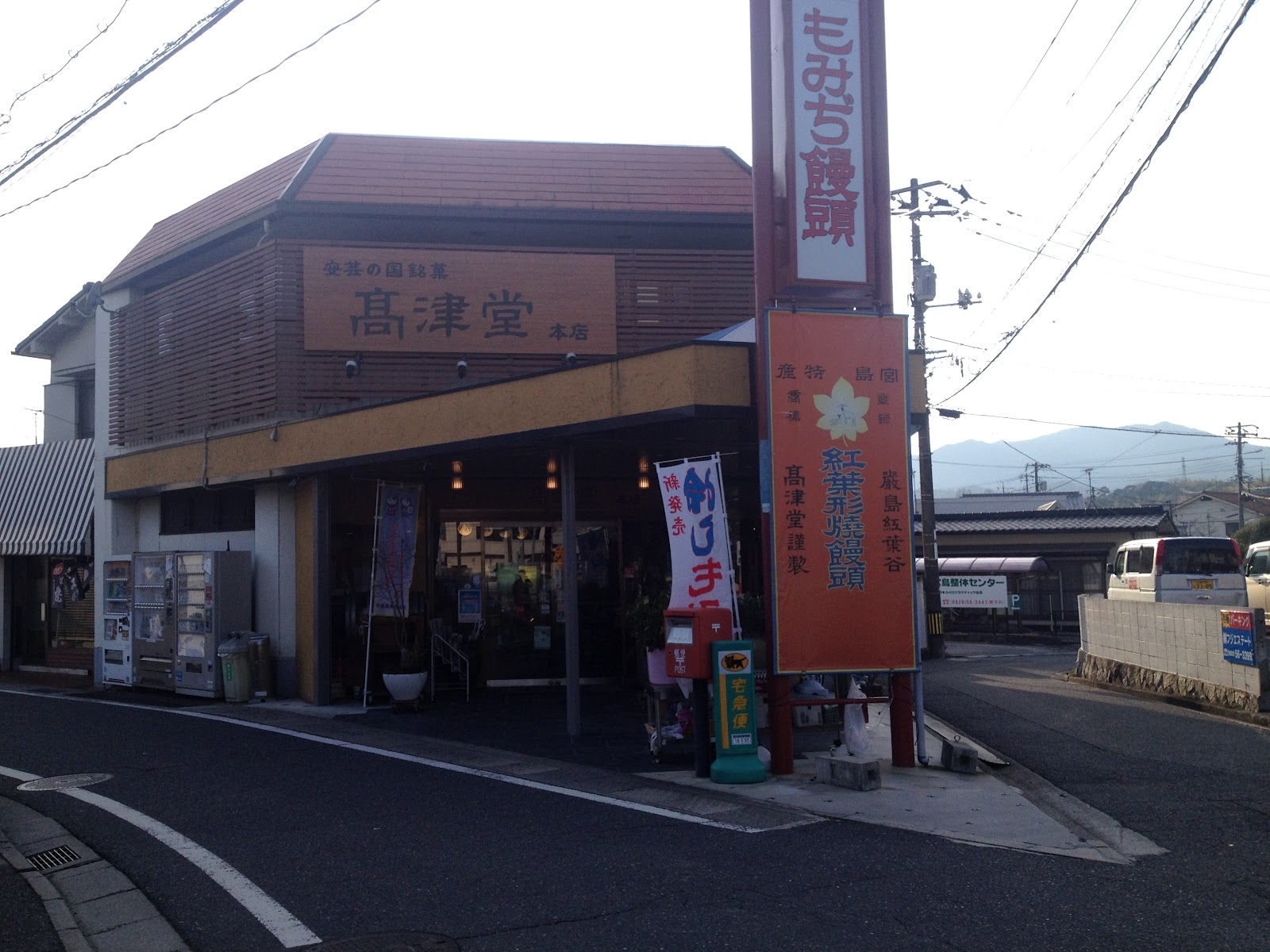
Anago-meshi Ueno is the birthplace of one of Hiroshima's most beloved dishes and a genuine piece of living food history. Founded in 1901 beside the mainland ferry point for Miyajima, this long-established shop created anago-meshi - a bed of rice cooked in the broth of conger-eel bones and topped with fillets of the eel, grilled until the skin is fragrant and the flesh is sweet and tender. More than a century later it is still run in the same spot, and it remains the benchmark against which every other anago-meshi in the region is judged.
The dish's origin is charming and very Japanese. The founder, Tanikichi Ueno, worked near the station and noticed how much locals loved simple bowls of conger eel over rice - fitting, since the waters around Miyajima have long been rich in anago. He refined the idea into a portable boxed lunch designed to be eaten on the train, and this ekiben (station bento) quickly became famous with travellers heading to and from the sacred island. That heritage means the takeaway box is not a modern convenience but the original form of the dish, and it still travels beautifully.
What makes Ueno's version special is technique built over generations. The rice is cooked with the stock rendered from the eel bones, so every grain carries a deep, savoury seafood flavour before the eel even touches it. The anago itself is grilled rather than steamed-then-grilled like Tokyo-style unagi, giving it a firmer, cleaner taste with a lightly crisp, aromatic surface and none of the heaviness of a rich kabayaki. The result is elegant and surprisingly delicate - a dish that showcases the ingredient rather than drowning it in sauce.
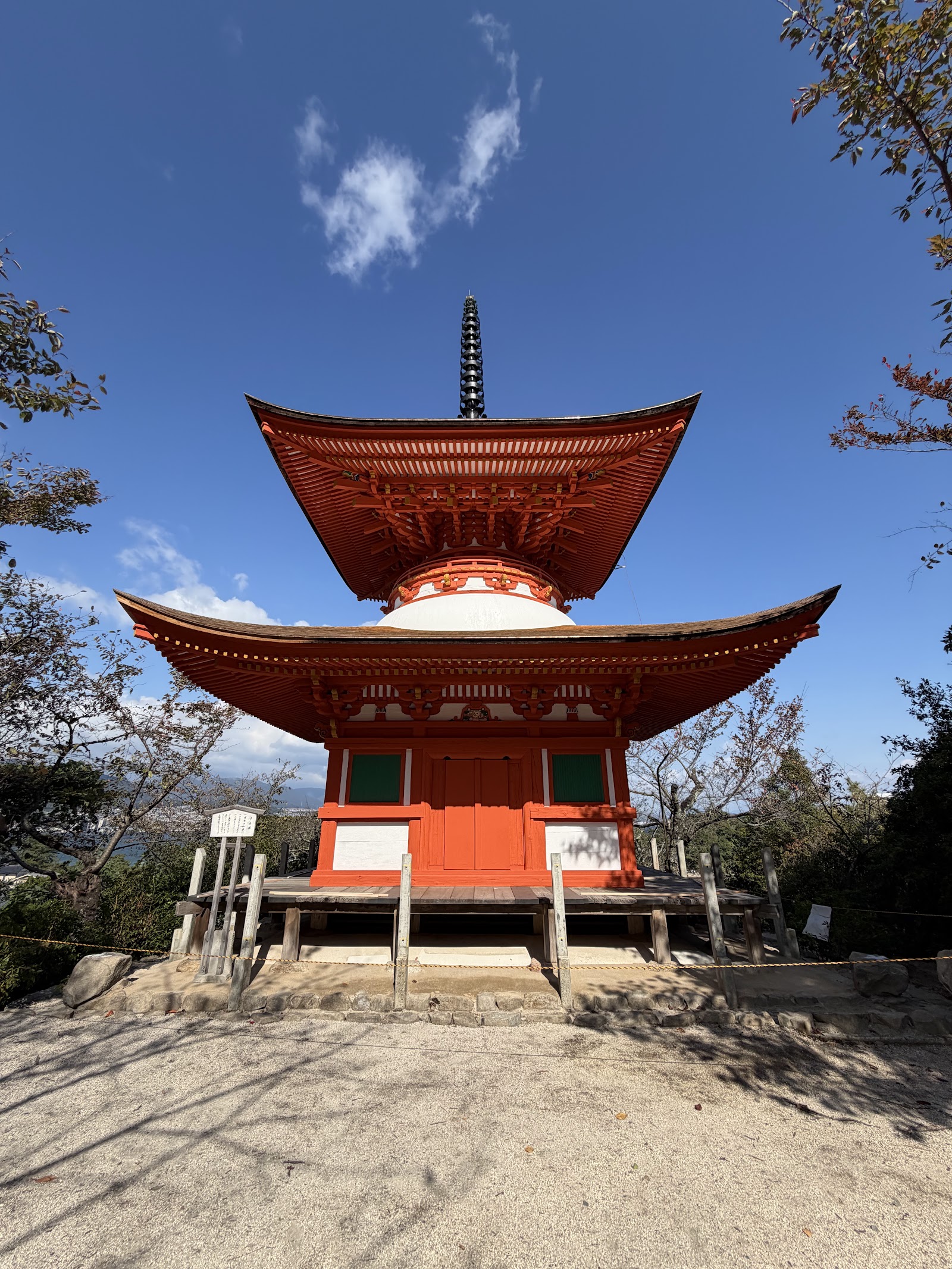
Eating here is a small event. The restaurant is compact and consistently popular, so queues for a dine-in table are common, especially at lunch and in peak seasons; the shop posts waits and works through them steadily. The reliable workaround is the bento: buy the boxed anago-meshi to take away - often available from earlier in the morning and famous for selling out - and carry it onto the ferry or over to Miyajima to eat with a view of the floating torii, exactly as train travellers have done for over a hundred years. An English menu makes ordering easy.
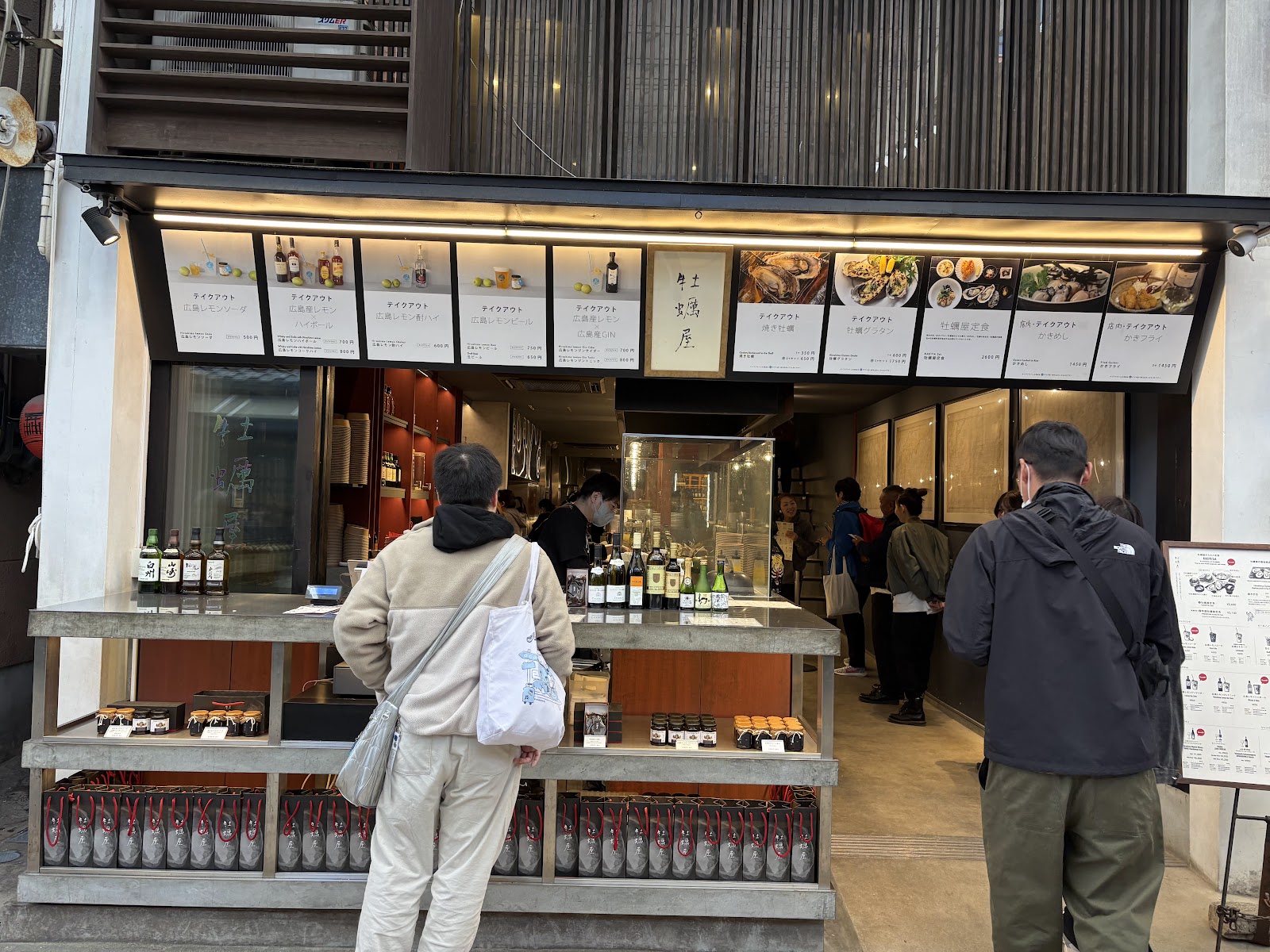
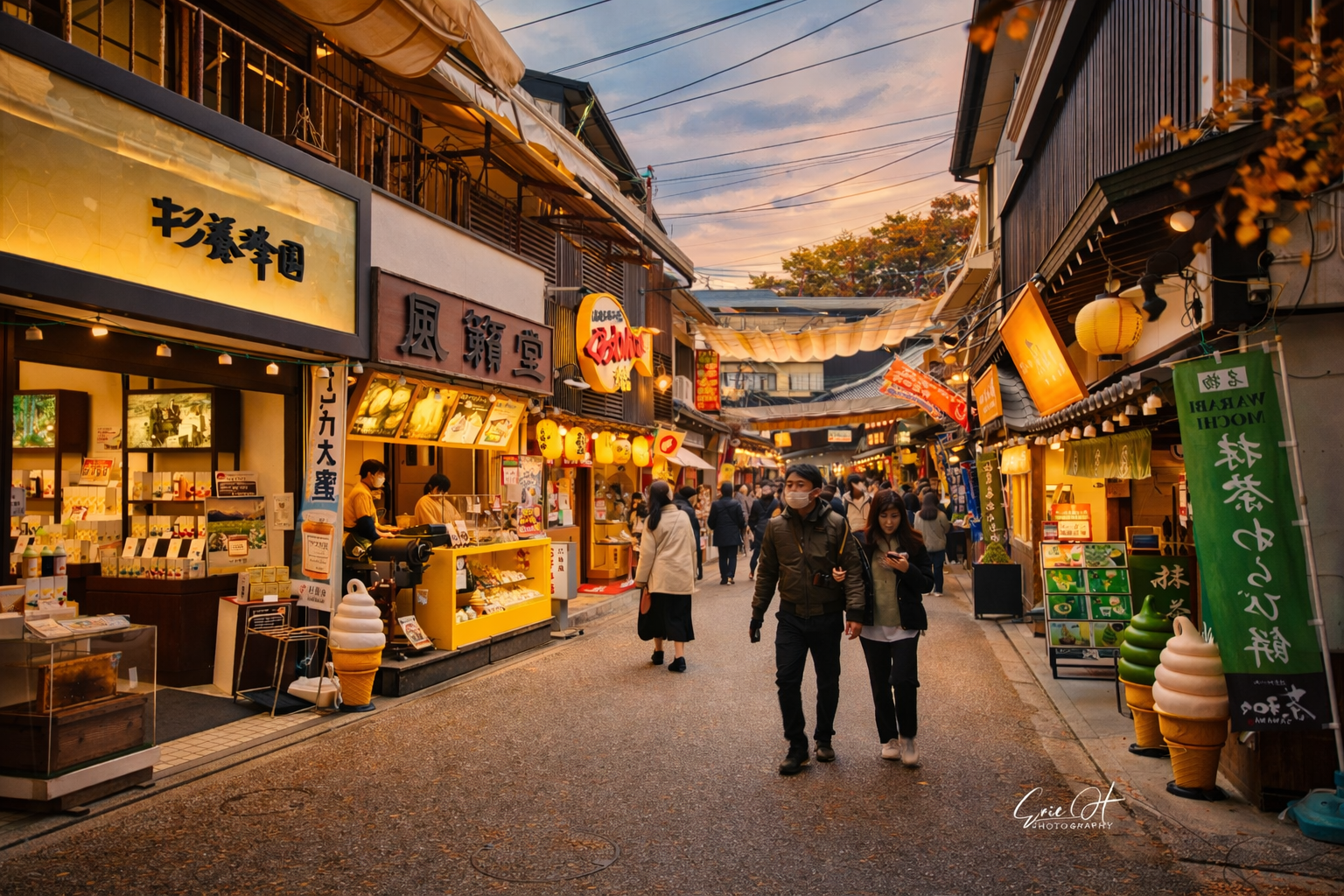
Because of its position right by Miyajimaguchi Station and the ferry terminal, Ueno fits perfectly into any Miyajima itinerary. Most visitors pass within metres of it on their way to the boat, making it an ideal first stop before crossing to the island or a last treat before the train back to Hiroshima. Pair a bowl or a bento here with a day of grilled oysters and momiji manju on the island's Omotesando street and you will have tasted the full sweep of Hiroshima's coastal cuisine.
To find it, get off at JR Miyajimaguchi (covered by the Japan Rail Pass) or the Hiroden tram terminus and walk a couple of minutes toward the waterfront ferry building; the shop stands close by. Arrive early to beat both the dine-in queue and the very real risk that the day's bento have already sold out.
A local's tip
If the dine-in queue is long, buy the famous anago-meshi bento to go and eat it on the ferry or on Miyajima with the torii in view - it was created as a train bento in the first place and travels beautifully.
Best time to visit
Early lunch or as a takeaway bento for the ferry
Getting there
Beside Miyajimaguchi Station and the ferry terminal on the mainland; walk from the JR Miyajimaguchi platform toward the waterfront and the shop is a couple of minutes away.
Good to know
- Restrooms
- English menu
Plan the whole trip offline
Anago-meshi Ueno (Miyajimaguchi Honten) is one of many places in the Real Japan app — with turn-by-turn directions, nearby spots and full offline maps you can use with no signal.