Walk through a life-size recreation of an Edo-period Osaka neighbourhood, with a timed sky that cycles from dawn to a thunderstorm at night.
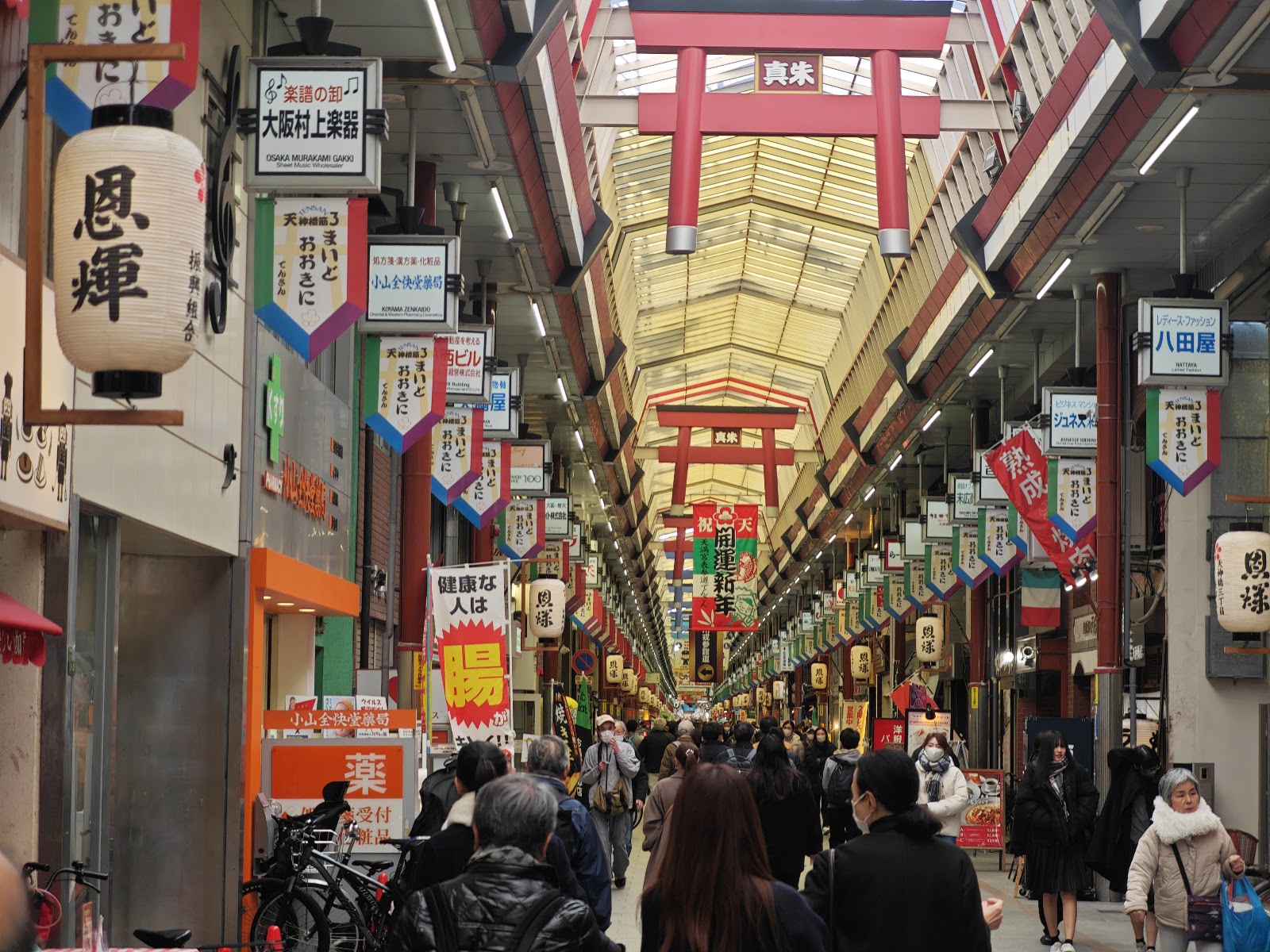
The Osaka Museum of Housing and Living — known in Japanese as the Osaka Kurashi no Konjakukan — is one of the city's most delightfully immersive museums, and a favourite for anyone who wants to step physically into the past. Opened in 2001 on the upper floors of the Housing Information Center near the northern end of Tenjinbashisuji, Japan's longest shopping arcade, it is devoted to how Osakans have actually lived, from the Edo period to the 20th century.
The museum's showpiece fills an entire floor: a full-scale, walk-through reconstruction of a townscape from Osaka around the year 1830, in the late Edo period. Visitors stroll along a real dirt street lined with a merchant's shop, a bathhouse, a pharmacy, a bookseller, tenement row houses and a shrine, all built at genuine size with authentic materials. It is not a diorama behind glass but a place you inhabit — you can step inside the buildings, peer into kitchens and living quarters, and sense the scale and texture of a pre-modern Japanese neighbourhood. Overhead, a painted sky runs through a timed lighting cycle that carries the street from dawn through bright midday to dusk and night, accompanied by sound effects including birdsong, temple bells, festival music and even a passing thunderstorm — a small piece of theatre that repeats every few minutes and is worth waiting through in full.
Upper floors trace the modern chapters of the story with detailed scale models and recreated interiors of Osaka homes and streets from the Meiji, Taisho and Showa eras, charting how the city rebuilt and modernised, how department stores and suburban housing changed daily life, and how ordinary rooms were furnished across the decades. Together the floors form a continuous narrative of urban living rather than a collection of isolated objects.
A notable and much-loved feature is the kimono rental: for a small fee visitors can dress in a kimono and wander the Edo street in period costume, which turns the reconstruction into an unforgettable photo experience and makes the museum especially popular with families and international visitors. English audio guides and panels help explain what you are seeing, and volunteer guides are often present.
The visiting experience is engaging, hands-on and accessible, with lifts serving all floors and a well-stocked shop of traditional crafts and souvenirs. Allow around seventy-five minutes, more if you rent a kimono or wait out several lighting cycles. Because everything is indoors and climate-controlled, it is an ideal choice on a hot, wet or cold day.
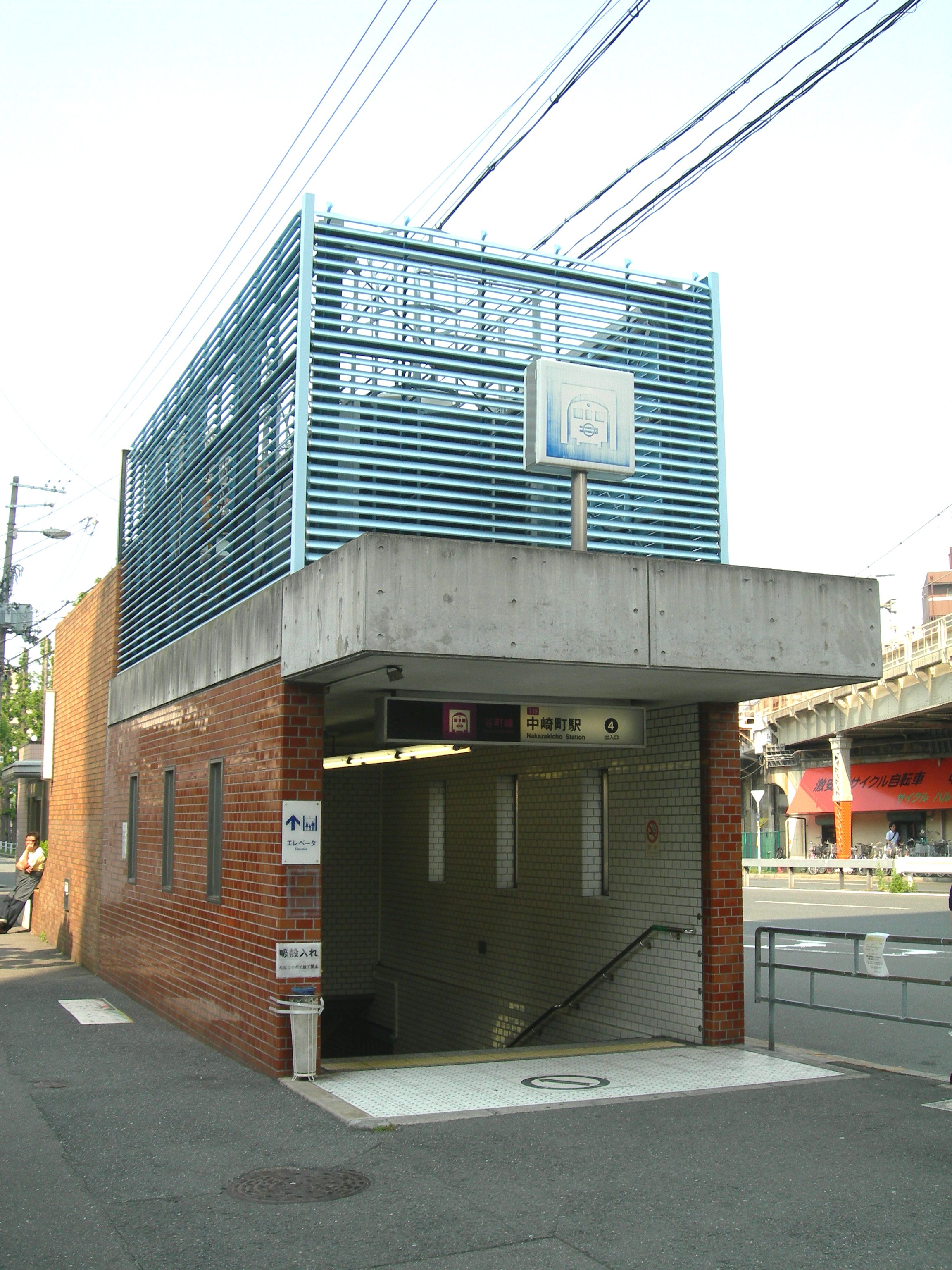
Getting there is easy: the museum is about a three-minute walk from Tenjinbashisuji 6-chome Station on the Tanimachi and Sakaisuji subway lines and the Hankyu Senri Line, using exit 3 and the building's dedicated lifts to the 8th floor entrance. Positioned at the top of the vast Tenjinbashisuji arcade, it pairs perfectly with a stroll down one of Osaka's most authentic shopping streets.
A local's tip
The full-scale Edo streetscape runs through a timed lighting cycle from dawn to night complete with sound effects — linger about ten minutes to catch dusk, when lanterns glow and a thunderstorm rolls through.
Best time to visit
Rent a kimono on site and visit in the artificial 'evening' lighting cycle for atmospheric photos
Getting there
About a three-minute walk from Tenjinbashisuji 6-chome Station (exit 3) on the Tanimachi and Sakaisuji subway lines and the Hankyu Senri Line; the museum is on the 8th to 10th floors of the Housing Information Center building.
Good to know
- Shop
- Wi-Fi
- English
- Restrooms
- Kimono rental
Plan the whole trip offline
Osaka Museum of Housing and Living is one of many places in the Real Japan app — with turn-by-turn directions, nearby spots and full offline maps you can use with no signal.