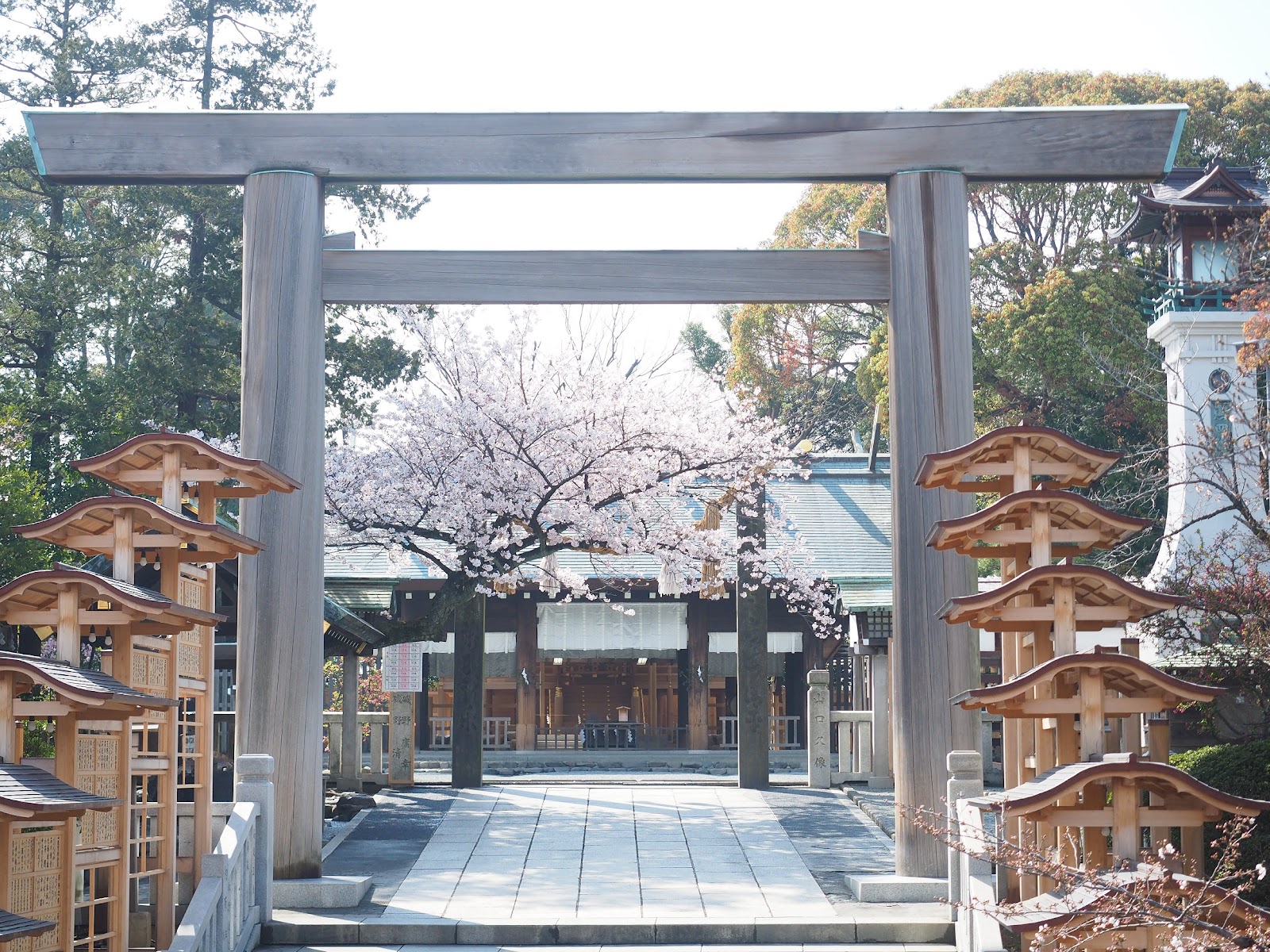
Yokohama's principal Shinto shrine, dedicated to the sun goddess Amaterasu and often called the 'Ise of Kanto'.
Iseyama Kōtai-jingū (伊勢山皇大神宮) is Yokohama's foremost Shinto shrine and the spiritual guardian of the city. Enshrining Amaterasu-Ōmikami, the sun goddess at the heart of Japanese Shinto, it is often nicknamed the 'Oise-san of the Kantō region' — a local counterpart to the Grand Shrine of Ise. Perched on a wooded hill above the Sakuragichō district, it offers a pocket of calm and ceremony a short walk from the bustle of the harbour.
The shrine is a genuinely modern foundation, established in 1870 in the first years of the Meiji era. As Yokohama transformed almost overnight from a fishing village into Japan's great treaty port and gateway to the West, the new Meiji government wanted a dignified centre of native worship to anchor the rapidly internationalising city. A branch of the sun goddess's spirit was formally installed here, and in 1876 the shrine was granted the right to incorporate 'Kōtai-jingū' into its name — the same honorific used at Ise itself — because Amaterasu was its sole enshrined deity. That pedigree gives a young shrine unusual rank.
Architecturally, Iseyama follows the pure, austere lines of shinmei-zukuri, the ancient style associated with Ise: unpainted cypress, thatched-look roofing, and crossed chigi finials against the sky, all deliberately understated. Passing beneath the great white torii and climbing the stone steps, you emerge onto a broad, gravelled precinct shaded by tall trees, with the honden (main sanctuary) at its heart. The simplicity is the point — this is architecture meant to disappear into nature and let reverence speak.
The shrine comes most alive at hatsumōde, the first shrine visit of the New Year, when hundreds of thousands of Yokohama residents climb the hill in the first days of January to pray for good fortune, buy fresh omamori charms, and burn the previous year's talismans. Throughout the year it hosts weddings, blessings for newborns, and seasonal festivals, and its shrine office does a steady trade in beautifully designed amulets and goshuin seal stamps prized by collectors.
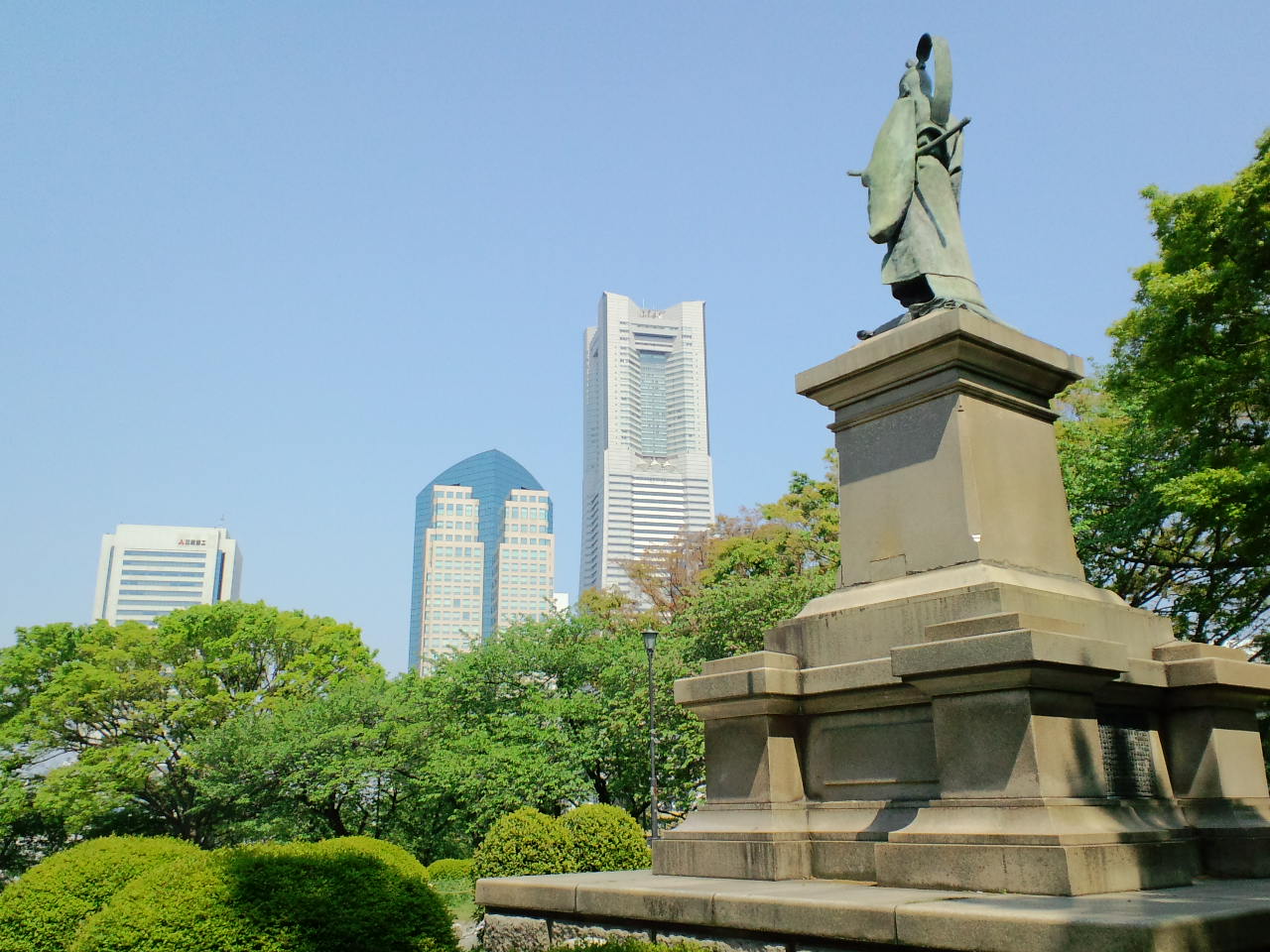
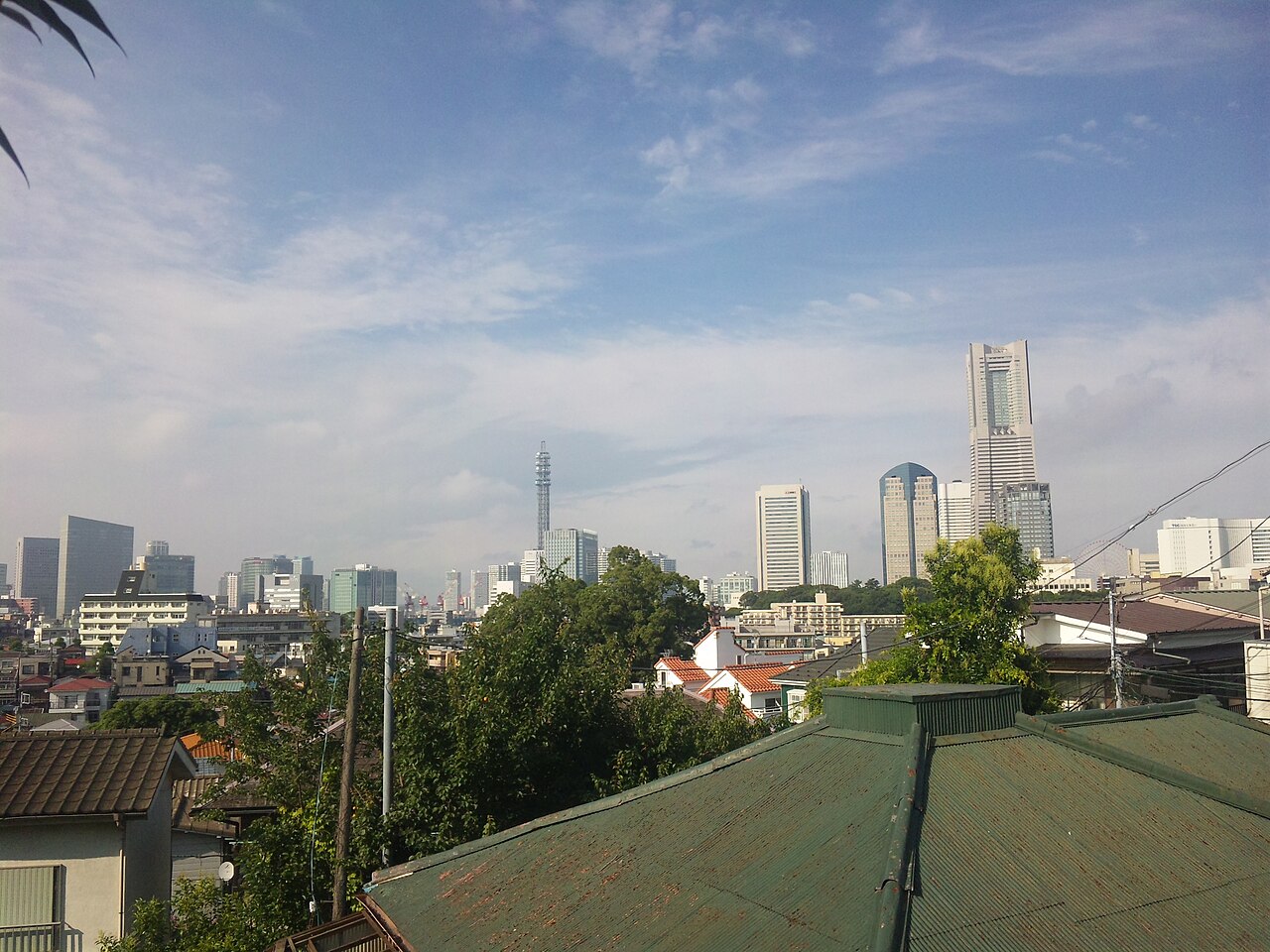
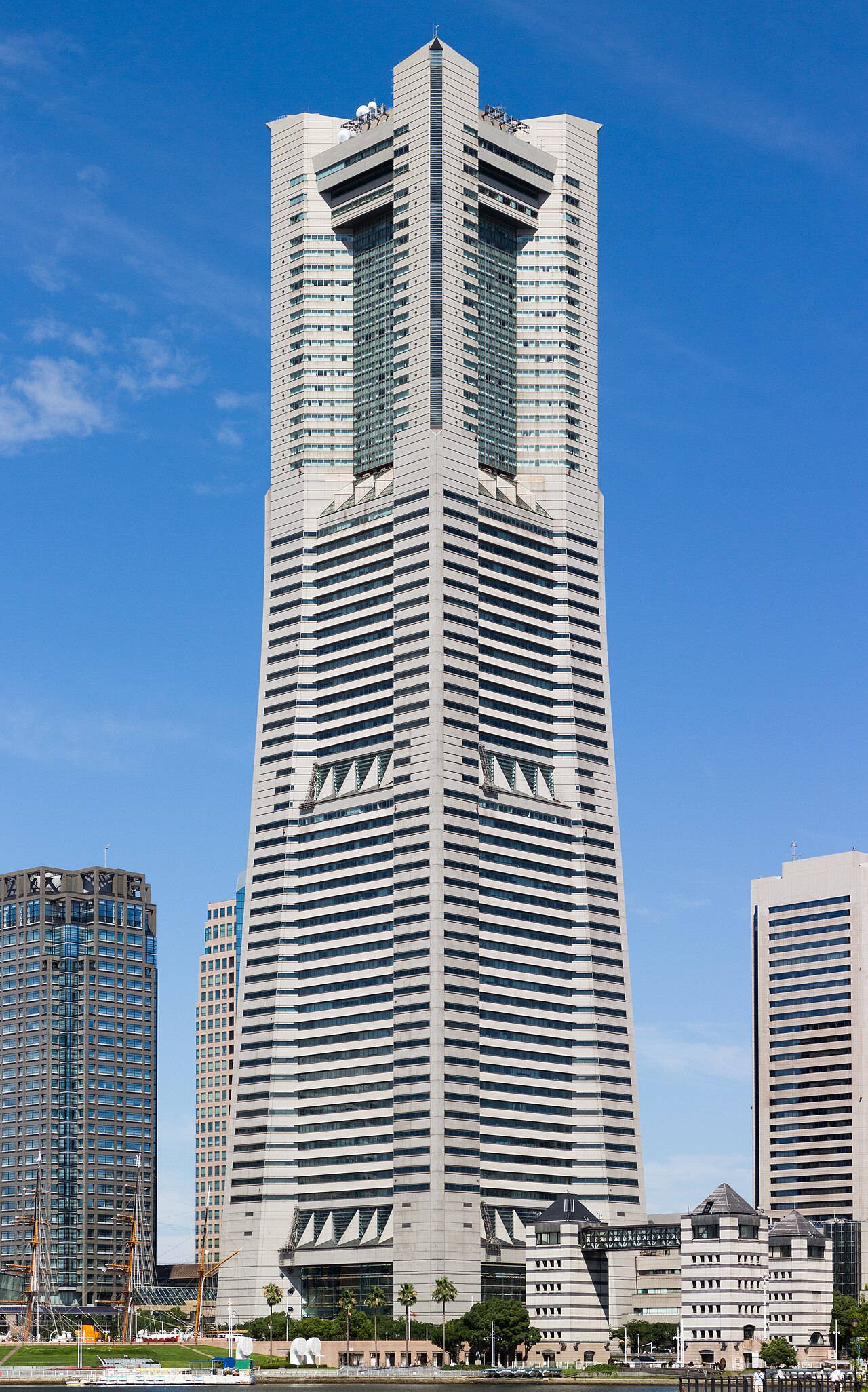
Part of the shrine's quiet charm is its setting. From the elevated grounds you catch glimpses of the Minato Mirai skyline — the sail-shaped InterContinental hotel, the Landmark Tower, the Ferris wheel — framed between torii and trees. At dusk, with the modern towers glowing behind the ancient gate, the contrast captures Yokohama's whole character in a single view.
Getting there is easy: a ten-minute uphill walk from Sakuragichō Station, served by the JR Negishi Line (Japan Rail Pass covered) and the Blue Line subway, or a slightly longer stroll from the Minatomirai Line. Allow around forty minutes to climb the steps, walk the precinct, offer a prayer at the honden, and pause on the terrace. It is not a grand sightseeing set-piece but a living neighbourhood shrine of real rank — the sacred heart of a very modern city.
A local's tip
Come at dusk — from the shrine's hilltop terrace you can catch the Minato Mirai skyline lighting up behind the torii, a striking blend of Shinto tradition and modern Yokohama that most guidebooks miss.
Best time to visit
New Year, or early morning
Getting there
A 10-minute uphill walk from Sakuragichō Station (JR Negishi Line / Blue Line subway); climb the hill behind Miyazaki-cho toward the large torii gate.
Good to know
- Restrooms
- Wedding hall
- Omamori charms
Plan the whole trip offline
Iseyama Kōtai-jingū is one of many places in the Real Japan app — with turn-by-turn directions, nearby spots and full offline maps you can use with no signal.