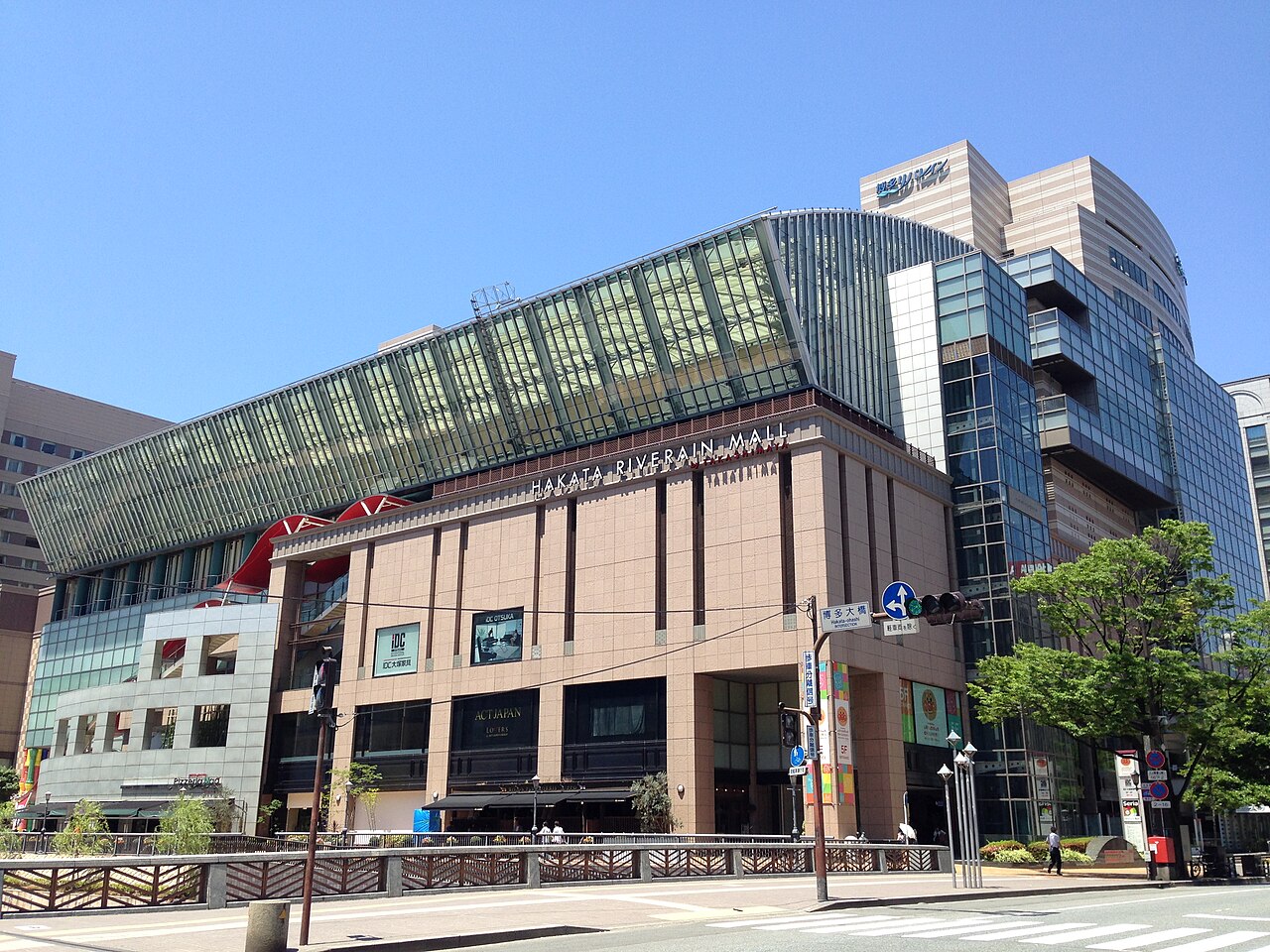
The only museum in the world devoted to modern and contemporary art from across Asia, high above the Hakata riverfront.
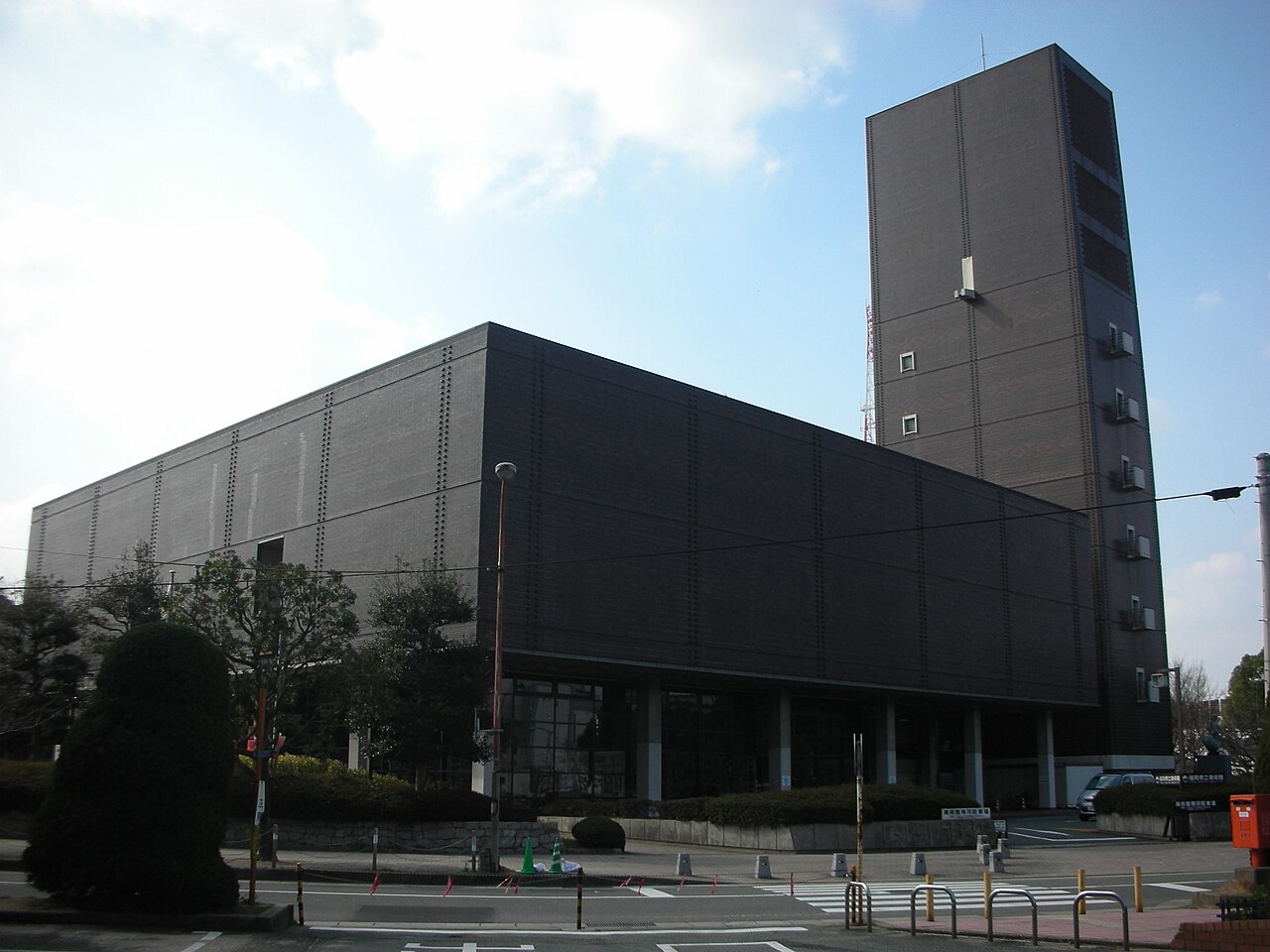
The Fukuoka Asian Art Museum, opened in 1999, holds a genuinely unique claim: it is the only museum in the world dedicated specifically to the modern and contemporary art of Asia. While countless institutions collect Asian antiquities, this one focuses on the paintings, prints, sculpture and installations created across the continent from the nineteenth century to today, filling a gap that larger museums had long overlooked.
That mission grew naturally out of Fukuoka's identity as Japan's closest major city to the Asian mainland. Building on a series of Asian art exhibitions the city had run since the 1970s, the museum assembled a collection now numbering several thousand works from more than twenty countries and regions, spanning India and Pakistan through Southeast Asia to China, Korea and beyond. The result is a refreshing, often surprising survey of artists rarely seen in Western or even other Japanese museums.
The permanent Asia Gallery on the seventh floor is the heart of the museum, rotating selections from the collection so that repeat visits reveal new pieces. You might encounter bold Indonesian social-realist canvases, playful Indian folk-modern paintings, politically charged works from the Philippines, or contemporary Chinese installations, all clearly labelled in Japanese and English with helpful context about each country's art scene. The museum is also known for its artist-in-residence and exchange programmes, so living artists frequently create works on site, giving the galleries an energetic, current feel rather than a static historical one.
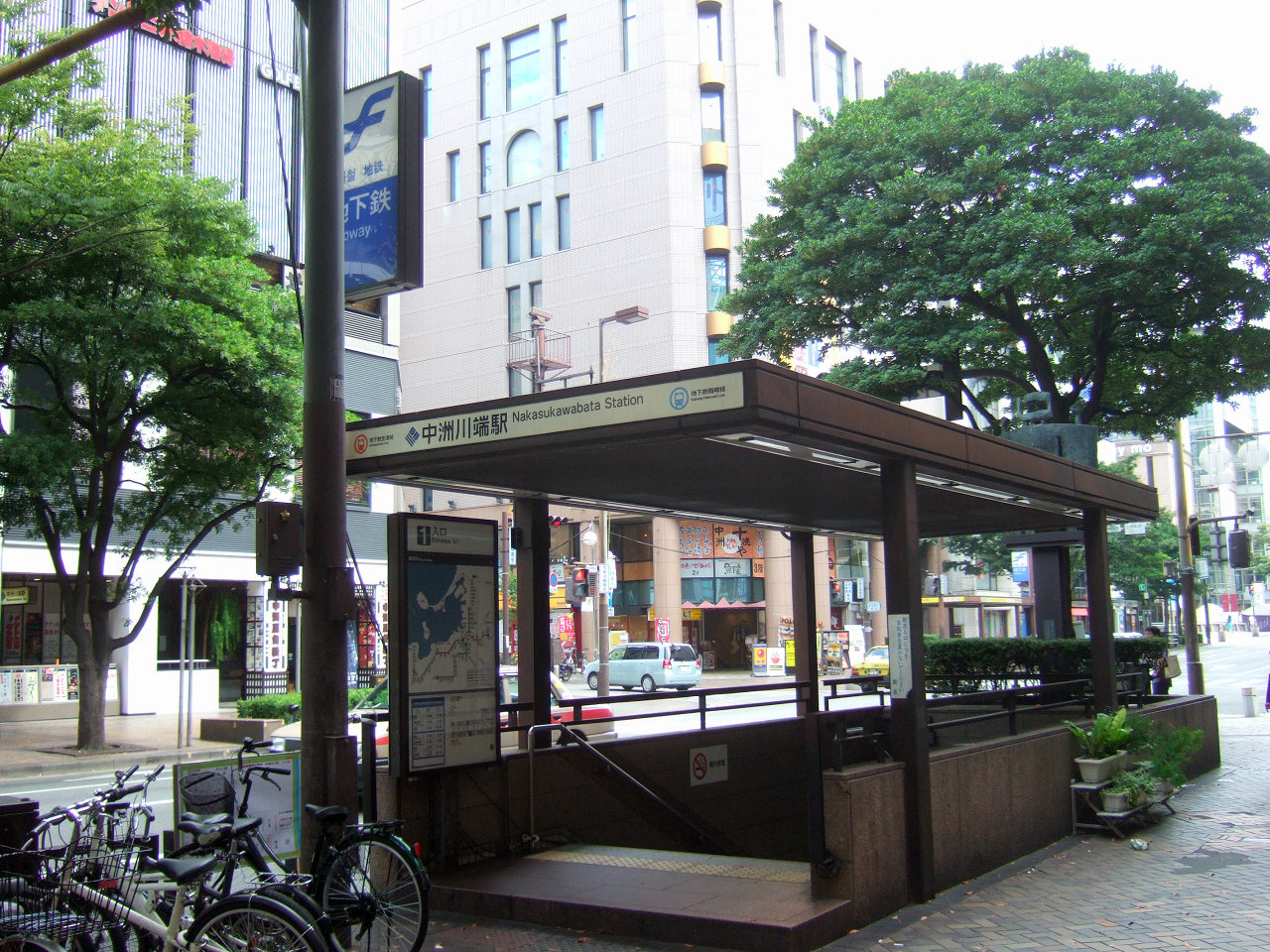
Practically, the museum could hardly be easier to reach. It occupies the seventh and eighth floors of the Hakata Riverain building, a riverside complex sitting directly above Nakasu-Kawabata subway station in the heart of the city. Exit 6 leads straight into the building, so you can arrive without stepping outside, a real bonus on a rainy or blistering summer day. Lifts serve every floor, making it fully wheelchair accessible, and there is a cafe and shop.
Admission to the permanent collection is inexpensive, with temporary exhibitions on the eighth floor charging separately. Most visitors spend about an hour to ninety minutes, and the museum's central location makes it simple to fold into a broader Hakata outing. Right below and beside it are the Kawabata shopping arcade, Fukuoka's oldest covered shopping street, the Kushida Shrine, and the Naka River, along whose banks the famous Nakasu yatai food stalls set up at dusk. A late-afternoon visit followed by dinner at a riverside stall makes for a classic Fukuoka evening.
The combination of a one-of-a-kind collection, an easy all-weather location and a genuinely reasonable ticket price makes the Asian Art Museum one of the most rewarding cultural stops in the city, especially for travellers curious about the wider region they are passing through. Because it stays open into the early evening on many days, it also works well as a cultured pause between afternoon shopping and a night out in nearby Nakasu.
A local's tip
The seventh-floor Asia Gallery is where the permanent collection lives — the eighth floor holds temporary shows, so buy the combined view if a special exhibition looks good, otherwise the modestly priced collection alone is worth it.
Best time to visit
Rainy days and afternoons; late-night hours on some days
Getting there
Ride the subway to Nakasu-Kawabata Station and take exit 6, which connects directly into the Hakata Riverain complex; the museum occupies the seventh and eighth floors. It is a short riverside walk from the Kawabata shopping arcade and the Nakasu yatai stalls.
Good to know
- Cafe
- Wi-Fi
- Restrooms
- Wheelchair
- English signage
Plan the whole trip offline
Fukuoka Asian Art Museum is one of many places in the Real Japan app — with turn-by-turn directions, nearby spots and full offline maps you can use with no signal.